Can Creatine Improve Mental Health? Nootropic Effects, Evidence-Based Benefits, Side Effects, and Dosage
Discover whether creatine can support mental health and cognitive performance. Explore the latest evidence on its nootropic benefits, recommended dosage, potential side effects, and who may benefit most.
Introduction
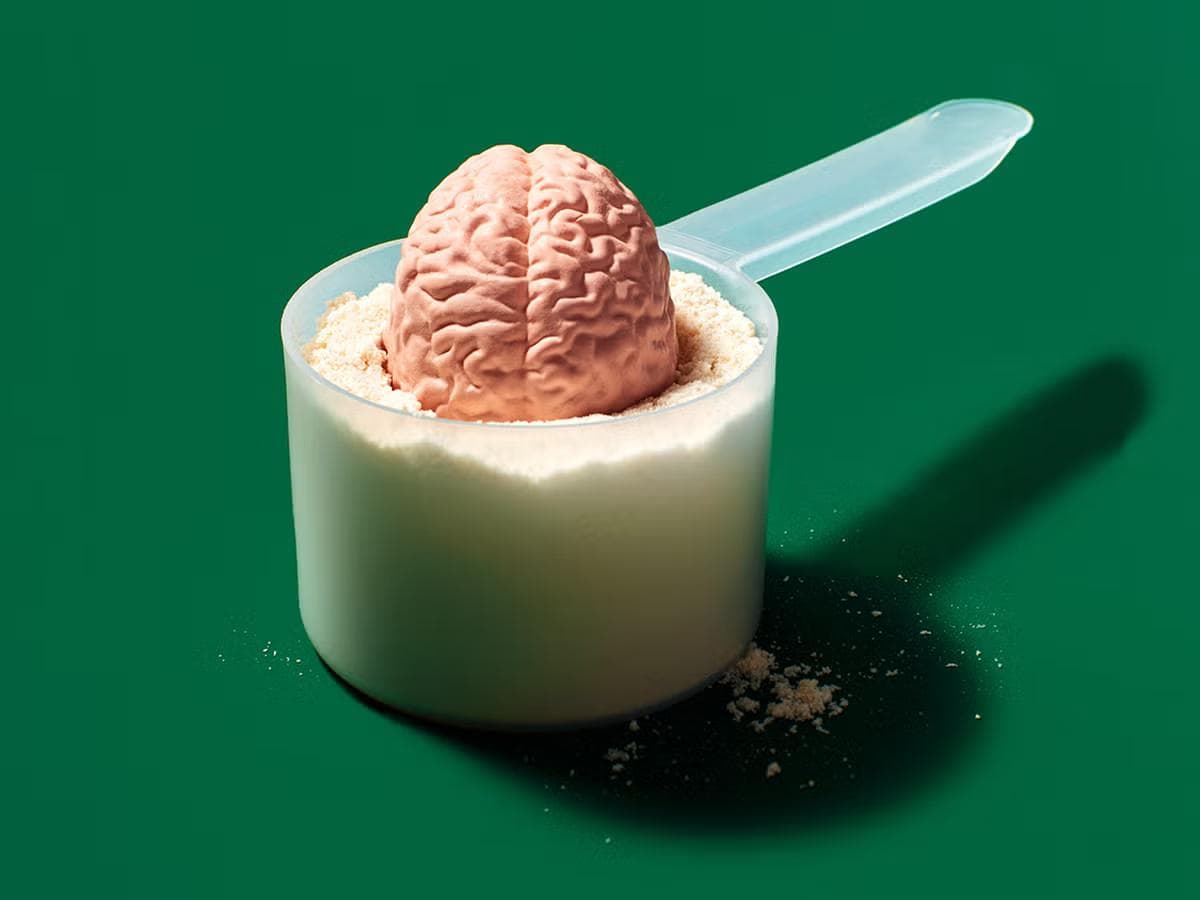
For decades, creatine has been known as one of the most effective supplements for increasing strength, muscle growth, and athletic performance. It's one of the most extensively researched supplements in sports nutrition, with hundreds of clinical studies demonstrating its ability to improve high-intensity exercise performance and increase lean muscle mass when combined with resistance training.[1][2][3] However, researchers are now investigating a much broader question: Can creatine improve brain function and mental health? The answer appears to be more complex—and more promising—than many people realize. Unlike many popular "brain supplements" that rely on weak evidence or marketing claims, creatine has a biologically plausible mechanism for supporting the brain. The brain consumes roughly 20% of the body's energy despite representing only about 2% of total body weight, meaning it has enormous energy demands every second of the day.[4][5] Every thought, memory, decision, and emotion depends on the rapid production of ATP (adenosine triphosphate), the body's primary energy currency. When energy production becomes impaired—whether due to sleep deprivation, depression, aging, neurological disease, or prolonged mental effort—cognitive performance often declines.[4][5] Creatine plays a central role in regenerating ATP, allowing brain cells to rapidly restore their energy supply during periods of increased demand.[4][5][6] This has led scientists to investigate whether supplementing creatine could help support:
- Depression
- Memory
- Attention
- Mental fatigue
- Cognitive performance
- Sleep deprivation
- Brain recovery after injury
- Healthy aging The research is still evolving, and creatine should not be viewed as a replacement for evidence-based mental health treatment. However, an increasing number of systematic reviews, randomized controlled trials, and neuroscience studies suggest that creatine may offer meaningful cognitive and mental health benefits in specific populations.[7][8][9] In this comprehensive guide, we'll examine exactly what creatine is, how it works in the brain, what the latest research says about its effects on depression and cognition, who may benefit the most, recommended dosages, potential side effects, and the important limitations of the current evidence.
What Is Creatine?
Creatine is a naturally occurring compound synthesized from three amino acids: arginine, glycine, and methionine. Although often associated with bodybuilding, creatine is present in every healthy human body and is essential for cellular energy production.[6][2] Approximately 95% of the body's creatine is stored in skeletal muscle, where it serves as a rapid energy reserve during short bursts of intense activity. The remaining 5% is distributed throughout organs with high energy demands, including the brain, heart, testes, and other tissues.[2][10] Humans obtain creatine from two primary sources: Endogenous production in the liver, kidneys, and, to a lesser extent, the brain. Dietary intake, primarily from meat and fish or through creatine monohydrate supplements.[6][11] Inside cells, creatine is converted into phosphocreatine (PCr). Phosphocreatine acts like an emergency battery. Whenever ATP is rapidly depleted, phosphocreatine donates a phosphate group to ADP (adenosine diphosphate), allowing ATP to be regenerated almost instantly. This reaction is catalyzed by the enzyme creatine kinase and is essential in tissues that experience rapid fluctuations in energy demand.[4][5] Most people associate this process with explosive exercise such as sprinting or heavy lifting. But the exact same energy system is active inside the brain.
Why the Brain Needs Creatine
The human brain is one of the most metabolically active organs in the body. Despite accounting for only around 2% of body weight, it consumes roughly 20% of the body's resting energy expenditure.[5] Neurons constantly require ATP for essential functions including:
- Maintaining electrical gradients
- Sending nerve impulses
- Releasing neurotransmitters
- Synaptic plasticity
- Memory formation
- Learning
- Decision making Unlike muscles, neurons have relatively limited energy reserves. This means ATP must be regenerated continuously and efficiently to maintain normal brain function.[4][5] Creatine serves as one of the brain's fastest energy buffering systems. The phosphocreatine-creatine kinase pathway rapidly regenerates ATP whenever neurons experience increased energy demands. Researchers believe this system is particularly important during periods of metabolic stress, including:
- Sleep deprivation
- Chronic stress
- Depression
- Aging
- Traumatic brain injury
- Neurological disease
- Intensive cognitive work Without sufficient ATP availability, neuronal communication becomes less efficient, potentially contributing to reduced concentration, slower thinking, mental fatigue, and impaired cognitive performance.[4][5]
How Creatine Works in the Brain
Creatine's role extends well beyond energy production. Research suggests it may influence several biological processes involved in brain health.
1. Rapid ATP regeneration
The primary function of creatine is maintaining ATP availability. During periods of high mental demand, ATP is consumed rapidly. Phosphocreatine replenishes ATP much faster than glycolysis or oxidative phosphorylation, helping neurons maintain normal function even under stress.[4][5] This may explain why creatine appears particularly helpful during situations where the brain's energy demands exceed its normal capacity, such as prolonged wakefulness or intense cognitive tasks.
2. Improved mitochondrial function
Mitochondria are often described as the cell's power plants. Growing evidence suggests that creatine helps improve mitochondrial efficiency by supporting energy transport within cells and stabilizing mitochondrial function.[4] Because mitochondrial dysfunction has been implicated in depression, neurodegenerative diseases, and age-related cognitive decline, improving mitochondrial efficiency is one proposed mechanism through which creatine may benefit brain health.[4][7]
3. Neuroprotection
Several laboratory studies suggest creatine may help protect neurons against metabolic stress. Researchers have proposed that creatine may:
- Reduce oxidative stress
- Stabilize cell membranes
- Buffer calcium overload
- Protect neurons during energy crises Although much of this evidence comes from preclinical models, these neuroprotective properties have generated interest in creatine as a potential adjunct therapy for neurological disorders.[4][12]
4. Brain Creatine Stores Are Harder to Increase
One important difference between muscles and the brain is that increasing brain creatine appears more difficult. Although creatine can cross the blood-brain barrier through specialized transport proteins, uptake into brain tissue is considerably more limited than uptake into skeletal muscle.[5] Researchers believe this limited transport helps explain why: Brain benefits generally take longer to appear Higher doses may sometimes be required Some studies find stronger cognitive effects than others Unlike muscle tissue, where creatine stores can increase substantially after a short loading phase, brain creatine concentrations rise more slowly and to a lesser extent.[5] This helps explain why researchers continue investigating optimal dosing strategies for cognitive and mental health applications.
Can Creatine Improve Depression?
Depression is one of the most studied mental health conditions in creatine research. While creatine is not an antidepressant and should never replace professional treatment, growing evidence suggests it may help improve depressive symptoms in some individuals, particularly when used alongside conventional therapies. Researchers became interested in creatine after brain imaging studies repeatedly found abnormalities in energy metabolism among people with major depressive disorder. Several investigations have reported lower creatine concentrations in parts of the brain involved in mood regulation, particularly the frontal cortex and white matter, as well as reduced creatine kinase activity in people with severe depression.[7] These findings support the theory that impaired cellular energy production may contribute to depression in at least a subset of patients.
The Energy Deficit Theory of Depression
Depression is typically discussed in terms of neurotransmitters like serotonin and dopamine, but modern neuroscience increasingly recognizes that energy metabolism is equally important. Neurons are among the most energy-demanding cells in the human body. Every electrical signal, neurotransmitter release, and communication between brain cells requires ATP. If ATP production becomes impaired, brain function may suffer long before neurons are permanently damaged. Creatine helps regenerate ATP more rapidly than other cellular energy systems, making it an attractive candidate for supporting brain function during periods of metabolic stress.[4][5] Researchers have proposed several mechanisms by which creatine may influence mood: Increasing brain phosphocreatine stores Improving mitochondrial energy production Supporting neurotransmitter function Increasing brain-derived neurotrophic factor (BDNF), which promotes neuronal health Enhancing ATP availability for neurons involved in emotional regulation[12] Although these mechanisms remain under investigation, they provide a biologically plausible explanation for why creatine supplementation has shown promise in several clinical studies.
What Does the Clinical Research Show?
The strongest evidence currently comes from systematic reviews rather than individual studies. A 2025 systematic review and meta-analysis examined 11 randomized controlled trials involving 1,093 participants comparing creatine supplementation with placebo in people with and without depression.[8] The researchers found that creatine supplementation produced a small-to-moderate reduction in depressive symptoms, equivalent to approximately 2.2 points on the Hamilton Depression Rating Scale.[8] However, there's an important caveat. The improvement did not reach the commonly accepted threshold for clinical significance. In addition, the quality of evidence was rated as very low, and there was considerable variation between studies.[8] In practical terms, this means: Creatine may help some people. The average benefit across studies is relatively modest. Better-designed clinical trials are still needed before firm conclusions can be made. Rather than viewing creatine as a treatment for depression, it is more accurate to describe it as a potentially useful adjunct therapy that may provide additional benefits alongside established treatments.
Creatine as an Add-On to Antidepressants
Some of the most encouraging findings have come from studies evaluating creatine in combination with antidepressant medication. One notable randomized trial found that women with major depressive disorder who added 5 grams of creatine monohydrate daily to escitalopram experienced faster improvement and higher remission rates than those receiving antidepressant treatment alone.[12] More recently, a 2025 pilot randomized controlled trial investigating creatine as an adjunct to cognitive behavioral therapy also reported encouraging results, suggesting that creatine may enhance treatment response in people with depression.[13] These findings are still preliminary, but they suggest creatine may complement existing treatments rather than replace them.
Why Some Studies Show Stronger Benefits Than Others
One reason creatine research appears inconsistent is that not everyone starts with the same brain creatine levels. Researchers believe certain groups may respond better than others, including: Vegetarians and vegans, who consume little dietary creatine Women, who generally have lower baseline creatine stores Older adults Individuals experiencing significant metabolic stress People with treatment-resistant depression Differences in dosage, treatment duration, age, sex, baseline diet, and severity of depression likely contribute to the mixed findings across studies.
Creatine as a Nootropic
A nootropic is generally defined as a substance that supports cognitive performance, including memory, attention, learning, or mental clarity. Unlike stimulant-based nootropics, creatine doesn't directly increase alertness or artificially stimulate the nervous system. Instead, it works by improving the brain's ability to produce energy. This distinction is important. Creatine is unlikely to make someone feel instantly more focused in the same way caffeine does. Rather, its cognitive benefits appear to emerge when the brain is under increased metabolic demand. This explains why many studies report little change in well-rested young adults but larger improvements during sleep deprivation, aging, neurological illness, or prolonged cognitive work.[5]
Evidence-Based Cognitive Benefits
1. Memory
Memory is one of the most consistently supported cognitive benefits of creatine supplementation. A 2024 systematic review and meta-analysis evaluated 16 randomized controlled trials involving 492 participants and found that creatine significantly improved memory performance compared with placebo.[14] Across the included studies, creatine supplementation produced: Improved short-term memory Better working memory Faster attention tasks Improved processing speed However, researchers found no consistent improvement in overall executive function or global cognitive performance.[14] The analysis also identified several groups that appeared to benefit the most: Adults aged 18–60 years Women Individuals with medical conditions affecting cognition Interestingly, memory improvements occurred regardless of whether supplementation lasted less than four weeks or longer than four weeks.[14] Researchers rated the certainty of evidence for memory as moderate, making it one of the strongest cognitive outcomes currently supported by creatine research.
2. Mental Fatigue
Anyone who has studied for hours, worked through an exhausting day, or struggled to concentrate after prolonged mental effort has experienced mental fatigue. Unlike physical fatigue, mental fatigue primarily reflects declining efficiency in brain function. Creatine appears particularly effective in this area. In one classic double-blind placebo-controlled trial, participants supplemented with 8 grams of creatine daily for five days before repeatedly performing demanding mathematical calculations.[15] Compared with placebo, creatine users: Reported less mental fatigue Maintained cognitive performance longer Demonstrated improved cerebral oxygen utilization during testing[15] Brain imaging showed that after creatine supplementation, participants required less oxygenated blood flow to perform the same mental tasks, suggesting improved energy efficiency within the brain.[15] This doesn't necessarily mean people become smarter. Rather, the brain may simply perform demanding tasks more efficiently when adequate creatine is available.
3. Cognitive Performance During Sleep Deprivation
Sleep deprivation dramatically increases the brain's energy demands. Even one night of poor sleep can reduce:
- Attention Working memory Reaction time
- Decision making Processing speed Researchers have recently investigated whether creatine can partially offset these declines. A 2024 randomized study found that a single high dose of creatine improved cognitive performance during acute sleep deprivation while simultaneously increasing cerebral phosphocreatine and ATP availability.[16] Participants showed improvements in: Processing speed Working memory Overall cognitive performance Brain imaging also demonstrated measurable metabolic changes, including preservation of brain pH and improved high-energy phosphate metabolism.[16] A follow-up study published in 2026 found that even a lower single dose of 0.2 g/kg body weight reduced sleep deprivation-induced cognitive decline by as much as 12%, although the effect was smaller than with higher doses.[9] These findings suggest creatine may become particularly valuable for individuals who regularly experience disrupted sleep, including healthcare workers, military personnel, shift workers, emergency responders, and new parents. It's important to note that creatine does not replace sleep. Rather, it appears to reduce some of the cognitive consequences associated with temporary sleep loss.
4. General Brain Health
Beyond specific cognitive tests, researchers are increasingly interested in creatine's long-term effects on brain health. A comprehensive 2023 review summarized several promising findings.[12] Current evidence suggests creatine supplementation may: Increase brain creatine stores after long-term supplementation Improve aspects of memory and cognition, particularly in older adults Reduce cognitive decline associated with metabolic stress Improve recovery following traumatic brain injury in children Potentially reduce symptoms of depression and anxiety Improve quality of life in some muscular dystrophies However, evidence remains limited or inconsistent for several neurological disorders. For example, current research has not consistently demonstrated meaningful benefits for conditions such as Parkinson's disease or amyotrophic lateral sclerosis (ALS).[12] Overall, researchers conclude that creatine shows significant promise for supporting brain health but that additional large, well-designed clinical trials are needed before routine clinical recommendations can be made.
ADHD and Creatine: Is There a Connection?
Attention-deficit/hyperactivity disorder (ADHD) affects millions of children and adults worldwide. While stimulant medications remain the first-line treatment, researchers have explored whether altered brain energy metabolism could also contribute to ADHD symptoms. One small magnetic resonance spectroscopy (¹H-MRS) study compared treatment-naïve boys with ADHD to healthy controls and found significantly higher concentrations of striatal creatine, glutamate, and glutamate/glutamine (Glx) in children with ADHD before treatment.[17] Interestingly, after eight weeks of stimulant therapy, only striatal creatine levels significantly decreased alongside clinical improvement.[17] These findings suggest that creatine metabolism may be altered in ADHD, but they do not show that creatine supplementation treats ADHD. In fact, there are currently no high-quality randomized controlled trials demonstrating that taking creatine improves ADHD symptoms in children or adults. Instead, the research indicates that abnormalities in the brain's creatine system may be part of ADHD biology, warranting further investigation. At present: Creatine should not be considered an evidence-based treatment for ADHD. More clinical trials are needed before supplementation can be recommended specifically for ADHD symptom management.
Can Creatine Help Anxiety?
Compared with depression, anxiety has received much less attention in creatine research. However, several observations have sparked scientific interest. Brain imaging studies have found lower creatine concentrations in certain regions of the prefrontal cortex among people with anxiety disorders, including social anxiety disorder.[12] Researchers have also observed that people with higher prefrontal creatine concentrations often report fewer symptoms of depression and anxiety.[12] These findings have led scientists to propose several possible explanations. Creatine may indirectly support mood by: Improving neuronal energy availability Supporting neurotransmitter signaling Increasing brain-derived neurotrophic factor (BDNF) Enhancing ATP release from astrocytes Improving overall brain resilience to metabolic stress[12] However, it's important to distinguish biological plausibility from clinical evidence. At this stage: There is some indirect evidence linking creatine metabolism with anxiety. There are very few randomized controlled trials evaluating creatine specifically for anxiety disorders. Creatine cannot currently be recommended as a treatment for generalized anxiety disorder, panic disorder, or social anxiety. Future research may clarify whether certain subgroups benefit more than others, particularly individuals with both depression and anxiety.
Who May Benefit Most from Creatine?
One of the most interesting findings in the literature is that creatine does not appear to affect everyone equally. The greatest benefits are often seen in individuals whose brains are under increased energetic stress. Current evidence suggests the following groups may experience larger cognitive improvements. Older Adults Aging is associated with gradual declines in mitochondrial function, ATP production, and cognitive performance. Several studies suggest creatine supplementation may improve aspects of memory and cognition in older adults, although improvements are generally modest.[12][14] Older adults may also have lower dietary creatine intake due to reduced meat consumption.
Vegetarians and Vegans Since creatine is found almost exclusively in animal products, vegetarians and vegans typically have lower baseline creatine stores.[11] Research has shown that these individuals often experience larger increases in tissue creatine after supplementation. Earlier studies have also reported improvements in measures of fluid intelligence and memory among vegetarians taking creatine supplements.[18]
Women Several studies suggest women may respond differently to creatine than men. Women generally have lower endogenous creatine stores and may therefore experience greater increases after supplementation. This may partly explain why several depression studies showing positive results were conducted primarily in women.[13][14] Although more research is needed, sex differences are becoming an important area of investigation.
Sleep-Deprived Individuals Perhaps the strongest evidence for cognitive benefits comes from sleep deprivation studies. Whether due to shift work, military operations, medical training, parenting, or occasional all-nighters, creatine consistently appears to reduce some of the cognitive decline associated with insufficient sleep.[9][16] Again, this doesn't replace adequate sleep. Instead, creatine appears to help the brain cope more effectively with temporary energy shortages.
Recommended Creatine Dosage for Brain Health
One of the most common questions is whether brain health requires different dosing than athletic performance. The answer is: possibly. Because the brain absorbs creatine less efficiently than skeletal muscle, researchers suspect that longer supplementation periods—or in some cases higher doses—may be necessary to meaningfully increase brain creatine concentrations.[5] However, there is currently no universally accepted dosing protocol specifically for cognitive benefits.
Standard Daily Dose
For most healthy adults, 5 grams of creatine monohydrate per day is considered the standard evidence-based maintenance dose. This dosage has been used safely in numerous studies and is sufficient to gradually increase creatine stores over time.[18] Many experts believe this is also the most practical dose for supporting potential brain health benefits.
Loading Phase
Athletic protocols often begin with a loading phase consisting of: 20–25 grams daily Divided into four or five doses Continued for 5–7 days This rapidly saturates skeletal muscle creatine stores before transitioning to a maintenance dose of approximately 3–5 grams daily.[18] Whether this strategy is necessary for brain health remains uncertain. Some researchers believe loading may accelerate brain creatine accumulation. Others suggest consistent daily supplementation is sufficient, albeit slower.
Higher Doses in Research
Some depression and neuroimaging studies have used higher dosages. For example: 20 grams daily for four weeks increased total brain creatine by nearly 9% in healthy adults.[12] 5 grams daily for eight weeks enhanced antidepressant response in women with major depressive disorder.[12] These studies highlight an important point: Increasing brain creatine appears considerably more difficult than increasing muscle creatine. Consequently, treatment duration may be just as important as dosage.
Do Women Need Less?
Emerging evidence suggests women may tolerate lower doses well. Some experts suggest 3–5 grams daily may provide sufficient supplementation for many women while minimizing gastrointestinal discomfort and water retention, although more research is needed before sex-specific dosing recommendations can be made.[13][19]
When Should You Take Creatine?
Unlike caffeine, creatine does not produce immediate cognitive effects. Its benefits result from gradually increasing creatine stores inside tissues. Because of this, timing is far less important than consistency. Most studies simply instruct participants to take creatine once daily. Many people prefer taking it: With breakfast After exercise Alongside a meal containing carbohydrates and protein The most important factor is taking it consistently every day.
How Long Does It Take to Work?
The timeline depends on whether a loading phase is used. Without loading: Brain and muscle creatine stores gradually increase over several weeks. With loading: Muscle stores become saturated within approximately one week. Brain stores may still require considerably longer due to slower transport across the blood-brain barrier.[5] For cognitive or mood-related outcomes, several studies have lasted between 4 and 8 weeks, suggesting patience is important when evaluating results.[12]
Potential Side Effects
Despite decades of research, creatine remains one of the safest dietary supplements available. Many common concerns originated from anecdotal reports rather than controlled clinical trials. Large reviews have found no convincing evidence that recommended creatine doses cause: Kidney damage in healthy individuals Liver damage Kidney stones Dehydration Muscle cramps Rhabdomyolysis Hair loss[20]
Water Retention
One of the most common effects is increased intracellular water retention. This is a normal consequence of creatine storage within muscle and is not the same as harmful fluid retention. Some individuals notice: Mild weight gain Temporary bloating Fuller-looking muscles These effects are generally more noticeable during loading phases.
Digestive Discomfort
Some people experience: Upset stomach Nausea Loose stools These symptoms usually improve by: Splitting larger doses Taking creatine with meals Avoiding unnecessarily high doses For most people taking 3–5 grams daily, digestive issues are minimal.
Who Should Avoid Creatine?
Although creatine has an excellent safety profile, supplementation is not appropriate for everyone. People should consult a healthcare professional before taking creatine if they have: Chronic kidney disease Significant liver disease Conditions affecting kidney function Pregnancy or breastfeeding Medications that may impair kidney function[21] Healthy adults without these conditions generally tolerate creatine well when used at recommended doses.
Practical Takeaways
Creatine has long been recognized as one of the most effective supplements for improving athletic performance, but the evidence supporting its role in brain health has grown considerably over the past decade. Unlike many supplements marketed as "brain boosters," creatine has a well-established biological mechanism. By helping regenerate ATP—the brain's primary energy source—it may improve cognitive performance when energy demands are elevated, such as during sleep deprivation, aging, depression, or prolonged mental effort.[4][5] That doesn't mean creatine is a miracle supplement. The research is strongest in certain areas and much weaker in others.
What the Evidence Supports
Current research suggests creatine may: Improve memory, particularly working memory and short-term memory.[14] Reduce mental fatigue during prolonged cognitive tasks.[15] Help preserve cognitive performance during periods of sleep deprivation.[9][16] Increase brain creatine stores with long-term supplementation.[12] Provide modest benefits as an adjunct treatment for depression, particularly alongside conventional therapies.[8][12][13] Support aspects of brain recovery following traumatic brain injury in children, although further research is needed.[12]
Where the Evidence Is Still Limited
The current evidence does not support creatine as a proven treatment for: ADHD[17] Generalized anxiety disorder Parkinson's disease Alzheimer's disease ALS Other major neurological disorders[12] These areas remain active fields of research, but the available evidence is either inconsistent or insufficient to recommend creatine as a treatment.
Final Thoughts
Creatine has earned its reputation as one of the most effective sports supplements ever studied, but its potential extends far beyond the gym. As researchers continue exploring the relationship between brain energy metabolism and mental health, creatine has emerged as one of the most promising nutritional interventions for supporting cognitive function. The evidence is strongest for improving memory, reducing mental fatigue, and helping preserve cognitive performance during periods of metabolic stress such as sleep deprivation. Early findings also suggest creatine may enhance treatment outcomes for some individuals with depression, particularly when used alongside established therapies rather than as a standalone intervention.[8][12][14][16] At the same time, it's important to keep expectations realistic. Creatine is not a cure for depression, anxiety, ADHD, or neurodegenerative disease. Many of the most encouraging findings come from relatively small studies, and larger randomized controlled trials are still needed to determine which populations benefit most, what doses are optimal, and how long supplementation should continue. For healthy adults looking to support both physical and cognitive performance, however, creatine monohydrate stands out as one of the few supplements backed by decades of safety research and an increasingly impressive body of evidence supporting its effects on brain function. As our understanding of brain energy metabolism continues to evolve, creatine may prove to be just as valuable for the mind as it has long been for muscle.
Frequently asked questions
- Can creatine improve mental health?
Creatine may help support mental health in certain people, but it should not be considered a treatment for mental illness. Research suggests creatine may improve symptoms of depression when used alongside conventional treatments, particularly in women and people with major depressive disorder. A 2025 systematic review and meta-analysis found creatine produced small-to-moderate improvements in depressive symptoms, although the overall quality of evidence was rated as very low and larger clinical trials are still needed.[8]
Researchers believe creatine works by improving the brain's energy metabolism. Because neurons require large amounts of ATP to function properly, increasing brain creatine stores may help support normal brain activity during periods of metabolic stress, such as depression, chronic stress, or sleep deprivation.[4][5]
- Is creatine a nootropic?
Creatine is increasingly considered a nootropic because it has been shown to support certain aspects of cognitive performance. Unlike stimulant-based nootropics that increase alertness, creatine works by helping brain cells regenerate ATP, the body's primary energy molecule.[4][5]
Research suggests creatine may improve memory, reduce mental fatigue, and help maintain cognitive performance during sleep deprivation. However, its benefits are generally most noticeable when the brain is under increased energy demand rather than in healthy, well-rested individuals.[9][14][15]
- What are the cognitive benefits of creatine?
Current research suggests creatine supplementation may provide several cognitive benefits, including:
- Improved short-term and working memory
- Reduced mental fatigue
- Faster processing speed
- Better attention in some populations
- Improved cognitive performance during sleep deprivation
- Support for healthy brain aging
A 2024 meta-analysis of 16 randomized controlled trials found significant improvements in memory, attention, and processing speed following creatine supplementation, although improvements in executive function and overall cognition were less consistent.[14]
- Does creatine help with depression?
Possibly. Creatine appears to be a promising adjunctive therapy for depression, but it is not a replacement for antidepressants or psychological treatment.
A 2025 systematic review involving more than 1,000 participants found creatine supplementation produced modest reductions in depressive symptoms. However, the average improvement did not reach the threshold considered clinically meaningful, and the certainty of evidence remains low.[8]
Several smaller studies have reported faster antidepressant responses when creatine was combined with standard treatments such as selective serotonin reuptake inhibitors (SSRIs) or cognitive behavioural therapy.[12][13]
- Can creatine reduce anxiety?
There is currently insufficient evidence to recommend creatine as a treatment for anxiety disorders.
Some brain imaging studies have found lower creatine concentrations in regions involved in emotional regulation among people with anxiety disorders, suggesting altered brain energy metabolism may play a role.[12]
However, very few clinical trials have investigated whether creatine supplementation reduces anxiety symptoms directly. More research is needed before any firm conclusions can be made.
- How does creatine affect the brain?
Creatine helps the brain regenerate ATP, the molecule responsible for supplying energy to cells. Since the brain consumes around 20% of the body's energy despite making up only about 2% of body weight, maintaining adequate ATP production is essential for memory, learning, attention, and normal neuronal function.[4][5]
In addition to supporting energy production, creatine may improve mitochondrial efficiency, reduce oxidative stress, and help protect neurons during periods of metabolic stress. These mechanisms are thought to explain its potential cognitive and mental health benefits.[4][11]
- Who may benefit most from creatine for brain health?
Research suggests creatine may provide greater cognitive benefits for people with lower baseline creatine stores or higher brain energy demands.
Groups that may benefit the most include:
- Vegetarians and vegans
- Older adults
- Women
- People experiencing sleep deprivation
- Individuals with depression
- Those recovering from traumatic brain injury
Healthy young adults who already consume adequate dietary creatine may experience smaller cognitive improvements than these populations.[12][14]
- What is the recommended dosage of creatine for cognitive benefits?
Most research on brain health uses 3–5 grams of creatine monohydrate per day, although some studies investigating depression or brain metabolism have used higher doses under medical supervision.[12][18]
A traditional loading phase of 20–25 grams daily for 5–7 days may increase muscle creatine stores more quickly, but it is not considered necessary for most people seeking cognitive benefits.[18]
Consistency appears to be more important than timing.
- How long does it take for creatine to affect brain function?
Unlike caffeine, creatine does not produce immediate effects.
Most studies investigating cognition or mood have supplemented participants for 4–8 weeks, allowing sufficient time for brain creatine stores to gradually increase.[12]
Some recent studies have demonstrated improvements in cognitive performance after a single high dose during acute sleep deprivation, but these findings relate specifically to sleep loss and should not be interpreted as typical daily effects.[9][16]
- Are there any side effects of creatine?
Creatine is generally well tolerated.
The most commonly reported side effects include:
- Mild water retention
- Temporary weight gain
- Bloating
- Digestive discomfort, particularly when taking large doses
These side effects are usually mild and are more common during loading phases than during standard maintenance dosing.[18][20]
Large reviews have found no convincing evidence that creatine causes kidney damage, liver damage, dehydration, muscle cramps, or hair loss in healthy adults.[3][20]
- Is creatine safe for long-term use?
Yes. Creatine monohydrate is one of the most extensively studied dietary supplements available.
Decades of research have consistently shown that recommended doses are safe for healthy adults, with no evidence of increased kidney or liver damage when used appropriately.[1][3]
People with kidney disease, those who are pregnant or breastfeeding, or anyone taking medications that affect kidney function should consult a healthcare professional before using creatine.[21]
- Should you take creatine every day?
Yes. Daily supplementation is recommended because creatine works by gradually increasing the body's creatine stores.
Missing an occasional dose is unlikely to have a noticeable effect, but consistent daily intake helps maintain elevated creatine levels in both muscle and brain tissue.
For most adults, 3–5 grams of creatine monohydrate daily is sufficient.[18]
- Does creatine work better for vegetarians and vegans?
Potentially.
Because creatine is naturally found in meat and fish, vegetarians and vegans generally have lower baseline creatine stores than omnivores.[6]
Studies suggest they often experience larger increases in tissue creatine after supplementation and may also see greater improvements in memory and certain cognitive tasks compared with people who already consume plenty of dietary creatine.[18]
- Can students use creatine to improve memory and focus?
Creatine may help support memory and concentration, particularly during periods of intense studying, mental fatigue, or sleep deprivation.
Research has found improvements in memory, processing speed, and attention in some studies, although results vary between individuals.[14]
Students should not expect creatine to dramatically increase intelligence or replace healthy habits like adequate sleep, exercise, and balanced nutrition. It is best viewed as a supplement that may help maintain cognitive performance under demanding conditions.
- What type of creatine is best for brain health?
Creatine monohydrate remains the gold standard.
Nearly all clinical studies investigating brain health, depression, cognition, and exercise performance have used creatine monohydrate, making it by far the most researched form.[14]
While other forms—such as creatine hydrochloride (HCl), buffered creatine, or creatine ethyl ester—are widely marketed, there is currently no high-quality evidence showing they provide superior cognitive or neurological benefits.
For most people, creatine monohydrate offers the best combination of efficacy, safety, and affordability.
- Can creatine improve memory?
Yes, current evidence suggests creatine can improve certain aspects of memory, although the effects are generally modest.
A 2024 systematic review and meta-analysis of 16 randomized controlled trials involving 492 adults found that creatine supplementation significantly improved memory performance compared with placebo. Researchers also observed improvements in attention and processing speed, while benefits for overall cognitive function and executive function were less consistent.[14]
Memory improvements appear to be greatest in older adults, women, people with certain medical conditions, and individuals with lower baseline creatine stores, such as vegetarians. Creatine is particularly beneficial during periods of increased metabolic stress, including sleep deprivation or prolonged mental effort, when the brain's demand for ATP is highest.[5][12][14]
- Does creatine increase focus?
Creatine may help improve focus, but it doesn't work like stimulants such as caffeine.
Rather than directly increasing alertness, creatine supports the brain's energy production by helping regenerate ATP. This may allow neurons to function more efficiently during mentally demanding tasks.[4][5]
Research has shown improvements in attention, processing speed, and resistance to mental fatigue, particularly during sleep deprivation and prolonged cognitive work.[9][14][15] However, evidence that creatine consistently improves focus in healthy, well-rested adults is limited.
- Can creatine help with brain fog?
Possibly.
Although brain fog is not a formal medical diagnosis, it commonly describes symptoms such as poor concentration, mental fatigue, forgetfulness, and slowed thinking.
Because creatine helps maintain cellular energy production, researchers believe it may reduce some symptoms associated with brain fog caused by sleep deprivation, mental fatigue, or increased cognitive demands.[4][5]
Several studies have shown creatine improves cognitive performance during sleep deprivation and reduces mental fatigue during prolonged cognitive tasks.[9][15][16]
However, if brain fog is caused by an underlying medical condition such as thyroid disease, vitamin deficiencies, depression, or neurological disorders, treating the underlying cause is far more important than relying on supplementation alone.
- Does creatine cross the blood-brain barrier?
Yes, but only to a limited extent.
Creatine crosses the blood-brain barrier through specialized creatine transporters (SLC6A8) located on brain capillary endothelial cells.[5]
However, the brain absorbs creatine much less efficiently than skeletal muscle. Researchers believe this relatively low permeability helps explain why brain creatine stores increase more slowly than muscle stores and why cognitive benefits often require several weeks of consistent supplementation.[5][12]
This limited transport is also one reason researchers continue investigating optimal dosing strategies for improving brain function.
- Can creatine prevent cognitive decline?
There is currently no strong evidence that creatine prevents cognitive decline or dementia.
However, research suggests creatine may help support healthy brain aging by improving memory and cognitive performance in some older adults and by maintaining brain energy metabolism during periods of metabolic stress.[12][14]
Scientists are also investigating creatine's neuroprotective properties because it may improve mitochondrial function, reduce oxidative stress, and help maintain ATP production in aging neurons.[4][11]
While these findings are promising, larger long-term clinical trials are needed before creatine can be recommended specifically to prevent age-related cognitive decline or neurodegenerative diseases.
- Can creatine improve sleep deprivation?
Yes. This is one of the strongest areas of research supporting creatine's cognitive benefits.
A 2024 randomized study found that a single high dose of creatine improved cognitive performance, processing speed, and brain energy metabolism during acute sleep deprivation.[16]
A follow-up study published in 2026 reported that a lower single dose of 0.2 g/kg body weight reduced sleep deprivation-induced declines in cognitive performance by up to 12%.[9]
Although creatine may help lessen some of the cognitive effects of insufficient sleep, it should not be viewed as a substitute for adequate sleep. Instead, it appears to improve the brain's ability to cope with temporary energy shortages caused by sleep loss.
- Should you take creatine in the morning or at night?
For cognitive benefits, the exact timing of creatine supplementation is unlikely to make a significant difference.
Creatine works by gradually increasing creatine stores within the body's tissues rather than producing immediate effects. Because of this, taking it consistently every day is far more important than taking it at a specific time.[18]
Many people take creatine with breakfast, after exercise, or alongside another meal simply because it helps establish a consistent routine. As long as you're taking the recommended daily dose, morning versus evening supplementation is unlikely to affect brain health outcomes.
- Is creatine good for older adults?
Yes. Research suggests older adults may be among the groups most likely to benefit from creatine supplementation.
As we age, mitochondrial function and cellular energy production naturally decline, which may contribute to reduced cognitive performance. Several studies indicate creatine supplementation can improve aspects of memory and cognition in older adults, particularly during mentally demanding tasks.[12][14]
Creatine may also support muscle strength and physical function, making it one of the few supplements with evidence supporting benefits for both brain and muscle health in aging populations.[1][12]
- Can women take creatine for mental health?
Yes. In fact, some of the strongest evidence for creatine's mental health benefits comes from studies involving women.
Research has found that women with major depressive disorder who supplemented with 5 grams of creatine monohydrate daily alongside conventional treatment experienced faster improvements and higher remission rates in some clinical trials.[12][13]
Women also generally have lower baseline creatine stores than men, which may partly explain why they appear to respond well to supplementation. While current findings are encouraging, larger studies are still needed before creatine can be routinely recommended as part of depression treatment.
- Can creatine be taken with antidepressants?
Potentially, but only under the guidance of a healthcare professional.
Several preliminary clinical studies suggest creatine may enhance the effects of antidepressant treatment. For example, research has shown that women with major depressive disorder who added 5 grams of creatine monohydrate daily to selective serotonin reuptake inhibitor (SSRI) therapy experienced faster symptom improvement and higher remission rates than those receiving antidepressants alone.[12]
More recent research has also reported promising results when creatine was used alongside cognitive behavioural therapy for depression.[13]
While these findings are encouraging, creatine is not approved as a treatment for depression, and more high-quality clinical trials are needed. Anyone considering combining creatine with antidepressant medication should first discuss it with their physician or mental health professional to ensure it is appropriate for their individual situation.
Purchase High Quality Creatine Supplements
Choose from high-quality creatine supplements to support strength, recovery, and cognitive performance, with options for every budget and fitness goal.
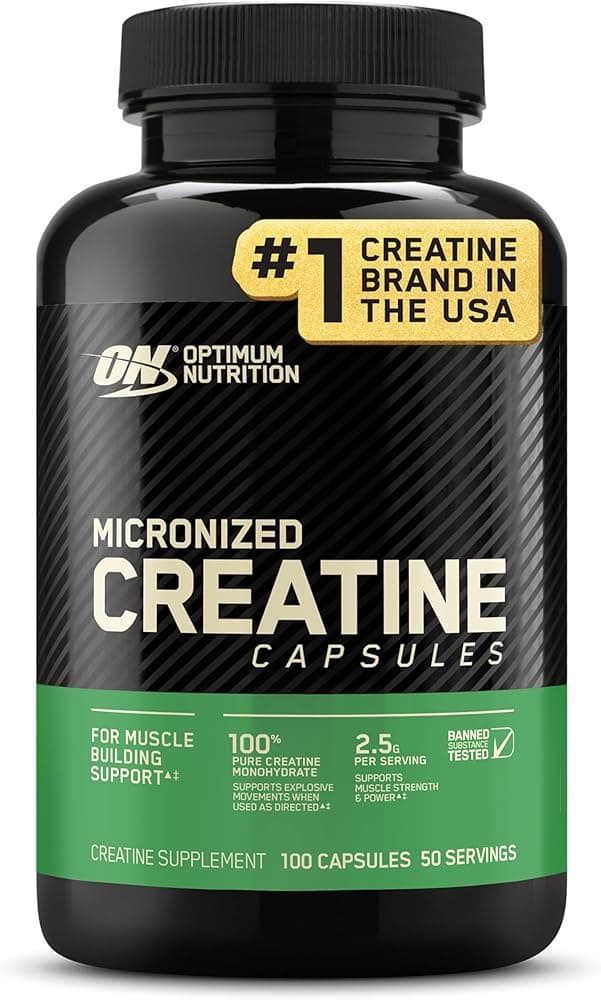
Optimum Nutrition
Support strength, power, and muscle recovery with micronized creatine monohydrate capsules. Banned substance tested for quality, easy to take, and ideal for athletes looking to improve training performance.
View Product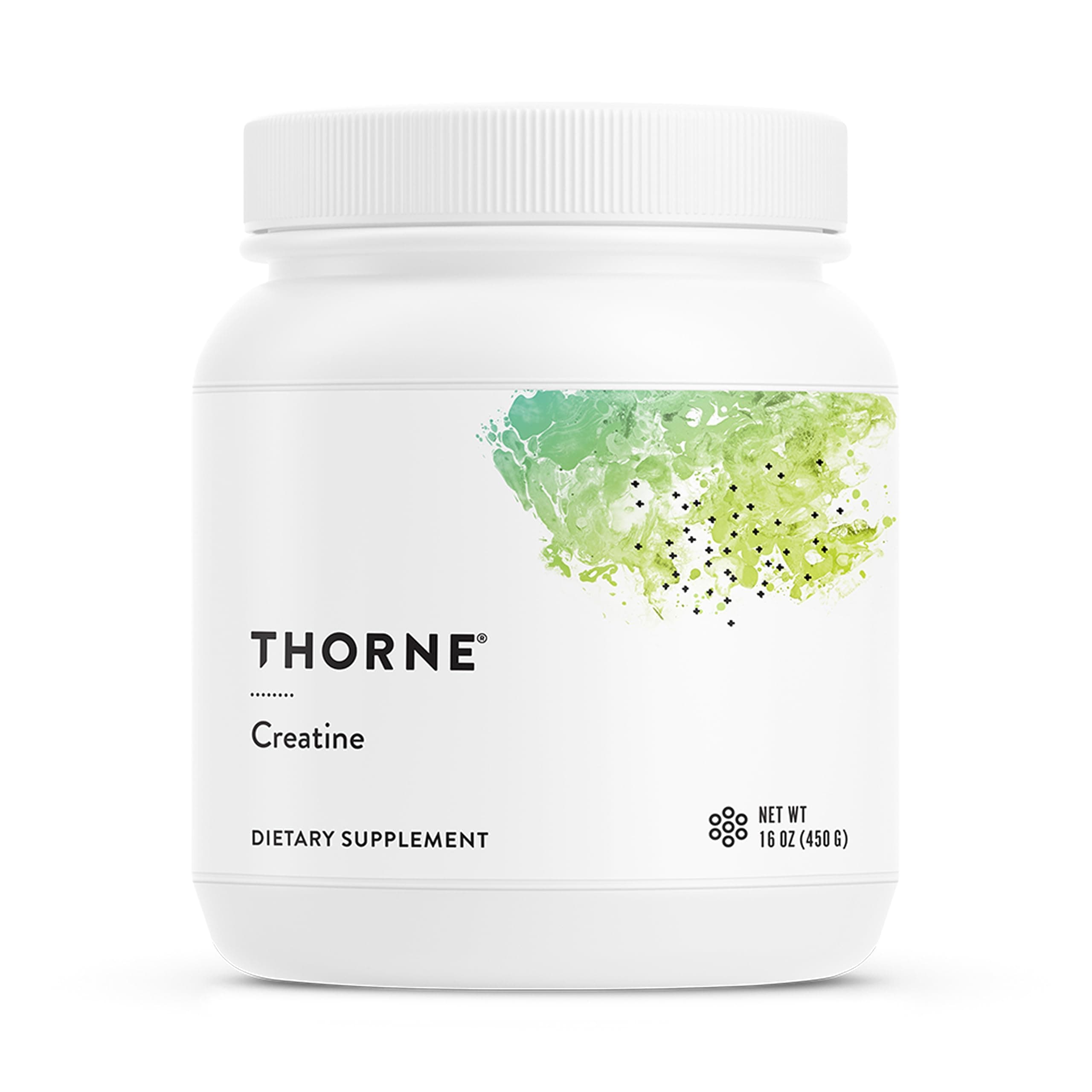
THORNE
Support strength, muscle recovery, and cognitive function with micronized creatine monohydrate. This unflavored powder mixes easily and helps fuel training, performance, and everyday brain health.
View Product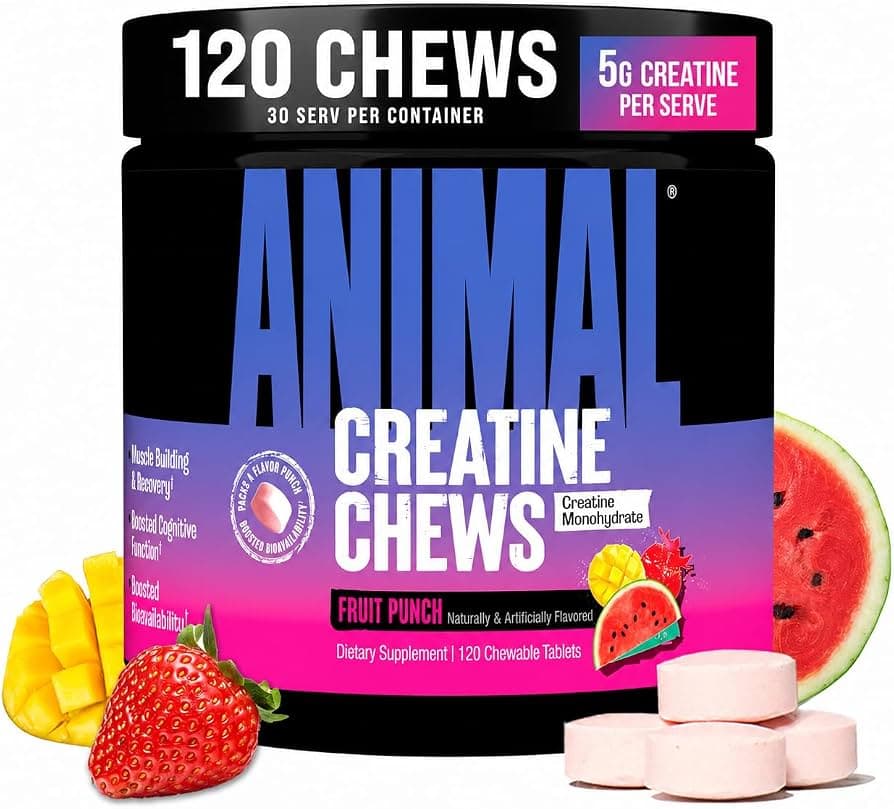
Animal
Support strength, power, and muscle recovery with chewable creatine tablets. Enhanced with AstraGin for improved absorption and sea salt for added pumps, they deliver convenient, great-tasting performance support.
View ProductSome links are affiliate links. We may earn a commission at no extra cost to you.
Sources
- 1.International Society of Sports Nutrition Position Stand: Safety and Efficacy of Creatine Supplementation in Exercise, Sport, and Medicine — Kreider RB, et al., Journal of the International Society of Sports Nutrition, 2017
- 2.Creatine supplementation with specific view to exercise/sports performance: an update — Cooper R, Naclerio F, Allgrove J, Jimenez A, Journal of the International Society of Sports Nutrition, 2012
- 3.The role of dietary creatine — Brosnan ME, Brosnan JT, Amino Acids, 2016
- 4.Functions and effects of creatine in the central nervous system — Andres RH, Ducray AD, Schlattner U, Wallimann T, Widmer HR, Brain Research Bulletin, 2008
- 5.Effects of Creatine Supplementation on Brain Function and Health — Forbes SC, Cordingley DM, Cornish SM, et al., Nutrients, 2022
- 6.Metabolic Basis of Creatine in Health and Disease: A Bioinformatics-Assisted Review — Bonilla DA, Kreider RB, Stout JR, et al., Nutrients, 2021
- 7.Creatine metabolism and psychiatric disorders: Does creatine supplementation have therapeutic value? — Allen PJ, Neuroscience & Biobehavioral Reviews, 2012
- 8.Creatine supplementation for treating symptoms of depression: a systematic review and meta-analysis — Eckert I, Lima J, Dariva AA, British Journal of Nutrition, 2025
- 9.Single-Dose Creatine Reduces Sleep Deprivation-Induced Deterioration in Cognitive Performance — Gordji-Nejad A, Matusch A, Hengstler L, et al., Nutrients, 2026
- 10.Everything You Need to Know About Creatine — Stanford Lifestyle Medicine, Stanford Lifestyle Medicine, N/A
- 11.Creatine as a booster for human brain function. How might it work? — Rae CD, Bröer S, Neurochemistry International, 2015
- 12."Heads Up" for Creatine Supplementation and its Potential Applications for Brain Health and Function — Candow DG, Forbes SC, Ostojic SM, et al., Sports Medicine, 2023
- 13.Efficacy and safety profile of oral creatine monohydrate in add-on to cognitive-behavioural therapy in depression — Sherpa NN, De Giorgi R, Ostinelli EG, et al., European Neuropsychopharmacology, 2025
- 14.The effects of creatine supplementation on cognitive function in adults: a systematic review and meta-analysis — Xu C, Bi S, Zhang W, Luo L, Frontiers in Nutrition, 2024
- 15.Effects of creatine on mental fatigue and cerebral hemoglobin oxygenation — Watanabe A, Kato N, Kato T, Neuroscience Research, 2002
- 16.Single dose creatine improves cognitive performance and induces changes in cerebral high energy phosphates during sleep deprivation — Gordji-Nejad A, Matusch A, Kleedörfer S, et al., Scientific Reports, 2024
- 17.Striatal creatine and glutamate/glutamine in attention-deficit/hyperactivity disorder — Carrey NJ, MacMaster FP, Gaudet L, Schmidt MH, Journal of Child and Adolescent Psychopharmacology, 2007
- 18.Timing, Optimal Dose and Intake Duration of Dietary Supplements with Evidence-Based Use in Sports Nutrition — Naderi A, de Oliveira EP, Ziegenfuss TN, Willems MT, Journal of Exercise Nutrition & Biochemistry, 2016
- 19.Creatine Guide for Active Women — Stacy Sims, Dr. Stacy Sims, N/A
- 20.Creatine Safety and Side Effects — Healthline, Healthline, N/A
- 21.Should You Take Creatine? What to Know Before You Supplement — Cedars-Sinai, Cedars-Sinai, N/A
Related articles
What Is Alpha-GPC? Benefits, Dosage, Side Effects and How It Works
Jul 5, 2026 · 8 min read

Adverse Childhood Experiences (ACEs): Prevalence, Long-Term Outcomes, and Evidence-Based Interventions
Jun 26, 2026 · 8 min read
Can Melatonin Improve Mental Health? Benefits, Risks, and Scientific Evidence
Jul 5, 2026 · 12 min read