Can Melatonin Improve Mental Health? Benefits, Risks, and Scientific Evidence
Melatonin may support mental health by improving sleep in people with ADHD, anxiety, depression, and stress-related conditions. Explore the scientific evidence, potential benefits, risks, and safe use of melatonin supplements.
Introduction
Melatonin has become one of the most popular sleep supplements worldwide, with millions of people taking it to combat insomnia, jet lag, shift work, and other sleep disturbances. Walk into almost any pharmacy or health store, and you'll likely find shelves stocked with melatonin products in various doses, formulations, and flavors. While most people associate melatonin exclusively with sleep, researchers have discovered that this naturally occurring hormone influences far more than bedtime. Over the past two decades, scientists have investigated melatonin's role in mood regulation, anxiety, cognitive function, inflammation, oxidative stress, and several psychiatric disorders.[1]
This growing body of research has raised an important question: Can melatonin actually improve mental health, or are its benefits simply the result of better sleep?
The answer is more nuanced than many headlines suggest. Sleep and mental health are deeply interconnected, making it difficult to separate the direct effects of melatonin from the indirect benefits that come from restoring healthy sleep patterns. People with depression often experience insomnia, individuals with anxiety frequently struggle to fall asleep, and many psychiatric conditions involve disruptions to the body's internal clock. Because melatonin helps regulate this biological clock, researchers believe it may offer therapeutic benefits beyond simply making people sleepy.[2]
Current evidence suggests that melatonin may improve certain aspects of mental health—particularly when sleep disturbances are part of the problem—but it is not a replacement for established treatments such as psychotherapy or prescribed psychiatric medications. Instead, melatonin appears to work best as a supportive intervention, helping restore normal circadian rhythms while potentially influencing several biological pathways involved in mood regulation.[3]
This article examines what melatonin is, how it works inside the body, the scientific evidence supporting its use in various mental health conditions, potential risks and side effects, and practical guidance for safe supplementation.
What Is Melatonin?
Melatonin is a hormone naturally produced by the pineal gland, a small endocrine gland located near the center of the brain. Often referred to as the "sleep hormone," melatonin serves as one of the body's primary timekeepers, helping coordinate the circadian rhythm—the roughly 24-hour cycle that regulates sleep, hormone production, metabolism, body temperature, and countless other physiological processes.[1]
Although sleep is its best-known function, melatonin has numerous biological roles throughout the body. Research has shown that it possesses antioxidant, anti-inflammatory, neuroprotective, blood pressure-lowering, immune-modulating, pain-modulating, and antidepressant properties. Scientists have also identified roles for melatonin in memory formation, retinal health, bone metabolism, reproductive physiology, and protection against cellular oxidative damage.[1]
Unlike many hormones that remain relatively stable throughout the day, melatonin follows a predictable daily rhythm.
As daylight fades, specialized cells in the retina detect decreasing light levels and send signals to the suprachiasmatic nucleus (SCN) of the hypothalamus, often described as the body's master biological clock. The SCN then communicates with the pineal gland, triggering melatonin production. Levels begin rising shortly after sunset, peak between approximately 2:00 and 4:00 a.m., and gradually decline toward morning as sunlight suppresses further secretion.[4]
Approximately 80% of daily melatonin production occurs during nighttime hours. Blood concentrations typically increase from daytime levels of around 10–20 pg/mL to nighttime peaks between 80 and 120 pg/mL.[4] This nightly rise signals that it is biologically appropriate to sleep, coordinating numerous physiological changes that prepare the body for rest.
Exposure to artificial light—particularly blue light emitted from smartphones, tablets, computers, and LED lighting—can interfere with this process. Even moderate evening light exposure suppresses melatonin production, delays sleep onset, and shifts the circadian rhythm later into the night.[5]
In addition to naturally produced (endogenous) melatonin, synthetic melatonin supplements are widely available. These supplements, known as exogenous melatonin, are chemically identical to the hormone produced by the body and are commonly used to treat short-term insomnia, jet lag, delayed sleep phase disorder, and certain circadian rhythm disorders.[6][7]
Unlike prescription sleeping medications that directly sedate the brain, melatonin primarily signals that nighttime has arrived. Rather than forcing sleep, it helps align the body's natural biological clock with the desired sleep schedule.[3]
How Melatonin Works in the Body
Melatonin's effects extend well beyond making people feel sleepy. Scientists now recognize melatonin as a signaling molecule that interacts with multiple organs and biological systems throughout the body.
Its primary effects occur through two receptors known as MT1 and MT2, located throughout the brain and peripheral tissues.[3]
Activation of MT1 receptors primarily promotes sleep initiation by reducing wake-promoting neural activity. These receptors help quiet brain regions associated with alertness, making it easier to fall asleep.
MT2 receptors, meanwhile, help regulate circadian timing. They synchronize the body's internal clock with environmental light-dark cycles, allowing sleep patterns to remain stable over time.[3]
Together, these receptors help coordinate not only sleep but also body temperature regulation, hormone secretion, metabolism, cardiovascular function, and immune responses.
Melatonin also exerts several receptor-independent actions.
One of its most extensively studied properties is its role as a powerful antioxidant. Free radicals—unstable molecules generated during normal metabolism, inflammation, stress, and environmental exposures—can damage DNA, proteins, and cell membranes. Excessive oxidative stress has been linked to aging, neurodegenerative diseases, depression, anxiety disorders, and cognitive decline.
Melatonin directly neutralizes many of these harmful molecules while simultaneously stimulating the body's own antioxidant defense systems.[4]
Unlike many antioxidants that act only in specific tissues, melatonin easily crosses the blood-brain barrier, allowing it to protect neurons from oxidative injury. Researchers believe this may partly explain its observed neuroprotective effects in laboratory studies.[4]
Melatonin also exhibits anti-inflammatory properties by regulating immune signaling molecules known as cytokines. Chronic low-grade inflammation has increasingly been recognized as an important contributor to depression, anxiety disorders, bipolar disorder, schizophrenia, and neurodegenerative diseases. By reducing inflammatory signaling, melatonin may help protect brain function under certain conditions.[8]
Researchers have additionally found evidence that melatonin influences neurotransmitter systems involved in mood regulation.
Experimental studies suggest melatonin interacts with:
- Gamma-aminobutyric acid (GABA), the brain's primary inhibitory neurotransmitter involved in relaxation and anxiety reduction.
- Serotonin pathways, which play essential roles in mood, emotional processing, and sleep.
- Dopamine signaling, which contributes to motivation, reward, and attention.
- Glucocorticoid pathways involved in the body's stress response.[8]
These interactions provide several plausible biological mechanisms through which melatonin could influence mental health independently of its effects on sleep.
The Connection Between Sleep and Mental Health
Understanding melatonin's potential role in mental health first requires understanding the close relationship between sleep and psychological well-being.
For many years, poor sleep was viewed simply as a symptom of mental illness. Depression caused insomnia. Anxiety caused racing thoughts at bedtime. Bipolar disorder disrupted sleep schedules.
Researchers now understand that the relationship works in both directions.
Sleep problems can increase the risk of developing psychiatric disorders, while psychiatric disorders frequently worsen sleep quality, creating a self-reinforcing cycle.[2]
According to the Centers for Disease Control and Prevention (CDC), more than one-third of American adults fail to obtain adequate sleep on a regular basis. Nearly 80% of teenagers are also sleep deprived, while approximately one-quarter of adults experience chronic sleep disorders such as insomnia or obstructive sleep apnea.[2]
At the same time, more than one in five U.S. adults lives with a diagnosable mental health condition.[2]
Numerous studies demonstrate just how strongly these two issues overlap.
Individuals suffering from chronic insomnia are approximately 10 times more likely to develop depression and 17 times more likely to experience anxiety disorders compared with the general population.[2]
Similarly, obstructive sleep apnea increases the risk of both depression and anxiety by roughly threefold.[2]
Experimental sleep deprivation studies provide additional evidence.
Even short-term sleep loss significantly impairs emotional regulation, increases negative emotional responses, reduces resilience to stress, and makes individuals more reactive to unpleasant experiences. Healthy volunteers deprived of sleep frequently display symptoms resembling anxiety and depression despite having no underlying psychiatric illness.[2]
Conversely, improving sleep often leads to measurable improvements in mood, cognitive function, emotional stability, and overall quality of life.
This bidirectional relationship explains why researchers have become increasingly interested in treatments that restore normal sleep architecture.
Because melatonin directly regulates circadian timing while also influencing inflammation, oxidative stress, neurotransmission, and hormonal signaling, scientists hypothesize that it may provide benefits extending beyond sleep itself.
However, an important distinction remains.
Improving sleep does not necessarily cure psychiatric illness.
Instead, better sleep may reduce symptom severity, enhance emotional resilience, improve response to therapy, and support recovery alongside evidence-based mental health treatments.
The following sections examine what current clinical research says about melatonin's effectiveness across various psychiatric disorders, including anxiety, depression, bipolar disorder, schizophrenia, ADHD, and autism spectrum disorder.
Scientific Evidence on Melatonin and Mental Health
Interest in melatonin has expanded well beyond its traditional use as a sleep aid. Researchers now recognize that circadian rhythm disruption is a common feature of many psychiatric disorders, prompting investigations into whether restoring healthy biological rhythms can improve mental health outcomes.[3][4]
While melatonin is not considered a primary treatment for psychiatric illness, studies suggest it may serve as a useful adjunct in certain populations—particularly when insomnia or circadian rhythm disturbances contribute to symptom severity. However, the strength of evidence varies considerably depending on the condition being studied.
Melatonin and Anxiety
Anxiety disorders are among the most common mental illnesses worldwide, affecting hundreds of millions of people. Generalized anxiety disorder (GAD), panic disorder, social anxiety disorder, and other anxiety conditions frequently coexist with chronic insomnia, fragmented sleep, and circadian rhythm disturbances. Because poor sleep can worsen anxiety—and anxiety can further impair sleep—breaking this cycle has become an important therapeutic goal.[9]
Although melatonin is widely recognized for promoting sleep, researchers have identified several biological mechanisms that may explain its direct anxiolytic (anxiety-reducing) effects.
One proposed mechanism involves modulation of the gamma-aminobutyric acid (GABA) system. GABA is the brain's primary inhibitory neurotransmitter, helping calm excessive neuronal activity associated with anxiety. Laboratory studies suggest melatonin can enhance GABAergic signaling, promoting relaxation without producing the same level of sedation or dependence associated with many traditional anti-anxiety medications.[9]
Melatonin also appears to influence the hypothalamic-pituitary-adrenal (HPA) axis—the body's primary stress-response system. Chronic anxiety is associated with elevated cortisol levels and prolonged activation of stress hormones. Experimental evidence suggests melatonin may reduce excessive glucocorticoid activity while dampening sympathetic nervous system activation, effectively reducing the body's physiological stress response.[9]
Another proposed mechanism involves melatonin's antioxidant and anti-inflammatory properties. Increasing evidence suggests oxidative stress and chronic low-grade inflammation contribute to anxiety disorders by altering neuronal function and neurotransmitter balance. Because melatonin readily crosses the blood-brain barrier and acts as a potent antioxidant, researchers believe it may help protect neural tissue from stress-related damage.[4][9]
Clinical evidence is encouraging but remains limited.
Much of the strongest evidence comes from perioperative medicine rather than psychiatry. A Cochrane systematic review examining adults undergoing surgery found that melatonin significantly reduced preoperative anxiety and performed similarly to some commonly prescribed sedative medications while producing fewer adverse effects.[10]
However, these findings cannot automatically be generalized to people with chronic anxiety disorders.
Smaller randomized trials involving adults with generalized anxiety symptoms have demonstrated improvements in subjective anxiety scores and sleep quality using doses between 3 and 6 mg. Nevertheless, most studies have been relatively small, short-term, and focused primarily on sleep-related outcomes rather than long-term psychiatric symptom control.[10]
Consequently, current evidence suggests melatonin may be helpful for anxiety when insomnia or circadian disruption is present, but it should not replace established treatments such as cognitive behavioral therapy or evidence-based medications.
Melatonin and Depression
Major depressive disorder (MDD) affects more than 280 million people globally and is frequently accompanied by profound disturbances in sleep and circadian rhythm. Individuals with depression often experience insomnia, early morning awakening, delayed sleep timing, reduced REM sleep quality, and disrupted melatonin secretion.[11][12]
Researchers have long suspected that abnormal circadian rhythms contribute not only to depressive symptoms but also to relapse risk.
Melatonin may address several biological processes implicated in depression.
First, it helps restore circadian alignment by reinforcing the body's internal clock, potentially improving sleep architecture and daytime functioning.[11]
Second, melatonin possesses antioxidant and anti-inflammatory effects that may reduce neuroinflammation increasingly associated with depressive disorders.[4][9]
Third, researchers have proposed that melatonin influences brain-derived neurotrophic factor (BDNF), a protein involved in neuroplasticity and neuronal survival. Reduced BDNF activity has been observed in many patients with depression, and several antidepressant treatments appear to increase its expression.[11][12]
Perhaps the strongest evidence for melatonin-related treatment comes not from melatonin itself but from agomelatine, a prescription antidepressant that acts as both a melatonin receptor agonist and serotonin receptor antagonist. Numerous randomized controlled trials have demonstrated that agomelatine improves depressive symptoms while simultaneously normalizing sleep patterns without causing significant daytime sedation.[11][12]
Evidence for standard melatonin supplementation is more modest.
Clinical studies generally show consistent improvements in sleep quality among patients with depression, but improvements in core depressive symptoms have been less consistent. Some trials report reductions in depressive symptom scores, while others find that sleep improves without meaningful changes in mood.[11][12]
An important observational study published in 2023 examined melatonin use among adolescents with psychiatric disorders. Researchers found that rates of self-harm declined following initiation of melatonin treatment, particularly among adolescent females diagnosed with depression or anxiety. Compared with the month before treatment began, the month immediately after melatonin initiation was associated with substantially lower rates of self-harm.[13]
Because this study was observational, it cannot prove melatonin caused the reduction. Other factors, including increased medical attention or concurrent treatments, may also have contributed. Nevertheless, the findings suggest melatonin may have a supportive role in improving overall clinical outcomes among young people with mood disorders.[13]
Overall, current evidence indicates melatonin may be most beneficial in depression when sleep disturbances are a prominent feature rather than as a standalone antidepressant.
Melatonin and Bipolar Disorder
Sleep disruption is one of the defining features of bipolar disorder. Changes in sleep often precede manic or depressive episodes, and irregular circadian rhythms are believed to contribute directly to mood instability.[14]
Because melatonin helps regulate circadian timing, researchers have explored whether supplementation might stabilize mood by restoring healthier sleep-wake cycles.
Several pilot studies suggest melatonin may reduce sleep disturbances, improve circadian synchronization, and possibly decrease relapse risk when used alongside standard bipolar medications.[14][15]
A systematic review and meta-analysis evaluating melatonin receptor agonists—including melatonin and ramelteon—reported modest improvements in sleep-related outcomes but found insufficient evidence to conclude that these therapies significantly reduce manic or depressive episodes.[15]
More recently, an actigraphy-based study involving individuals with bipolar disorder and delayed sleep-wake phase disorder found that exogenous melatonin improved circadian rhythm alignment and sleep timing, supporting the concept that correcting biological timing may benefit carefully selected patients.[16]
Despite these encouraging findings, available research remains limited by small sample sizes, heterogeneous study designs, and inconsistent dosing protocols.
Current clinical guidelines therefore consider melatonin a potential adjunctive treatment for sleep regulation rather than an established therapy for bipolar disorder itself.
Melatonin and Schizophrenia
Sleep disturbances are extremely common among people living with schizophrenia, affecting both quality of life and treatment outcomes.
Patients with schizophrenia often exhibit disrupted circadian rhythms, reduced nocturnal melatonin secretion, fragmented sleep, and significant daytime fatigue.[17]
Several randomized clinical trials have investigated whether melatonin supplementation can improve these sleep abnormalities.
One of the earliest studies found that melatonin significantly improved subjective sleep quality among patients with chronic schizophrenia without worsening psychotic symptoms.[18]
Researchers have also explored melatonin's ability to reduce metabolic side effects associated with atypical antipsychotic medications.
Weight gain, insulin resistance, elevated cholesterol, and metabolic syndrome are common complications of long-term antipsychotic therapy. Randomized controlled trials suggest melatonin may modestly reduce some of these metabolic abnormalities, possibly through its antioxidant, anti-inflammatory, and circadian-regulating effects.[19][20]
A later meta-analysis supported these findings, concluding that melatonin may attenuate certain metabolic adverse effects of atypical antipsychotics, although additional high-quality studies are still needed.[20]
Importantly, melatonin has not demonstrated meaningful improvements in hallucinations, delusions, or other core psychotic symptoms.
Instead, its primary role appears to involve improving sleep quality and potentially reducing treatment-related metabolic complications.
Melatonin and Autism Spectrum Disorder (ASD)
Sleep problems affect an estimated 50–80% of children with autism spectrum disorder, making them substantially more common than in the general pediatric population.[21]
Several factors contribute to these difficulties, including altered melatonin production, sensory sensitivities, anxiety, behavioral challenges, and differences in circadian rhythm regulation.
Researchers have identified abnormalities in genes involved in melatonin synthesis and metabolism among some individuals with autism, providing a biological rationale for supplementation.[21]
Evidence supporting melatonin use in autism is among the strongest in psychiatric research.
A systematic review and meta-analysis found that melatonin consistently reduced sleep-onset latency, increased total sleep time, and improved overall sleep quality in children with autism.[21]
These sleep improvements frequently translated into secondary benefits, including better daytime behavior, improved parental quality of life, reduced irritability, and enhanced social functioning.
A large randomized controlled trial evaluating prolonged-release melatonin demonstrated significant improvements in both sleep duration and sleep initiation among children with autism spectrum disorder. Many participants also showed improvements in caregiver-reported behavior and daily functioning.[22]
However, symptoms often returned after discontinuation, suggesting ongoing treatment may be necessary for sustained benefit.
Overall, prolonged-release melatonin is now considered one of the most evidence-supported pharmacological options for managing insomnia in children with autism when behavioral interventions alone are insufficient.
Melatonin and ADHD
Sleep-onset insomnia is highly prevalent among children and adults with attention-deficit/hyperactivity disorder (ADHD).
Delayed circadian rhythms, difficulty falling asleep, and inconsistent sleep schedules frequently worsen attention, executive functioning, emotional regulation, and daytime behavior.
Randomized controlled trials have demonstrated that melatonin can significantly shorten sleep-onset latency in children with ADHD who also experience chronic insomnia.[23]
Improved sleep has often been accompanied by better attention, improved daytime functioning, and reduced behavioral difficulties, although these changes appear largely attributable to improved sleep rather than direct treatment of ADHD itself.
More recent chronotherapy research combining melatonin with controlled light exposure has shown promising improvements in circadian rhythm alignment among adults with ADHD and delayed sleep phase syndrome.[24]
Nevertheless, melatonin does not appear to improve the core symptoms of hyperactivity or impulsivity independently.
Instead, it should be viewed as a treatment for associated sleep disturbances that may indirectly improve daily functioning.
Melatonin, Stress, and Cognitive Function
Emerging research suggests melatonin's benefits may extend beyond specific psychiatric diagnoses.
Chronic psychological stress increases oxidative damage, inflammation, cortisol secretion, and sympathetic nervous system activity—all biological processes that melatonin may help regulate.[4][9]
Laboratory studies indicate melatonin reduces oxidative stress within neural tissue while limiting inflammatory signaling molecules associated with chronic stress exposure.[4]
Researchers also continue investigating melatonin's role in cognitive health.
Because sleep plays a central role in memory consolidation, learning, and executive function, improving sleep quality through melatonin supplementation may indirectly support cognitive performance.
Experimental evidence further suggests melatonin protects neurons from oxidative injury, supports mitochondrial function, and may reduce age-related neurodegeneration.[1][4]
However, evidence that melatonin directly enhances cognition in healthy individuals remains limited.
Most observed cognitive benefits appear secondary to improved sleep quality rather than direct enhancement of intelligence, memory, or concentration.
Overall, current evidence suggests melatonin may help preserve cognitive function by protecting brain health and promoting restorative sleep, but more large-scale clinical trials are needed before firm conclusions can be drawn.
Frequently asked questions
- Can melatonin improve mental health?
Melatonin may support mental health, but it is not a treatment for psychiatric disorders on its own. The strongest evidence suggests it improves sleep and circadian rhythm, which can indirectly reduce symptoms of anxiety, depression, bipolar disorder, and other mental health conditions. Researchers also believe its antioxidant and anti-inflammatory properties may contribute to brain health, although more high-quality clinical trials are needed before melatonin can be recommended as a primary mental health treatment.[3][4][11][12]
- Does melatonin help with anxiety?
Melatonin may help reduce anxiety, particularly when anxiety is associated with insomnia or disrupted sleep. Studies suggest it influences GABA activity, regulates the body's stress response, and reduces oxidative stress. A Cochrane review found that melatonin significantly reduced preoperative anxiety, though evidence for chronic anxiety disorders remains more limited.[9][10]
- Can melatonin help with depression?
Melatonin is not considered an antidepressant, but it may help people with depression who also experience sleep disturbances. By improving circadian rhythm and sleep quality, melatonin may reduce symptom severity in some individuals. Prescription medications such as agomelatine, which act on melatonin receptors, have shown stronger antidepressant effects than melatonin supplements alone.[11][12]
- Can melatonin reduce stress?
Melatonin may help regulate the body's response to stress by reducing cortisol activity, decreasing inflammation, and protecting brain cells from oxidative damage. While these biological effects are well documented, clinical evidence specifically examining melatonin as a stress-reduction supplement remains limited.[4][9]
- Does melatonin improve mood?
Melatonin may improve mood indirectly by improving sleep quality and restoring healthy circadian rhythms. Poor sleep is strongly associated with depression, anxiety, irritability, and emotional dysregulation, so correcting sleep disturbances often leads to better overall emotional well-being. However, melatonin has not consistently demonstrated direct antidepressant effects in clinical trials.[2][11][12]
- Can melatonin improve cognitive function?
Melatonin is not a cognitive enhancer, but it may support cognitive function by improving sleep quality and protecting neurons from oxidative stress. Better sleep promotes memory consolidation, learning, attention, and executive function. Current evidence suggests most cognitive benefits are secondary to improved sleep rather than a direct effect on intelligence or memory.[1][4]
- Is melatonin safe to take every night?
For most healthy adults, melatonin appears to be safe when taken nightly at appropriate doses for short- to medium-term use. Unlike many prescription sleep medications, it is not associated with dependence or withdrawal. However, long-term studies lasting several years remain limited, so anyone considering prolonged nightly use should consult a healthcare professional.[3][25]
- What is the best dosage of melatonin?
There is no single "best" dose because the optimal amount varies between individuals and the condition being treated. Most clinical studies have used doses ranging from 0.5 mg to 5 mg, with many experts recommending starting at the lowest effective dose. Higher doses do not necessarily produce better sleep and may increase the likelihood of next-day drowsiness.[3][25]
- How long does melatonin take to work?
Melatonin generally begins working within 30 to 60 minutes after it is taken. For this reason, it is usually recommended about half an hour to one hour before bedtime. Consistent timing is often more important than taking larger doses.[3][6]
- Can melatonin cause side effects?
Yes. Although melatonin is generally well tolerated, some people experience mild side effects such as daytime sleepiness, headache, dizziness, nausea, dry mouth, vivid dreams, or stomach discomfort. Serious side effects are rare but require medical attention if they occur.[25]
- Is melatonin addictive?
Current evidence indicates that melatonin is not addictive and does not produce physical dependence like benzodiazepines or many prescription sleeping pills. People generally do not develop significant tolerance, meaning higher doses are not usually required over time to achieve the same effect.[1][3]
- Can you take melatonin with antidepressants?
Melatonin may interact with certain antidepressants and other medications, so it should not be combined without medical advice. While many people safely use both under healthcare supervision, some antidepressants may alter melatonin metabolism or increase sedation. Anyone taking prescription psychiatric medications should consult their physician before starting melatonin.[3][26]
- Who should not take melatonin?
Melatonin should be used cautiously—or avoided—by people with severe liver disease, significant kidney disease, autoimmune disorders, or known allergies to melatonin. Individuals who are pregnant, breastfeeding, or taking medications such as anticoagulants, immunosuppressants, diabetes medications, or certain antidepressants should also seek medical advice before using melatonin.[26]
- Can melatonin be taken long-term?
Current evidence suggests melatonin is generally safe for long-term use in many adults, particularly when used at low doses. However, because most clinical trials have lasted months rather than years, researchers continue to study its long-term safety. Anyone planning to use melatonin continuously for an extended period should discuss ongoing use with a healthcare provider.[3][25]
- Is melatonin only for sleep, or does it have other health benefits?
No. Although melatonin is best known for regulating sleep, research has identified numerous additional biological functions. Melatonin acts as a powerful antioxidant, reduces inflammation, supports immune function, protects nerve cells, helps regulate circadian rhythms, and may play roles in cardiovascular health, metabolism, and healthy aging. Many of these potential benefits remain active areas of research, but sleep regulation remains its best-established clinical use.[1][4]
Purchase High Quality Melatonin Supplements
Choose high-quality melatonin supplements made with trusted ingredients and transparent manufacturing standards. Whether you're looking for occasional sleep support or daily use, quality matters for safety and consistency.
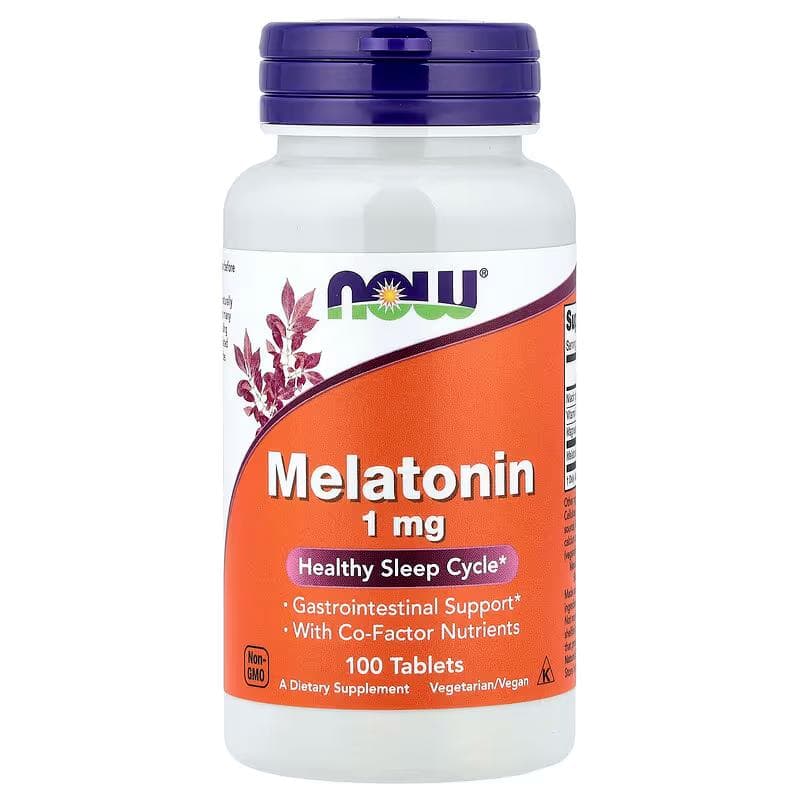
NOW Foods
Support a healthy sleep cycle with 1 mg of melatonin plus co-factor nutrients to promote restful sleep and circadian rhythm balance. This low-dose formula is ideal for occasional sleep support in easy-to-swallow tablets.
View Product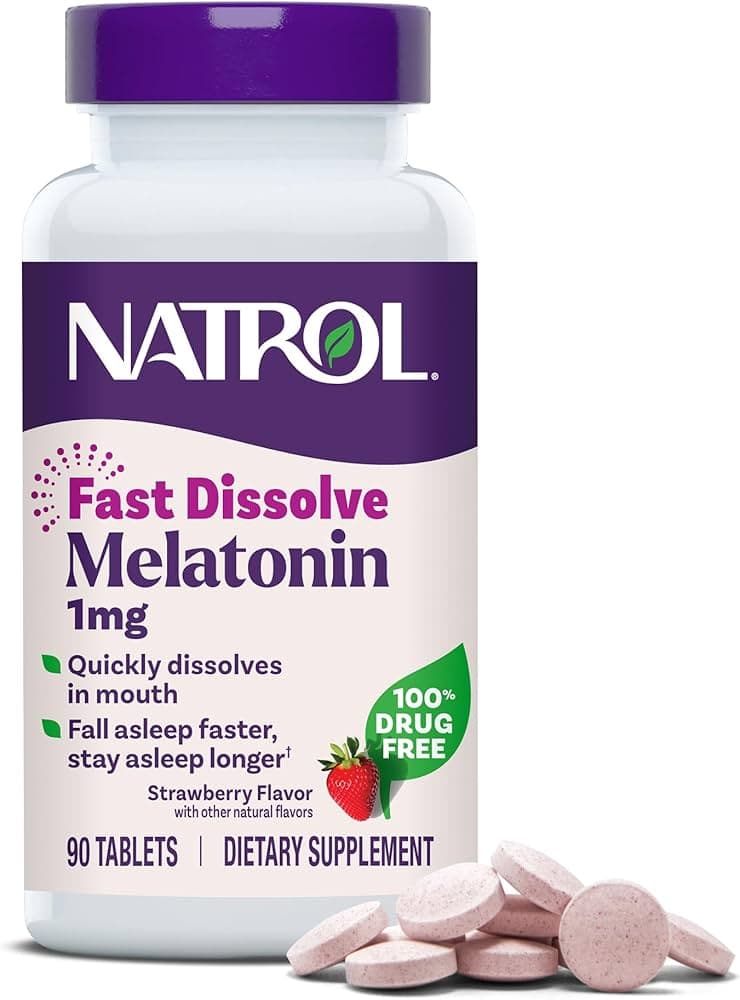
Natrol
Fall asleep faster with 1 mg of fast-dissolve melatonin designed to support a healthy sleep cycle. Dissolves quickly, making it a convenient option for occasional sleeplessness and restful, refreshing sleep.
View Product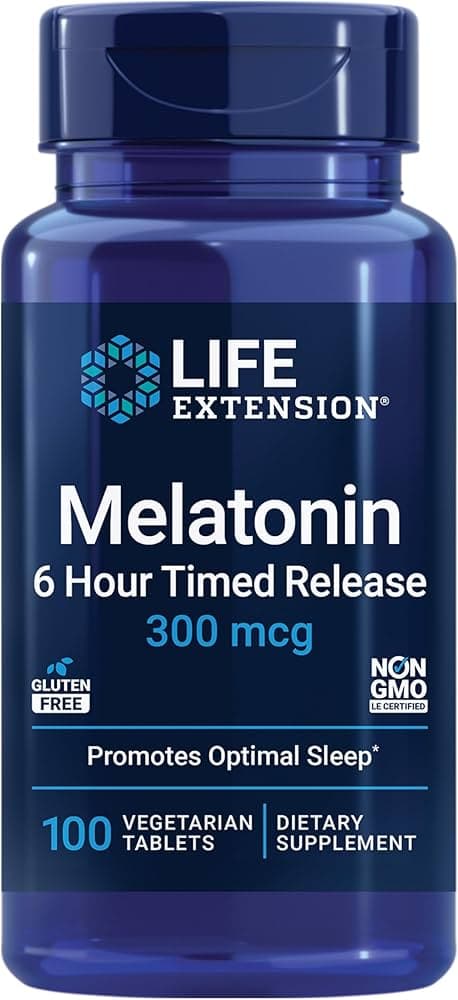
Life Extension
Ultra-low 300 mcg timed-release melatonin designed to mirror natural nighttime secretion. Supports gentle sleep onset and sustained sleep over 6 hours while promoting circadian rhythm balance.
View ProductSome links are affiliate links. We may earn a commission at no extra cost to you.
Sources
- 1.A Review of Melatonin, Its Receptors and Drugs — Emet M, Ozcan H, Ozel L, Yayla M, Halici Z, Hacimuftuoglu A, Eurasian Journal of Medicine, 2016
- 2.The Sleep–Mental Health Connection: What Science Says — Stanford Medicine, Stanford Medicine Insights, 2025
- 3.Melatonin — Edinoff AN, et al. (StatPearls Publishing), StatPearls, NCBI Bookshelf, 2024 (updated periodically)
- 4.Melatonin: Pharmacology, Functions and Therapeutic Benefits — Tordjman S, Chokron S, Delorme R, Charrier A, Bellissant E, Jaafari N, Fougerou C, Current Neuropharmacology, 2017
- 5.Discussion of Light-Dependent Melatonin Secretion and Circadian Regulation — Tordjman S, Chokron S, Delorme R, Charrier A, Bellissant E, Jaafari N, Fougerou C, Current Neuropharmacology, 2017
- 6.Melatonin — Cleveland Clinic, Cleveland Clinic Health Library, 2024
- 7.About Melatonin — National Health Service (NHS), NHS Medicines, 2023
- 8.Role of the Melatonin System in the Control of Sleep: Therapeutic Implications — Pandi-Perumal SR, Srinivasan V, Spence DW, Cardinali DP, CNS Drugs, 2007
- 9.Melatonin as a Potential Approach to Anxiety Treatment — Repova K, Baka T, Krajcirovicova K, Stanko P, Aziriova S, Reiter RJ, Simko F, International Journal of Molecular Sciences, 2022
- 10.Melatonin for Pre- and Postoperative Anxiety in Adults — Hansen MV, Halladin NL, Rosenberg J, Gögenur I, Møller AM, Cochrane Database of Systematic Reviews, 2015
- 11.Circadian Rhythms, Melatonin and Depression — Quera Salva MA, Hartley S, Barbot F, Alvarez JC, Lofaso F, Guilleminault C, Current Pharmaceutical Design, 2011
- 12.The Role of Melatonin in Mood Disorders — De Berardis D, Orsolini L, Serroni N, Girinelli G, Iasevoli F, Tomasetti C, et al., Chronophysiology in Therapy, 2015
- 13.Melatonin Use and the Risk of Self-Harm and Unintentional Injuries in Youths With and Without Psychiatric Disorders — Leone M, Kuja-Halkola R, Lagerberg T, Bjureberg J, Butwicka A, Chang Z, Larsson H, D'Onofrio BM, Leval A, Bergen SE, Journal of Child Psychology and Psychiatry, 2023
- 14.Melatonin and Melatonin Agonists as Adjunctive Treatments in Bipolar Disorders — Geoffroy PA, Etain B, Franchi JA, Bellivier F, Ritter P, Current Pharmaceutical Design, 2015
- 15.Melatonin Receptor Agonists for Bipolar Disorder: A Systematic Review and Meta-analysis — Kishi T, Nomura I, Sakuma K, Kitajima T, Mishima K, Iwata N, Neuropsychiatric Disease and Treatment, 2019
- 16.Effects of Exogenous Melatonin on Sleep and Circadian Rhythm Parameters in Bipolar Disorder — Cruz-Sanabria F, Faraguna U, Violi M, Bruno S, Gravina D, Bonelli C, et al., Journal of Psychiatric Research, 2023
- 17.Melatonin: An Overlooked Factor in Schizophrenia and in the Inhibition of Antipsychotic Side Effects — Anderson G, Maes M, Metabolic Brain Disease, 2012
- 18.Melatonin Improves Sleep Quality of Patients With Chronic Schizophrenia — Shamir E, Laudon M, Barak Y, Anis Y, Rotenberg V, Elizur A, et al., Journal of Clinical Psychiatry, 2000
- 19.Melatonin Attenuates Antipsychotic Metabolic Effects — Romo-Nava F, Alvarez-Icaza González D, Fresán-Orellana A, Saracco Alvarez R, Becerra-Palars C, Moreno J, et al., Bipolar Disorders, 2014
- 20.Melatonin for Atypical Antipsychotic-Induced Metabolic Adverse Effects: A Meta-analysis of Randomized Controlled Trials — Kamath A, Rather ZA, BioMed Research International, 2018
- 21.Melatonin in Autism Spectrum Disorders: A Systematic Review and Meta-analysis — Rossignol DA, Frye RE, Developmental Medicine & Child Neurology, 2011
- 22.Efficacy and Safety of Pediatric Prolonged-Release Melatonin for Insomnia in Children With Autism Spectrum Disorder — Gringras P, Nir T, Breddy J, Frydman-Marom A, Findling RL, Journal of the American Academy of Child & Adolescent Psychiatry, 2017
- 23.Effect of Melatonin on Sleep, Behavior, and Cognition in ADHD and Chronic Sleep-Onset Insomnia — Van der Heijden KB, Smits MG, Van Someren EJ, Ridderinkhof KR, Gunning WB, Journal of the American Academy of Child & Adolescent Psychiatry, 2007
- 24.Effects of Chronotherapy on Circadian Rhythm and ADHD Symptoms in Adults — van Andel E, Bijlenga D, Vogel SWN, Beekman ATF, Kooij JJS, Chronobiology International, 2021
- 25.Side Effects of Melatonin — National Health Service (NHS), NHS Medicines, 2023
- 26.Who Can and Cannot Take Melatonin — National Health Service (NHS), NHS Medicines, 2023
- 27.Sleep Hygiene: Simple Practices for Better Rest — Harvard Health Publishing, Harvard Medical School, 2024
Related articles

NAC for Nail Biting, Skin Picking, and Hair Pulling: Does It Actually Work?
Jun 27, 2026 · 8 min read

L-Theanine and Caffeine for Focus: Benefits, Dosage, Side Effects and Research
Jun 22, 2026 · 10 min read
Modafinil for Cognitive Enhancement: Benefits, Side Effects, Dosage, Uses, and Safety
Jun 26, 2026 · 15 min read