Modafinil for Cognitive Enhancement: Benefits, Side Effects, Dosage, Uses, and Safety
Learn what modafinil is, how it works in the brain, its approved medical uses, potential cognitive benefits, side effects, dosage, safety considerations, and what current scientific evidence says about this medication.

Modafinil is one of the most extensively studied wakefulness-promoting medications available today. Originally developed to treat narcolepsy, it is now prescribed worldwide for several sleep disorders and has attracted considerable interest for its effects on attention, executive function, and cognitive performance. Unlike traditional stimulants such as amphetamine or methylphenidate, modafinil produces wakefulness through a broader network of neurotransmitter systems and has a substantially lower potential for abuse.
Over the past three decades, hundreds of clinical studies have examined modafinil in patients with narcolepsy, obstructive sleep apnea (OSA), shift work sleep disorder (SWSD), attention-deficit/hyperactivity disorder (ADHD), depression, schizophrenia, traumatic brain injury, and healthy individuals. Although its wake-promoting effects are well established, researchers continue to investigate its precise mechanism of action because no single receptor fully explains its pharmacological profile.[1][2]
This article reviews the current scientific evidence on modafinil, including how it works in the brain, approved and investigational uses, cognitive effects, dosage recommendations, side effects, safety considerations, legal status, and how it compares with other stimulants.
What Is Modafinil?
Modafinil is a prescription medication that promotes wakefulness by acting on several neurotransmitter systems within the central nervous system. It is marketed under the brand name Provigil® and is approved by the U.S. Food and Drug Administration (FDA) for treating excessive daytime sleepiness associated with:
- Narcolepsy
- Obstructive sleep apnea (OSA) with persistent excessive sleepiness despite adequate CPAP therapy
- Shift work sleep disorder (SWSD)[1][3]
Unlike classical stimulants, modafinil does not simply increase dopamine release throughout the brain. Instead, it primarily inhibits dopamine transporters (DAT), reducing dopamine reuptake after neuronal release while also influencing norepinephrine, glutamate, GABA, serotonin, histamine, and orexin signaling.[2][4]
Because of these unique pharmacological actions, modafinil is frequently described as an atypical central nervous system stimulant.
Its effects typically begin within 2–4 hours after oral administration, while its elimination half-life ranges from 12 to 15 hours, allowing wakefulness to be maintained throughout most of the day.[5]
History of Modafinil
Modafinil was first developed in France during the 1970s by neurophysiologist Professor Michel Jouvet in collaboration with Lafon Laboratories.[6]
The original research focused on compounds capable of promoting wakefulness without producing the cardiovascular stimulation and dependence associated with amphetamine derivatives.
Following extensive animal experiments, researchers synthesized adrafinil, a prodrug that was later found to be metabolized into modafinil, its primary active metabolite.
Clinical studies throughout the 1980s demonstrated that modafinil significantly improved wakefulness in patients with narcolepsy while producing relatively few adverse effects compared with conventional stimulants.[7]
The French military subsequently evaluated modafinil during sustained operations requiring prolonged wakefulness. During the Gulf War (1991), modafinil was used by French military personnel after studies showed it maintained alertness and operational performance during extended sleep deprivation.[8]
Following successful European trials, France officially approved modafinil in 1992.
In 1998, the U.S. Food and Drug Administration approved modafinil for treating narcolepsy, providing physicians with a new treatment option that differed mechanistically from amphetamines and methylphenidate.[7]
Since then, approved indications have expanded to include obstructive sleep apnea and shift work sleep disorder, while research has explored numerous additional neurological and psychiatric applications.
How Modafinil Works in the Brain
Although modafinil has been studied for more than 30 years, researchers still consider its mechanism of action incompletely understood.
Rather than targeting a single receptor, modafinil alters activity across multiple neurotransmitter systems simultaneously.
Dopamine Transporter Inhibition
The strongest evidence supports inhibition of the dopamine transporter (DAT).
Normally, dopamine released into the synapse is rapidly recycled back into neurons through DAT. Modafinil blocks this transporter, increasing extracellular dopamine concentrations.
A landmark PET imaging study by Volkow and colleagues demonstrated that modafinil significantly occupied dopamine transporters while increasing extracellular dopamine in several brain regions.
Compared with placebo, modafinil reduced dopamine transporter binding by:
- 53.8% in the caudate nucleus
- 47.2% in the putamen
- 39.3% in the nucleus accumbens
At the same time, extracellular dopamine increased by:
- 6.1% in the caudate
- 6.7% in the putamen
- 19.4% in the nucleus accumbens.[9]
Although these changes resemble those produced by addictive stimulants, modafinil produces substantially weaker dopaminergic reinforcement, which likely contributes to its lower abuse potential.[2]
Norepinephrine
Modafinil also inhibits norepinephrine transporters, increasing extracellular norepinephrine, particularly within the prefrontal cortex.
The prefrontal cortex regulates:
- sustained attention
- planning
- decision making
- impulse control
- working memory
Enhanced norepinephrine transmission is believed to contribute substantially to modafinil's cognitive effects.[10]
Glutamate and GABA
Another distinctive feature of modafinil is its simultaneous enhancement of excitatory neurotransmission while suppressing inhibitory signaling.
Studies consistently demonstrate:
- increased glutamate release
- decreased GABA activity
This shifts cortical activity toward heightened alertness and information processing.[10]
Orexin and Histamine
Unlike conventional stimulants, modafinil indirectly activates orexin (hypocretin) neurons located in the lateral hypothalamus.
Orexin neurons stimulate additional wakefulness-promoting pathways, including histamine-producing neurons within the tuberomammillary nucleus.
Together these systems help stabilize wakefulness over prolonged periods.[10]
Multiple Neurotransmitter Systems
Current evidence indicates that modafinil affects:
- Dopamine
- Norepinephrine
- Histamine
- Orexin
- Glutamate
- GABA
- Serotonin
Rather than relying on one dominant pathway, modafinil appears to coordinate multiple arousal networks simultaneously, explaining why its pharmacology differs substantially from traditional psychostimulants.[2][4]
Approved Medical Uses of Modafinil
The FDA has approved modafinil for three medical conditions characterized by excessive daytime sleepiness.
Narcolepsy
Narcolepsy is a chronic neurological disorder in which the brain cannot properly regulate sleep-wake cycles.
Patients experience:
- overwhelming daytime sleepiness
- unintended sleep episodes
- impaired concentration
- fatigue
Clinical trials consistently demonstrate that modafinil significantly improves daytime wakefulness while reducing illness severity.[3]
Unlike amphetamine-based stimulants, modafinil generally causes fewer cardiovascular effects and produces a lower incidence of rebound hypersomnolence.
Obstructive Sleep Apnea (OSA)
Continuous positive airway pressure (CPAP) remains the primary treatment for OSA.
However, many patients continue experiencing excessive daytime sleepiness despite optimal CPAP adherence.
For these individuals, modafinil improves daytime alertness without replacing treatment of the underlying airway obstruction.[3]
Shift Work Sleep Disorder
Shift workers frequently experience circadian rhythm disruption because work schedules conflict with normal sleep timing.
Randomized controlled trials demonstrate that modafinil improves wakefulness, reaction time, and occupational performance in individuals working overnight or rotating shifts.[3]
The recommended administration is approximately one hour before beginning the work shift.
# Modafinil as a Nootropic ("Smart Drug") and Off-Label Uses

Although modafinil is approved only for narcolepsy, obstructive sleep apnea (OSA), and shift work sleep disorder (SWSD), researchers have investigated its potential use in numerous neurological and psychiatric disorders. Much of this interest stems from its ability to improve attention, executive function, working memory, and vigilance while producing a lower abuse potential than traditional stimulants.<sup id="cite-2"><a href="#source-2">[2]</a></sup>

Importantly, most off-label applications remain investigational. While some studies have reported meaningful improvements in cognitive performance or symptom severity, the evidence varies considerably between conditions, and modafinil is not approved for these uses.

## Attention-Deficit/Hyperactivity Disorder (ADHD)

Several placebo-controlled trials have evaluated modafinil as an alternative treatment for ADHD.

A review of psychiatric applications concluded that modafinil showed particularly promising effects on attention and hyperactivity, with benefits often becoming apparent within the first week of treatment. However, the authors emphasized that larger randomized controlled trials with longer follow-up are still required before firm conclusions can be drawn.<sup id="cite-11"><a href="#source-11">[11]</a></sup>

Compared with traditional ADHD medications such as methylphenidate or amphetamines, modafinil generally produces less euphoria and has a lower abuse potential. However, because it is not FDA-approved for ADHD, clinicians typically reserve it for selected patients who cannot tolerate first-line medications.

## Depression and Fatigue

Residual fatigue remains one of the most persistent symptoms in major depressive disorder, even after mood symptoms improve.

Clinical studies suggest that modafinil may reduce fatigue and improve concentration when used alongside antidepressant therapy, although results are mixed across studies.<sup id="cite-11"><a href="#source-11">[11]</a></sup>

Researchers believe these benefits may result from increased activity within dopamine and norepinephrine pathways involved in motivation and alertness.

## Schizophrenia

Cognitive impairment is a major contributor to disability in schizophrenia and often responds poorly to antipsychotic medication.

Research evaluating modafinil has demonstrated improvements in:

- executive functioning
- sustained attention
- working memory
- cognitive flexibility

A comprehensive review concluded that these improvements may translate into better everyday functioning, although most studies involved relatively small sample sizes and short treatment durations.<sup id="cite-12"><a href="#source-12">[12]</a></sup>

Investigators have also suggested that patient characteristics, including baseline cognitive impairment and genetic differences, may influence treatment response.

## Substance Use Disorders

One of modafinil's more unusual investigational applications involves addiction medicine.

Despite increasing dopamine signaling, modafinil has been studied as a potential treatment for cocaine dependence because it produces significantly weaker reinforcement than cocaine or amphetamine.

Several studies have reported reductions in cocaine use and improvements in attention during treatment, although larger clinical trials remain necessary before routine use can be recommended.<sup id="cite-11"><a href="#source-11">[11]</a></sup>

---

# Modafinil for Cognitive Enhancement

Perhaps no aspect of modafinil has received more public attention than its reputation as a "smart drug."

Students, shift workers, physicians, military personnel, entrepreneurs, and programmers have all reported using modafinil to remain awake and improve productivity. However, the scientific evidence paints a more nuanced picture.

## Executive Function

Across numerous placebo-controlled studies, executive function shows the most consistent improvement following modafinil administration.

Executive functions include:

- planning
- problem solving
- inhibition
- decision making
- cognitive flexibility

A systematic review by Battleday and Brem concluded that modafinil consistently improves higher executive functions in healthy, non-sleep-deprived adults.<sup id="cite-13"><a href="#source-13">[13]</a></sup>

## Attention

Improvements in sustained attention represent one of modafinil's most reproducible findings.

Participants generally perform better on continuous performance tasks requiring prolonged concentration, particularly during lengthy testing sessions.<sup id="cite-13"><a href="#source-13">[13]</a></sup>

These effects appear especially valuable when fatigue or sleep deprivation would otherwise impair performance.

## Learning and Memory

Research suggests modest improvements in several forms of memory, particularly:

- working memory
- episodic memory
- learning efficiency

However, improvements are generally smaller than those observed for executive functioning.<sup id="cite-13"><a href="#source-13">[13]</a></sup>

## Does Modafinil Increase IQ?

Current evidence does not support the idea that modafinil permanently increases intelligence or IQ.

A retrospective analysis involving 89 healthy university students found that modafinil significantly improved vigilance, but the benefits depended on baseline cognitive ability.

Participants with an average IQ of approximately **106** experienced measurable improvements in target sensitivity and vigilance.

In contrast, participants with a higher average IQ of approximately **115.5** showed little measurable benefit.<sup id="cite-14"><a href="#source-14">[14]</a></sup>

These findings suggest that modafinil may help individuals reach their normal cognitive potential under demanding conditions rather than increase underlying intelligence.

## Meta-analysis Findings

The strongest overall evidence comes from a 2019 systematic review and meta-analysis including 19 placebo-controlled studies and 67 cognitive effect sizes.

Researchers reported:

- overall effect size: **g = 0.10**
- 95% confidence interval: **0.05–0.15**
- **P < 0.001**

Importantly, no significant differences were found between:

- psychiatric and healthy participants
- 100 mg versus 200 mg doses
- different cognitive domains

These findings indicate that modafinil provides statistically significant but relatively small cognitive benefits outside sleep-deprived populations.<sup id="cite-15"><a href="#source-15">[15]</a></sup>

Overall, the available evidence suggests that modafinil is more effective at maintaining performance during fatigue than substantially enhancing cognition in already well-rested healthy individuals.

---

# Side Effects of Modafinil

Most people tolerate modafinil well, but side effects are relatively common, particularly during the first few days of treatment.

## Common Side Effects

The most frequently reported adverse effects include:

- Headache
- Anxiety
- Nervousness
- Nausea

Headache is consistently reported as the most common side effect across clinical trials.<sup id="cite-16"><a href="#source-16">[16]</a></sup>

## Less Common Side Effects

Additional adverse effects reported in clinical practice include:

- decreased appetite
- dry mouth
- diarrhea
- constipation
- indigestion
- heartburn
- muscle stiffness
- flushing
- nasal congestion
- back pain
- tingling sensations
- mouth ulcers
- vomiting

Most of these reactions are mild to moderate and improve after dose adjustment or continued treatment.<sup id="cite-16"><a href="#source-16">[16]</a></sup>

## Rare but Serious Risks

Although uncommon, modafinil has been associated with serious adverse reactions, including:

- severe allergic skin reactions
- Stevens-Johnson syndrome
- psychiatric symptoms
- mania
- hallucinations
- suicidal ideation

Patients experiencing rash, fever, blistering skin, facial swelling, or significant psychiatric symptoms should discontinue the medication immediately and seek urgent medical evaluation.

---

# Safety, Risks, and Contraindications

Although modafinil has a lower abuse potential than many stimulants, it is not completely risk-free.

## Cardiovascular Disease

Modafinil can increase:

- heart rate
- blood pressure

It should be used cautiously in patients with:

- uncontrolled hypertension
- recent myocardial infarction
- unstable angina
- significant arrhythmias
- mitral valve prolapse associated with stimulant use
- left ventricular hypertrophy

Regular monitoring of blood pressure and heart rate is recommended during treatment.<sup id="cite-17"><a href="#source-17">[17]</a></sup>

## Dependence Potential

Initially, modafinil was believed to have minimal addiction risk.

However, modern neuroimaging studies demonstrate significant dopamine transporter occupancy, indicating that the drug shares part of its pharmacology with addictive psychostimulants.<sup id="cite-2"><a href="#source-2">[2]</a></sup><sup id="cite-9"><a href="#source-9">[9]</a></sup>

Although dependence remains considerably less common than with amphetamines, clinicians recognize that repeated misuse may still lead to psychological dependence.<sup id="cite-18"><a href="#source-18">[18]</a></sup>

## Pregnancy

Available human data remain limited.

Pregnant individuals should generally avoid modafinil unless the expected clinical benefits clearly outweigh potential fetal risks. Women of childbearing potential should discuss contraception with their healthcare provider because modafinil can reduce the effectiveness of hormonal contraceptives through CYP3A4 enzyme induction.

## Breastfeeding

There is insufficient evidence regarding modafinil transfer into breast milk and its effects on infants.

Healthcare providers generally recommend avoiding breastfeeding while taking modafinil unless no suitable alternatives exist.

---

# Dosage and Duration

Dosage depends on the medical condition being treated.

## Narcolepsy and Obstructive Sleep Apnea

The standard adult dosage is:

**200 mg orally once each morning.**

Clinical studies have shown that doses up to **400 mg daily** are generally well tolerated, but consistent evidence demonstrating additional clinical benefit above 200 mg is lacking.<sup id="cite-19"><a href="#source-19">[19]</a></sup>

Older adults often require lower starting doses because drug clearance decreases with age.

## Shift Work Sleep Disorder

The recommended dosage is:

**200 mg taken approximately one hour before the beginning of the work shift.**<sup id="cite-19"><a href="#source-19">[19]</a></sup>

Patients should take modafinil consistently according to their prescribed schedule and should not increase the dose without medical supervision.

---
```markdown
# Modafinil Compared to Other Stimulants

Although modafinil is commonly grouped with stimulants, its pharmacology differs substantially from traditional central nervous system (CNS) stimulants such as amphetamine, dextroamphetamine, methylphenidate, and caffeine. Unlike these agents, modafinil acts through multiple neurotransmitter systems rather than primarily increasing catecholamine release.

The result is a medication that promotes wakefulness with a lower incidence of euphoria, a reduced potential for abuse, and fewer cardiovascular effects at therapeutic doses.<sup id="cite-2"><a href="#source-2">[2]</a></sup>

| Feature | Modafinil | Amphetamine | Methylphenidate | Caffeine |
|----------|-----------|-------------|-----------------|-----------|
| Primary use | Excessive daytime sleepiness | ADHD, narcolepsy | ADHD, narcolepsy | Fatigue |
| Main mechanism | Dopamine transporter inhibition with effects on orexin, histamine, glutamate, GABA, norepinephrine, and serotonin | Promotes dopamine and norepinephrine release | Dopamine and norepinephrine transporter inhibition | Adenosine receptor antagonism |
| FDA Schedule (U.S.) | Schedule IV | Schedule II | Schedule II | Unscheduled |
| Abuse potential | Low to moderate | High | Moderate to high | Low |
| Half-life | 12–15 hours | 9–14 hours (varies by formulation) | 2–4 hours (immediate release) | 3–7 hours |
| Typical duration | 10–15 hours | 8–16 hours | 3–12 hours | 3–6 hours |

One of modafinil's defining characteristics is its relatively modest effect on dopamine compared with amphetamine-based stimulants. PET imaging studies demonstrate significant dopamine transporter occupancy, but dopamine increases are substantially smaller than those produced by cocaine or amphetamines.<sup id="cite-9"><a href="#source-9">[9]</a></sup>

This difference helps explain why modafinil promotes sustained wakefulness without producing the pronounced euphoric effects commonly associated with traditional stimulants.

---

# Drug Interactions

Modafinil affects several liver enzymes involved in drug metabolism, particularly CYP3A4 and CYP2C19. As a result, it can either decrease or increase blood concentrations of certain medications.

Patients should always inform their healthcare provider about all prescription drugs, over-the-counter medications, and supplements they are taking before starting modafinil.

## Hormonal Contraceptives

Modafinil induces CYP3A4, which can reduce the effectiveness of estrogen- and progestin-containing contraceptives, including:

- combination birth control pills
- hormonal patches
- vaginal rings
- hormonal implants
- some hormonal intrauterine devices (IUDs)

Alternative or additional non-hormonal contraception is generally recommended during treatment and for at least one month after discontinuation.<sup id="cite-20"><a href="#source-20">[20]</a></sup>

## Benzodiazepines

Modafinil may alter blood concentrations of several benzodiazepines.

Examples include:

- diazepam
- midazolam

Depending on the specific medication, effects may either increase or decrease drug exposure, requiring clinical monitoring.<sup id="cite-20"><a href="#source-20">[20]</a></sup>

## Other Important Drug Interactions

Potential interactions have been reported with:

- cyclosporine
- phenytoin
- propranolol
- omeprazole
- warfarin
- monoamine oxidase inhibitors (MAOIs)
- certain CGRP migraine medications
- lovastatin
- simvastatin<sup id="cite-20"><a href="#source-20">[20]</a></sup>

Because some interactions increase drug concentrations while others decrease them, dosage adjustments may be necessary.

---

# Foods and Drinks to Avoid

Food does not substantially reduce modafinil absorption, but it can delay the rate at which the medication begins working.

When taken with food:

- overall absorption remains similar
- peak blood concentrations occur approximately one hour later than when taken on an empty stomach.<sup id="cite-17"><a href="#source-17">[17]</a></sup>

## Caffeine

Both caffeine and modafinil stimulate the central nervous system.

Using them together may increase:

- nervousness
- anxiety
- irritability
- elevated heart rate
- increased blood pressure

Most healthy adults can tolerate moderate caffeine intake while taking modafinil, but individuals sensitive to stimulants may benefit from reducing coffee, energy drinks, or other caffeinated products.<sup id="cite-17"><a href="#source-17">[17]</a></sup>

## Grapefruit

Grapefruit and grapefruit juice may inhibit enzymes responsible for metabolizing modafinil.

This interaction can increase modafinil blood concentrations and raise the likelihood of adverse effects.

Patients are generally advised to avoid grapefruit products during treatment unless their healthcare provider recommends otherwise.<sup id="cite-20"><a href="#source-20">[20]</a></sup>

---

# Legal Status and Regulation

Modafinil is a prescription-only medication in many countries.

In the United States, the Drug Enforcement Administration (DEA) classified modafinil as a **Schedule IV controlled substance** on **January 27, 1999**. This classification recognizes that modafinil has a lower potential for abuse and dependence than Schedule II stimulants while acknowledging that misuse remains possible.<sup id="cite-21"><a href="#source-21">[21]</a></sup>

Possessing or distributing modafinil without a valid prescription may violate federal or state law.

Legal classification varies internationally:

- **United States:** Schedule IV prescription medication
- **Canada:** Prescription-only
- **United Kingdom:** Prescription-only medicine (POM)
- **Australia:** Schedule 4 prescription medicine
- **Most European countries:** Prescription-only

Travelers should verify local regulations before transporting modafinil across international borders.

---

# Conclusion

Modafinil is an atypical wakefulness-promoting medication with well-established benefits for narcolepsy, obstructive sleep apnea, and shift work sleep disorder. More than three decades of research have demonstrated that it effectively improves daytime alertness and reduces excessive sleepiness while generally producing fewer euphoric effects and a lower abuse potential than classical stimulants.<sup id="cite-2"><a href="#source-2">[2]</a></sup><sup id="cite-3"><a href="#source-3">[3]</a></sup>

Its pharmacology remains unique. Rather than acting through a single receptor, modafinil influences multiple neurotransmitter systems, including dopamine, norepinephrine, glutamate, GABA, histamine, serotonin, and orexin. This broad mechanism likely explains both its wake-promoting effects and its modest improvements in attention and executive function observed across numerous clinical studies.<sup id="cite-2"><a href="#source-2">[2]</a></sup><sup id="cite-10"><a href="#source-10">[10]</a></sup>

Although modafinil has become popular as a cognitive enhancer, current evidence indicates that its benefits in healthy, well-rested individuals are relatively small. A 2019 meta-analysis of 19 placebo-controlled trials found an overall cognitive effect size of **g = 0.10**, suggesting statistically significant but limited enhancement outside sleep-deprived populations.<sup id="cite-15"><a href="#source-15">[15]</a></sup>

Like all prescription medications, modafinil carries risks. It can increase blood pressure and heart rate, interact with numerous medications, reduce the effectiveness of hormonal contraceptives, and rarely cause serious skin or psychiatric reactions. Patients should use modafinil only under the guidance of a qualified healthcare professional and follow recommended monitoring and dosing practices.<sup id="cite-17"><a href="#source-17">[17]</a></sup><sup id="cite-20"><a href="#source-20">[20]</a></sup>

For individuals with medically diagnosed excessive daytime sleepiness, modafinil remains one of the most effective evidence-based pharmacological treatments currently available. Ongoing research continues to explore its role in neurological disorders, psychiatric illnesses, and cognitive dysfunction, although many of these applications remain investigational.

> **Medical disclaimer:** This article is for educational purposes only and should not replace professional medical advice, diagnosis, or treatment. Always consult your physician or another qualified healthcare professional before starting, stopping, or changing any medication.
Frequently asked questions
- Does modafinil make you smarter?
Current evidence suggests that modafinil can improve certain aspects of cognition, but it does not make people universally "smarter." Research consistently shows the greatest benefits in: - Sustained attention - Executive function - Planning - Decision-making - Working memory - Cognitive flexibility These improvements are most noticeable during mentally demanding tasks or when a person is fatigued. Studies in healthy, well-rested individuals generally report only modest improvements, rather than dramatic enhancements in intelligence or overall cognitive ability.[13][15]
- Does modafinil increase IQ?
There is no evidence that modafinil permanently increases IQ. A retrospective study of 89 healthy university students found that modafinil (100–200 mg) improved vigilance and target detection, but primarily in participants with lower baseline IQ scores (mean IQ approximately 106). Participants with higher average IQ scores (approximately 115.5) experienced little measurable benefit.[14] These findings suggest that modafinil may help optimize performance under demanding conditions rather than increase underlying intelligence.
- How fast does modafinil start working?
Modafinil is rapidly absorbed after oral administration. Most people begin noticing wake-promoting effects within 2 to 4 hours after taking a dose. Taking modafinil with food does not reduce the total amount absorbed but may delay peak blood concentrations by approximately one hour.[17]
- How long does modafinil last?
Modafinil has a relatively long duration of action. - Half-life: approximately 12–15 hours - Most wake-promoting effects: 10–15 hours - Complete elimination: approximately 60–75 hours (2.5–3 days) Because of its long half-life, modafinil is usually taken once daily.[5]
- Can modafinil replace sleep?
No. Modafinil promotes wakefulness and temporarily improves alertness, but it does not replace the biological functions of sleep. Sleep is essential for: - Memory consolidation - Hormonal regulation - Immune function - Tissue repair - Metabolic health Although modafinil can reduce the performance decline associated with sleep deprivation, chronic sleep loss continues to impair physical and mental health regardless of medication use.[22]
- Why is modafinil used by the military?
Several military organizations have studied modafinil as a fatigue countermeasure during prolonged operations. Research involving military pilots demonstrated that modafinil helped maintain alertness, reaction time, and flight performance during extended wakefulness. Examples include: - 200 mg every 8 hours reduced microsleeps and maintained performance during 44 hours of continuous wakefulness. - 200–400 mg improved alertness during more than 48 hours without sleep. - Three 100 mg doses given every five hours helped U.S. Air Force F-117 pilots maintain flight performance during 37 hours of continuous wakefulness. Performance remained within 27% of baseline, whereas untreated pilots declined by more than 82%.[22] Military use is carefully supervised and does not imply that modafinil is safe for routine sleep deprivation.
- Is modafinil addictive?
Modafinil has a lower abuse potential than amphetamine and methylphenidate, but it is not completely free of addiction risk. Brain imaging studies show that modafinil occupies dopamine transporters and increases extracellular dopamine, which explains why it is classified as a Schedule IV controlled substance in the United States.[9][21] Most patients taking prescribed doses do not develop dependence, but misuse or prolonged high-dose use may increase the risk of psychological dependence.[18]
- Can you overdose on modafinil?
Serious overdose is uncommon but possible. Reported symptoms include: - agitation - anxiety - insomnia - rapid heart rate - elevated blood pressure - nausea - tremor - confusion Very large overdoses have occasionally resulted in more severe cardiovascular or neurological complications. Anyone suspected of taking an overdose should seek immediate emergency medical attention.
- What is tolerance to modafinil?
Tolerance occurs when repeated exposure causes the body to become less responsive to a medication. Current evidence suggests that tolerance develops much more slowly with modafinil than with many traditional stimulants. However, some individuals report reduced wake-promoting effects after prolonged daily use, particularly when using higher doses than prescribed. Long-term research remains limited.
- Can you take modafinil every day?
Yes, when prescribed by a healthcare professional. Many patients with narcolepsy or obstructive sleep apnea take modafinil daily for years under medical supervision. The standard adult dosage is: - 200 mg once each morning for narcolepsy and OSA - 200 mg approximately one hour before work for shift work sleep disorder Higher doses up to 400 mg daily have been well tolerated in studies, but consistent evidence shows little additional benefit above 200 mg.[19]
- Is modafinil safe during pregnancy?
Current evidence is limited. Because potential fetal risks cannot be excluded, modafinil is generally avoided during pregnancy unless the expected benefits clearly outweigh the risks. Women planning pregnancy should discuss treatment options with their healthcare provider.
- Is modafinil safe while breastfeeding?
There is limited information regarding modafinil transfer into breast milk. Most healthcare providers recommend avoiding breastfeeding during treatment unless no safer alternatives are available.
- Is modafinil illegal in sports?
Yes, in most competitive sports. The World Anti-Doping Agency (WADA) prohibits modafinil during competition because of its performance-enhancing effects on wakefulness and attention. Athletes using modafinil without an approved Therapeutic Use Exemption (TUE) may face sanctions following a positive doping test.
- Is modafinil used recreationally?
Although less common than amphetamine or cocaine, some individuals use modafinil recreationally to: - stay awake - increase productivity - study for extended periods - reduce fatigue Because modafinil increases dopamine signaling, repeated misuse may increase the risk of psychological dependence despite its relatively low abuse potential.[2][18]
- Does modafinil affect mood or anxiety?
Modafinil may improve motivation and reduce fatigue in some individuals. However, it can also produce side effects such as: - anxiety - nervousness - irritability - insomnia People with pre-existing anxiety disorders or certain psychiatric illnesses should use modafinil cautiously and under medical supervision.[16]
- Are there foods or drinks to avoid with modafinil?
Food does not significantly reduce modafinil absorption but may delay absorption by approximately one hour. Two common dietary considerations include: ### Caffeine Combining caffeine with modafinil may increase: - nervousness - anxiety - elevated heart rate - increased blood pressure Moderation is generally recommended.[17]
Grapefruit Grapefruit and grapefruit juice may interfere with modafinil metabolism, increasing blood concentrations and potentially increasing the risk of side effects. Patients are generally advised to avoid grapefruit products unless instructed otherwise by their healthcare provider.[20]
- Does modafinil show up on a drug test?
Standard workplace drug screening panels generally do not test for modafinil. However, specialized laboratory techniques such as: - gas chromatography-mass spectrometry (GC-MS) - liquid chromatography-tandem mass spectrometry (LC-MS/MS) can specifically detect modafinil or its metabolites when testing is requested.[21]
- Is modafinil legal?
The legal status of modafinil varies by country. In the United States, modafinil is classified as a Schedule IV controlled substance, meaning: - a prescription is required - unauthorized possession is illegal - misuse and diversion may result in criminal penalties Many other countries also classify modafinil as a prescription-only medication.[21]
- What are the most common side effects?
What are the most common side effects? The most frequently reported side effects include: - headache - nausea - anxiety - nervousness Less common side effects include: - decreased appetite - dry mouth - diarrhea - indigestion - constipation - nasal congestion - flushing - muscle stiffness - tingling sensations Patients should seek immediate medical attention if they develop rash, blistering skin, facial swelling, chest pain, hallucinations, or suicidal thoughts.[16]
Tools and Supplements That Support Focus and Recovery
These complementary supplements and tools can help support focus, concentration, and productivity, whether you're taking modafinil or simply looking to optimize your daily performance.

LIfe Extension
Magnesium L-threonate may support working memory and mental clarity, helping you stay sharp during demanding cognitive tasks and maintain smoother “quick thinking” under mental load without overstimulation.
View Product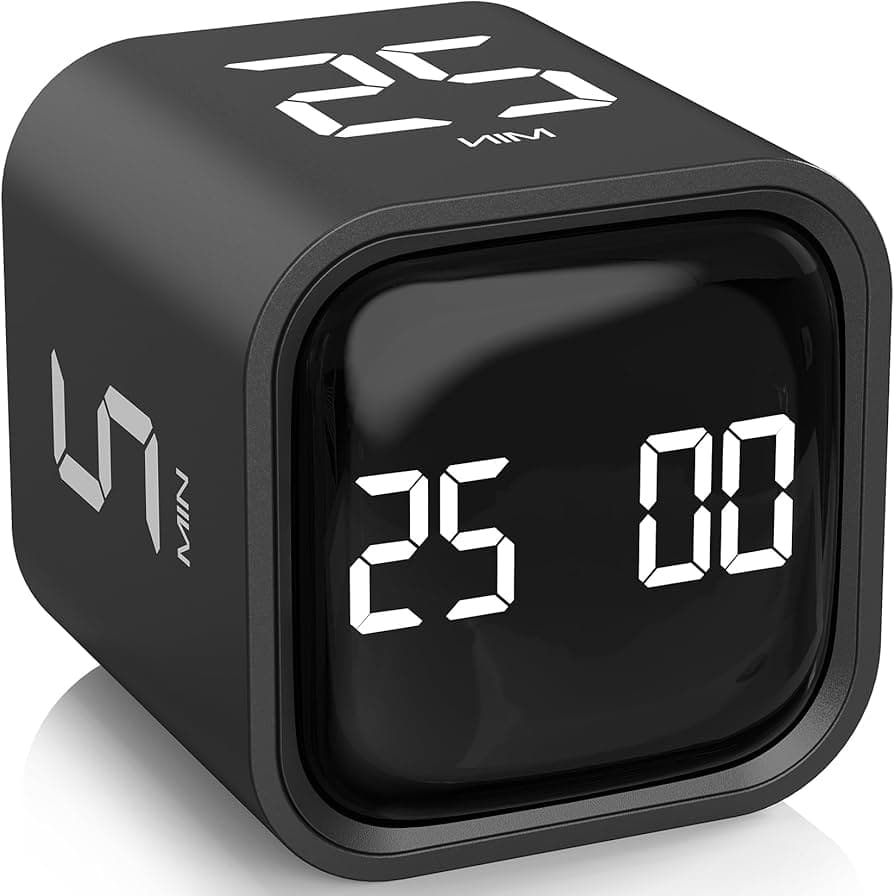
OORAII Store
Stay focused with a Pomodoro timer built for 25-minute deep work sessions and 5-minute breaks. Flip to start, stop, or reset instantly so you stay in flow and keep attention on the task, not the clock.
View Product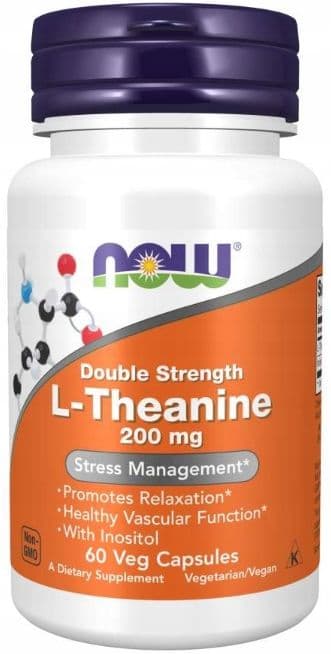
NOW Foods
L-Theanine 200 mg with inositol may support a calmer, more focused mental state by promoting relaxation without drowsiness, helping you stay steady, reduce stress, and maintain clearer attention during demanding tasks.
View ProductSome links are affiliate links. We may earn a commission at no extra cost to you.
Sources
- 1.Modafinil Tablets (Provigil®) — Cleveland Clinic, Cleveland Clinic Health Library, 2023 (updated page, date not explicitly stated)
- 2.Modafinil, an atypical CNS stimulant? — M. Hersey, G. Tanda, Advances in Pharmacology, 2024
- 3.Approved and investigational uses of modafinil: an evidence-based review — R. Kumar, Drugs, 2008
- 4.Mechanisms of modafinil: A review of current research — P. Gerrard, R. Malcolm, Neuropsychiatric Disease and Treatment, 2007
- 5.How Long Does Modafinil Stay in Your System? — Discover Health Group, Discover Health Group, 2023 (approx., webpage)
- 6.Modafinil: Past, Present and Future — C.A. Ballas, D. Kim, C.F. Baldassano, N. Hoeh, Expert Review of Neurotherapeutics, 2002
- 7.Mechanisms of modafinil (duplicate expanded review) — P. Gerrard, R. Malcolm, Neuropsychiatric Disease and Treatment, 2007
- 8.Modafinil: clinical experience and use in sleep disorders — M. Billiard, R. Broughton, Sleep Medicine, 2018
- 9.Effects of modafinil on dopamine and dopamine transporters in the human brain — N.D. Volkow et al., JAMA, 2009
- 10.Treatment interventions to improve cognitive performance in schizophrenia — A. Mayeli et al., Psychiatry Research, 2022
- 11.Modafinil in psychiatric disorders: the promising state reconsidered — L. Joos et al., Tijdschrift voor Psychiatrie, 2010
- 12.Effects of modafinil on cognition in schizophrenia — S. Morein-Zamir, D.C. Turner, B.J. Sahakian, Schizophrenia Bulletin, 2007
- 13.Modafinil for cognitive neuroenhancement in healthy subjects — R.M. Battleday, A.-K. Brem, European Neuropsychopharmacology, 2015
- 14.Cognitive effects of modafinil depend on IQ — D.C. Randall, J.M. Shneerson, S.E. File, Pharmacology Biochemistry and Behavior, 2005
- 15.Efficacy of modafinil as a cognitive enhancer: meta-analysis — M.A. Kredlow et al., Journal of Clinical Psychopharmacology, 2019
- 16.Modafinil side effects — Drugs.com Editorial Team, Drugs.com, 2024 (webpage)
- 17.Modafinil food and drug interactions — Drugs.com Editorial Team, Drugs.com, 2024 (webpage)
- 18.Effects of modafinil on brain resting state networks — R. Esposito et al., PLoS ONE, 2013
- 19.Modafinil dosage guide — Drugs.com Editorial Team, Drugs.com, 2024 (webpage)
- 20.Provigil interactions — Medical News Today, Medical News Today, 2024 (webpage)
- 21.Is Provigil a controlled substance? — Drugs.com Editorial Team, Drugs.com, 2024 (webpage)
- 22.Fatigue countermeasures in aviation — J.A. Caldwell et al., Aviation, Space, and Environmental Medicine, 2009