EMDR Therapy: How It Works, Benefits, Effectiveness, Risks and What to Expect
Discover how EMDR therapy works, who it may help, its potential benefits, what to expect during treatment, and the scientific evidence behind this widely used trauma therapy.

EMDR Therapy: What It Is, How It Works, Effectiveness, Risks, and What to Expect
Traumatic experiences can remain emotionally active long after the event itself has ended. A person may understand logically that they are safe, yet still experience flashbacks, panic, nightmares, intrusive thoughts, or intense emotional reactions triggered by reminders of the past. Eye Movement Desensitization and Reprocessing (EMDR) was developed to address this problem directly.
Today, EMDR is considered one of the most extensively researched trauma treatments available. It is recommended as a first-line treatment for post-traumatic stress disorder (PTSD) by organizations including the World Health Organization (WHO) and the U.S. Department of Veterans Affairs (VA).[1][2]
More than 150,000 therapists have been trained in EMDR worldwide, and millions of patients have received treatment.[3]
What Is EMDR?
EMDR stands for Eye Movement Desensitization and Reprocessing.
The therapy was developed by psychologist Francine Shapiro in 1987 after she noticed that specific eye movements appeared to reduce the emotional intensity of distressing thoughts. To test her observation, she conducted a controlled study and published the results in 1989.[4]
The study found that a single EMDR session significantly reduced distress associated with traumatic memories and altered participants' negative beliefs about those experiences. These improvements remained present at a three-month follow-up.[4]
Since then, EMDR has evolved into a structured psychotherapy approach consisting of eight phases and a standardized treatment framework.
Although eye movements gave the therapy its name, modern EMDR often uses other forms of bilateral stimulation, including alternating sounds and tactile tapping.[5]
Why Trauma Can Become "Stuck"
EMDR is based on the Adaptive Information Processing (AIP) model.[6]
According to AIP theory, most experiences are naturally processed and integrated into existing memory networks. Traumatic experiences can disrupt this process. Instead of being stored as ordinary memories, they may remain isolated along with the emotions, beliefs, physical sensations, and perceptions present during the original event.
Stress hormones appear to strengthen traumatic memories through memory reconsolidation processes.[7] Trauma can also increase activity in brain regions involved in threat detection while impairing the brain's ability to regulate emotional responses effectively.[8]
This helps explain why someone may continue reacting to a past event as if it is still happening.
Common symptoms include intrusive memories, flashbacks, nightmares, hypervigilance, emotional numbness, avoidance behaviors, anxiety, and panic reactions.
The goal of EMDR is to help the brain reprocess these memories so they become integrated rather than continuously reactivated.
How EMDR Works
During EMDR treatment, the client briefly activates a distressing memory while simultaneously engaging in bilateral stimulation.
Bilateral stimulation can involve:
- Side-to-side eye movements
- Alternating tactile taps
- Alternating audio tones
Researchers continue to debate the exact mechanism responsible for EMDR's effects.
One explanation involves working memory. Recalling a traumatic memory while performing another attention-demanding task may reduce the vividness and emotional intensity of that memory.
Another explanation involves psychological distancing. Research has shown that adopting a more distanced perspective while recalling traumatic experiences can reduce physiological stress responses, including heart rate and skin conductance activation.[9]
Regardless of the precise mechanism, EMDR appears to help individuals revisit traumatic memories while reducing their emotional impact and creating opportunities for new insights and adaptive beliefs.
The Eight Phases of EMDR
EMDR follows a structured eight-phase treatment protocol.[10]
1. History Taking
The therapist gathers background information, evaluates symptoms, and identifies treatment targets.
Targets typically include:
- Past experiences contributing to symptoms
- Current triggers
- Anticipated future challenges
2. Preparation
The client develops emotional regulation skills and learns techniques designed to maintain stability during processing.
3. Assessment
Specific aspects of the target memory are identified, including:
- The associated image
- Negative belief
- Desired positive belief
- Emotions
- Physical sensations
4. Desensitization
The memory is processed using bilateral stimulation.
Each set of bilateral stimulation typically lasts between 30 and 60 seconds.[5]
5. Installation
Positive beliefs are strengthened and linked to the processed memory.
6. Body Scan
The client checks for any remaining physical distress associated with the memory.
7. Closure
The session concludes with stabilization techniques and preparation for the period between sessions.
8. Reassessment
Progress is reviewed during subsequent sessions to evaluate treatment effects and identify additional targets.
What Happens During an EMDR Session?
EMDR sessions commonly last between 50 and 180 minutes depending on the therapist, treatment plan, and client needs.[5]
During processing, people frequently report:
- Emotional shifts
- Changes in body sensations
- New perspectives on past events
- Connections between previously unrelated memories
Unlike traditional talk therapy, the focus is less on analyzing experiences and more on allowing the brain to process them.
Many clients describe the experience as observing memories rather than reliving them.
What Conditions Can EMDR Treat?
The strongest evidence supports EMDR for PTSD and trauma-related disorders.
Research has also examined EMDR for:
- Complex PTSD
- Anxiety disorders
- Panic symptoms
- Phobias
- Trauma-related depression
- Grief and loss
- Chronic pain
- Psychotic disorders with trauma histories[11]
- Early intervention after traumatic events[12]
PTSD remains the condition for which EMDR has the largest evidence base.
How Long Does EMDR Take?
Treatment duration depends heavily on the complexity of the trauma history.
Individuals who experienced a single traumatic event often respond more quickly than those with repeated or developmental trauma.
Several studies have reported notable outcomes:
- 84% to 90% of single-trauma survivors no longer met PTSD criteria after approximately three EMDR sessions.[3]
- 77% of individuals with multiple traumatic experiences were PTSD-free after six sessions.[3][13]
- Approximately 78% of combat veterans experienced significant symptom reduction after twelve sessions.[3][14]
These figures should be interpreted carefully. Individual outcomes vary considerably based on trauma history, dissociation, psychiatric comorbidity, treatment adherence, and therapist expertise.
Complex trauma often requires significantly longer treatment than single-event trauma.
How Effective Is EMDR?
EMDR is one of the best-supported treatments for PTSD.
It is recommended by:
- World Health Organization (WHO)[1]
- U.S. Department of Veterans Affairs (VA)[2]
- Numerous international PTSD treatment guidelines
A 2024 individual participant data meta-analysis found EMDR performed similarly to other leading trauma-focused therapies, including Prolonged Exposure (PE) and Cognitive Processing Therapy (CPT).[15]
Research comparing EMDR with cognitive behavioral approaches has generally found:
- Similar reductions in PTSD symptoms
- Comparable long-term outcomes
- Similar remission rates
- Fewer treatment sessions required in many cases[3][15]
Economic analyses have also found EMDR to be cost-effective for PTSD treatment.[16]
EMDR Compared With Medication
Psychotherapy and medication are both commonly used for PTSD treatment.
One influential comparison found that 91% of EMDR patients were PTSD-free at follow-up compared with 72% of individuals treated with fluoxetine (Prozac).[17]
According to the U.S. National Center for PTSD, approximately 53 out of every 100 patients receiving trauma-focused psychotherapy will no longer meet PTSD criteria following treatment, compared with approximately 42 out of 100 receiving medication alone.[2]
Medication remains valuable for many individuals, particularly when symptoms are severe. However, trauma-focused psychotherapies often produce more durable improvements after treatment ends.[2]
Benefits of EMDR
Several characteristics have contributed to EMDR's popularity.
Potential benefits include:
- Significant reduction in PTSD symptoms
- Reduced emotional intensity of traumatic memories
- No requirement to describe every detail of the trauma
- Structured treatment process
- Potentially fewer sessions than some alternative therapies
- Durable treatment gains after therapy concludes
EMDR is now practiced in more than 130 countries worldwide.[3]
Side Effects and Risks
EMDR is generally considered safe when provided by a trained clinician.[1][2]
Temporary side effects can occur during treatment.
Commonly reported reactions include:
- Fatigue
- Vivid dreams
- Emotional sensitivity
- Temporary increases in distress
- Headaches
- Dizziness
- Nausea[18]
These symptoms typically resolve within 24 to 48 hours.[18]
A 2026 review highlighted an important limitation in the EMDR literature. Researchers found that only 9 of 51 randomized controlled trials explicitly reported adverse effects, and only one study used structured monitoring procedures.[19]
Most reported adverse effects were mild and temporary, but researchers emphasized the need for better safety monitoring and reporting standards.[19]
Common Pitfalls
Several factors can reduce the effectiveness of EMDR treatment.
Inadequate Stabilization
Clients with severe dissociation, active crises, or limited emotional regulation skills often benefit from extensive preparation before trauma processing begins.
Unrealistic Expectations
Some people expect dramatic results after a single session.
Although rapid improvements can occur, meaningful recovery often requires multiple sessions.
Insufficient Therapist Training
EMDR is a specialized treatment approach. Therapist training and experience can significantly influence outcomes.
Treating Complex Trauma Like Single-Event Trauma
A single traumatic incident and decades of developmental trauma require different treatment strategies and timelines.
Finding a Qualified EMDR Therapist
When evaluating a therapist, consider:
- Formal EMDR training
- EMDR certification status
- Experience treating trauma disorders
- Experience working with dissociation and complex PTSD when relevant
The EMDR International Association maintains a directory of trained EMDR therapists.[20]
Conclusion
EMDR has progressed from an observation made by Francine Shapiro in 1987 to one of the most extensively studied trauma treatments available today.
Major health organizations recommend it. Multiple randomized trials support its use. Research consistently shows meaningful reductions in PTSD symptoms, with some studies reporting remission rates exceeding 75% after relatively brief treatment courses.[1][2][13][15]
The strongest evidence supports EMDR for PTSD, though research continues to expand into anxiety disorders, grief, chronic pain, psychosis, and early trauma intervention.
EMDR is not a quick fix, and it is not appropriate for every situation. Individuals with complex trauma histories often require careful preparation and longer treatment plans. When delivered by a properly trained clinician, however, EMDR offers a structured and evidence-based approach that has helped millions of people reduce the lasting impact of traumatic memories.
Frequently asked questions
- Does EMDR really work?
Yes. EMDR is supported by numerous randomized controlled trials and is recommended by organizations including the World Health Organization and the U.S. Department of Veterans Affairs.[1][2]
- How many EMDR sessions are usually needed?
It depends on the complexity of the trauma. Some single-event trauma survivors experience significant improvement within three to six sessions, while complex trauma may require months of treatment.[3][13]
- Is EMDR better than CBT?
Research generally finds EMDR and trauma-focused CBT produce similar PTSD outcomes. EMDR often achieves those outcomes in fewer sessions and without extensive homework assignments.[15]
- Can EMDR make symptoms worse?
Temporary increases in emotional distress, vivid dreams, fatigue, or emotional sensitivity can occur during treatment. These reactions are usually short-lived.[18][19]
- What are the most common side effects?
The most frequently reported side effects include fatigue, vivid dreams, headaches, dizziness, nausea, and temporary emotional distress.[18]
- Is EMDR safe?
Current evidence suggests EMDR is generally safe when delivered by a trained clinician. Researchers continue to call for more systematic monitoring of adverse effects in clinical trials.[19]
- Can EMDR be done online?
Yes. Research suggests remote online EMDR can produce outcomes comparable to in-person treatment for many patients.[21]
- Can I do EMDR by myself?
Self-guided EMDR techniques exist, but professional supervision is recommended, especially for PTSD, complex trauma, dissociation, or severe emotional reactions.[22]
- Is EMDR covered by insurance?
Coverage varies depending on the country, insurer, and therapist credentials. Many insurance plans cover EMDR when delivered by licensed mental health professionals.
- How do I find a qualified EMDR therapist?
The EMDR International Association (EMDRIA) maintains a therapist directory that allows users to search for trained and certified EMDR practitioners.[20]
Discover more about EMDR
Explore recommended books on EMDR therapy and trauma recovery, covering how the approach works, its clinical use, and insights from mental health professionals.
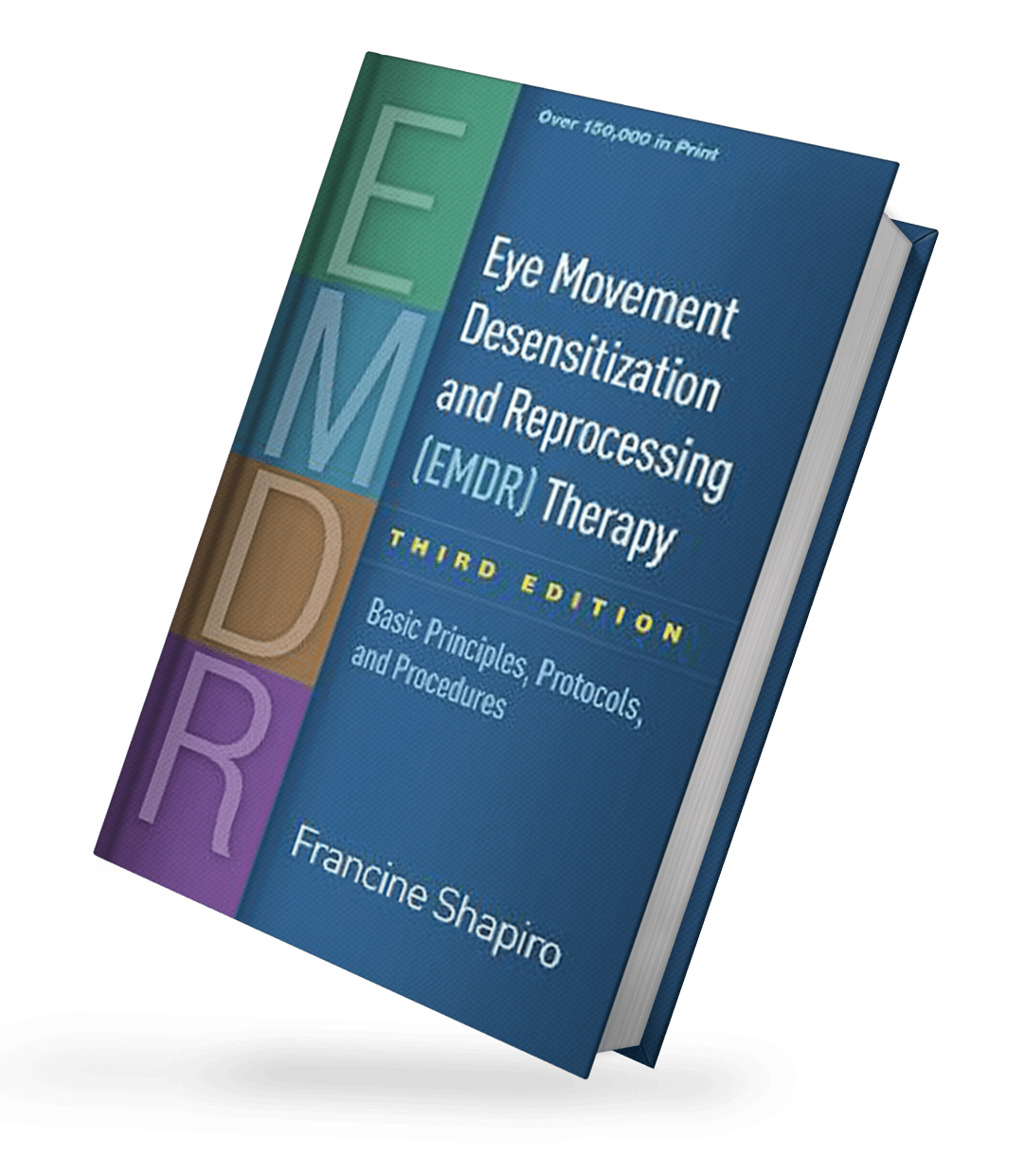
The Gullford Press
EMDR founder Francine Shapiro explains the theory, research, and eight phases of treatment in this updated guide to trauma, PTSD, anxiety, depression, and other clinical applications.
View Product
Workman Publishing Company
Introduction to EMDR therapy. Through science, case examples, and practical guidance, this book explains how trauma affects the brain and how EMDR can help people heal and move forward.
View Product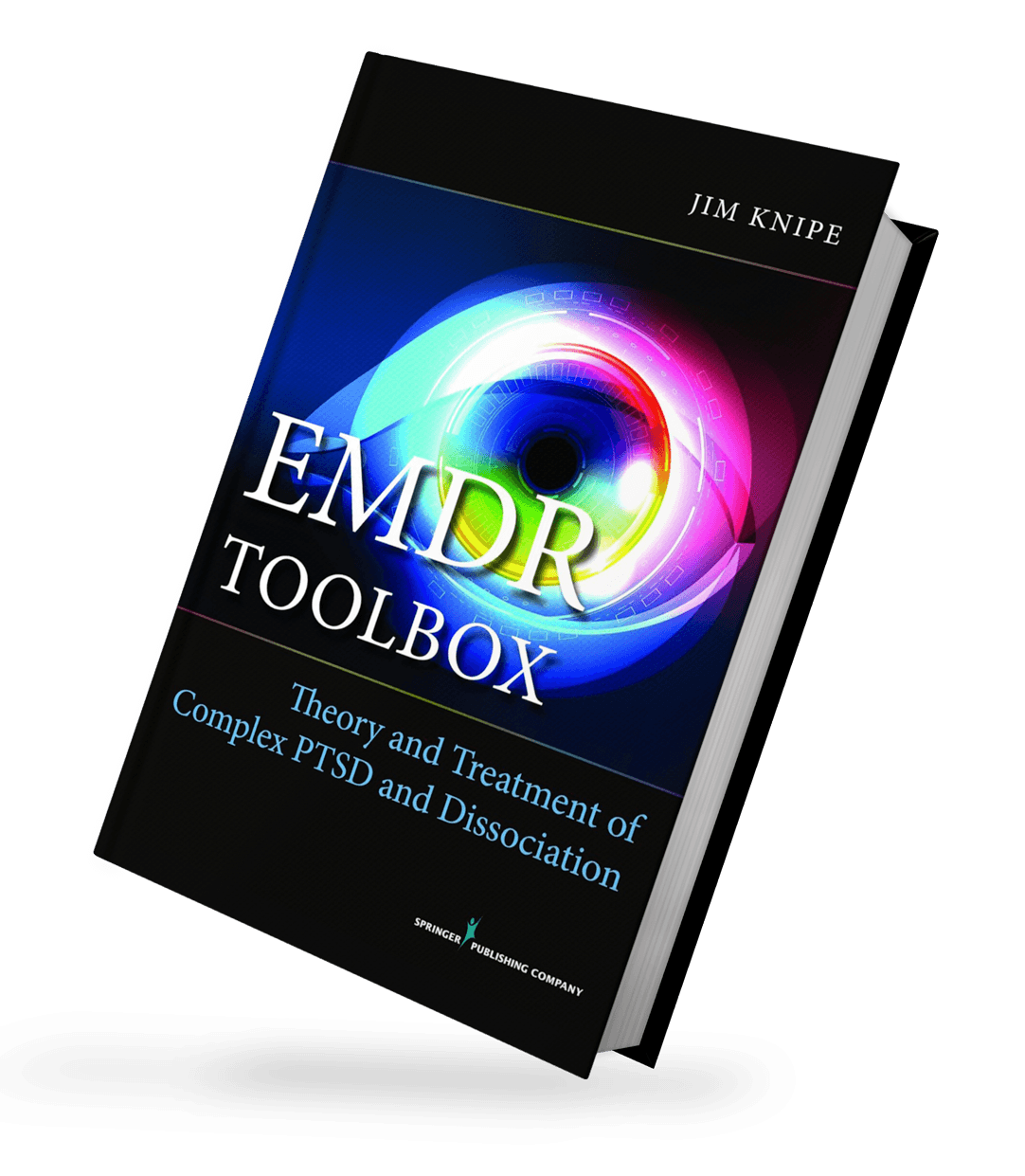
Springer Publishing Company
A practical EMDR resource for clinicians working with complex PTSD and dissociation. Packed with case studies, treatment scripts, and advanced EMDR techniques to support challenging trauma presentations.
View ProductSome links are affiliate links. We may earn a commission at no extra cost to you.
Sources
- 1.Guidelines for the Management of Conditions Specifically Related to Stress — World Health Organization, World Health Organization , 2013
- 2.EMDR for PTSD Clinical Guidelines — U.S. Department of Veterans Affairs, National Center for PTSD , National Center for PTSD
- 3.EMDR Statistics 2026 — South Denver Therapy , South Denver Therapy, 2026
- 4. Efficacy of the Eye Movement Desensitization Procedure in the Treatment of Traumatic Memories — Francine Shapiro, Journal of Traumatic Stress, 2(2), 199–223 , 1989
- 5.About EMDR Therapy — EMDR International Association (EMDRIA) , EMDRIA
- 6.Adaptive Information Processing Theory: Origins, Principles, Applications, and Evidence — Mark D. Hill, Journal of Evidence-Based Social Work, 17(3), 317–331 , 2020
- 7.Why Traumatic Memories Can Be Difficult to Forget — Michigan Medicine , Michigan Medicine
- 8.How Trauma Affects Brain Processing — Ubie Health Editorial Team, Ubie Health
- 9.Self-Distancing from Trauma Memories Reduces Physiological but Not Subjective Emotional Reactivity Among Veterans with PTSD — Beth E. Wisco, Brian P. Marx, Denise M. Sloan, Katherine R. Gorman, Allison L. Kulish, Stacey L. Pineles **Year:** 2015 , Clinical Psychological Science, 3(6), 956–963 , 2015
- 10.The Role of Eye Movement Desensitization and Reprocessing (EMDR) Therapy in Medicine: Addressing the Psychological and Physical Symptoms Stemming from Adverse Life Experiences — Francine Shapiro, The Permanente Journal, 18(1), 71–77 , 2014
- 11.EMDR for PTSD with Co-Occurring Psychotic Disorders — Samara Every-Palmer et al., PubMed Indexed Study, 2024
- 12.Efficacy of EMDR for Early Intervention After a Traumatic Event — Antonio Torres-Giménez et al., Journal of Psychiatric Research , 2024
- 13.PTSD Outcome Study Reporting 77% Remission After Six EMDR Sessions — Bessel van der Kolk et al. , Journal of Clinical Psychiatry , 2007
- 14.Eye Movement Desensitization and Reprocessing (EMDR) Treatment for Combat-Related PTSD — John G. Carlson, Richard Chemtob, Steven Rusnak, Pamela Hedlund, Yvette Muraoka, Journal of Traumatic Stress , 1998
- 15.EMDR v. Other Psychological Therapies for PTSD: A Systematic Review and Individual Participant Data Meta-Analysis — L. A. Wright et al., Psychological Medicine, 2024
- 16.Cost-Effectiveness of Psychological Treatments for PTSD in Adults — Irene Mavranezouli et al., PLOS One , 2020
- 17.EMDR versus Fluoxetine in the Treatment of PTSD — Bessel van der Kolk et al., Journal of Clinical Psychiatry , 2007
- 18.Risks and Side Effects of EMDR Therapy — Waterside Behavioral Health , Waterside Behavioral Health
- 19.Adverse Effects of Eye Movement Desensitization and Reprocessing Therapy: A Neglected but Urgent Area of Inquiry — Kevin van Schie, Suzanne C. van Veen , Current Opinion in Psychology, Volume 67, Article 102155 , 2026
- 20.Find an EMDR Therapist Directory — EMDR International Association (EMDRIA) , EMDRIA
- 21.A Multisite Retrospective Review Exploring the Delivery of EMDR Therapy to Veterans via Telehealth Versus In Person — C. L. D. Fairbanks, E. A. Penix-Smith, S. C. Glitsos, et al., Psychological Trauma: Theory, Research, Practice, and Policy, 18(3), 659–670 , 2025
- 22.Can You Do EMDR Yourself? — Therapy Evolved , Therapy Evolved
Related articles
What Is Ketamine Therapy? Uses, Benefits, Risks & Who It's For
Jul 3, 2026 · 12 min read

Mentalization-Based Therapy (MBT): What It Is, How It Works, and Who It Helps
Jul 2, 2026 · 9 min read

Dialectical Behavior Therapy (DBT): Evidence-Based Uses, Effectiveness and Benefits, and Who It Helps
Jun 28, 2026 · 7 min read