What Is Ketamine Therapy? Uses, Benefits, Risks & Who It's For
Discover how ketamine therapy is used to treat treatment-resistant depression and other mental health and chronic pain conditions. Learn about its benefits, risks, who may be a candidate, and what to expect during treatment.
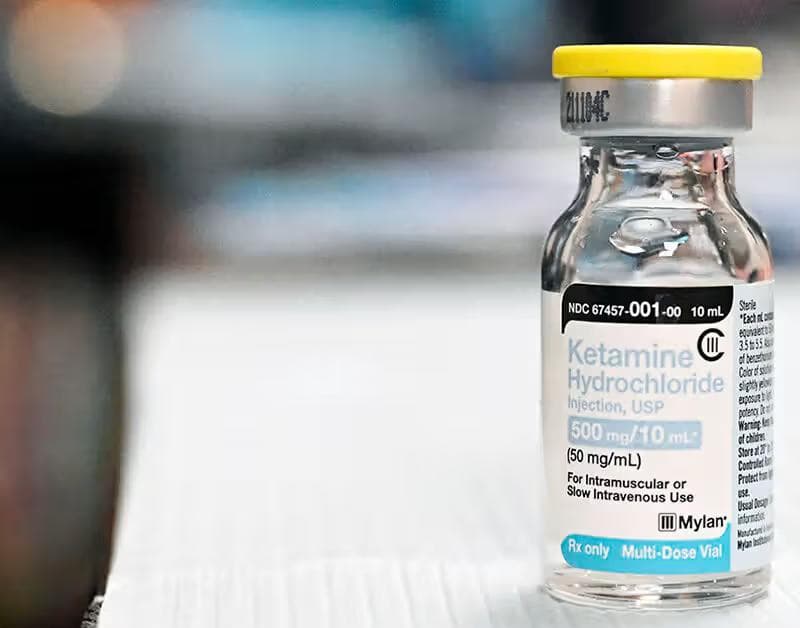
Ketamine therapy has emerged as one of the most talked-about developments in modern mental health treatment. Originally introduced as an anaesthetic in the 1960s, ketamine is now being used in carefully controlled medical settings to help people living with severe depression, treatment-resistant mental illness, chronic pain, and several other complex conditions. Unlike traditional antidepressants, which often take weeks to produce noticeable improvements, ketamine can begin relieving symptoms within hours or days for some patients.[1][2][3]
Researchers believe ketamine works by targeting different pathways in the brain than conventional antidepressants. Instead of primarily affecting serotonin or other monoamine neurotransmitters, ketamine acts on the brain's glutamate system, encouraging the formation of new neural connections and improving communication between brain cells. This unique mechanism has made it an important area of research for conditions where existing treatments have limited success.[2][3]
Although ketamine therapy has shown promising results, it is not considered a cure for mental illness. Treatment is typically provided as part of a broader care plan that may include psychotherapy, medication management, and ongoing support from qualified healthcare professionals. Like any medical treatment, ketamine therapy also carries potential risks, side effects, and limitations that should be carefully considered before starting treatment.[1][8]
This guide explains how ketamine therapy works, the conditions it may help treat, the different treatment methods available, its potential benefits and risks, and what patients can expect throughout the treatment process.
What Is Ketamine Therapy?
Ketamine therapy is a medical treatment that uses ketamine hydrochloride under professional supervision to help manage certain mental health disorders and chronic pain conditions. While ketamine has long been used as a safe and effective anaesthetic during surgery and emergency medicine, lower doses have been found to produce rapid antidepressant and mood-improving effects in some individuals.[1][2]
The treatment is most commonly offered to people whose symptoms have not improved after trying conventional therapies. This includes individuals with treatment-resistant depression, severe anxiety disorders, post-traumatic stress disorder (PTSD), obsessive-compulsive disorder (OCD), and some chronic pain conditions. Research is also exploring its potential role in treating bipolar depression, eating disorders, and substance use disorders, although evidence for these applications is still developing.[4]
Ketamine works differently from traditional antidepressants because it primarily targets the brain's glutamate system. Glutamate is the brain's most abundant excitatory neurotransmitter and plays an essential role in learning, memory, mood regulation, and communication between nerve cells. By temporarily blocking N-methyl-D-aspartate (NMDA) receptors, ketamine triggers a series of biological changes that increase activity at AMPA receptors and stimulate the release of brain-derived neurotrophic factor (BDNF). These changes encourage neuroplasticity—the brain's ability to form, strengthen, and repair neural connections—which is believed to contribute to ketamine's rapid antidepressant effects.[2][3]
Unlike many conventional antidepressants that may require four to eight weeks before noticeable improvements occur, some patients receiving ketamine therapy experience relief from depressive symptoms or suicidal thoughts within hours or the first few days following treatment. Although these effects are often temporary, repeated treatment sessions combined with ongoing mental health care may help extend the benefits for suitable patients.[2][9]
Ketamine therapy is administered only in controlled clinical environments where patients are closely monitored throughout the session. Healthcare providers observe vital signs, manage any temporary side effects such as dissociation or increased blood pressure, and ensure patients recover safely before returning home. This medical supervision helps maximise safety while allowing treatment plans to be tailored to each individual's needs.[1][8]
Many people describe ketamine therapy as an important option when standard treatments have not provided sufficient relief. However, healthcare professionals generally view it as one component of a comprehensive treatment strategy rather than a standalone solution. Continuing psychological therapy, healthy lifestyle habits, and regular medical follow-up remain essential for achieving the best long-term outcomes.[1][8]
How Does Ketamine Therapy Work?
Ketamine produces its therapeutic effects through a mechanism that differs significantly from conventional antidepressants. While most antidepressant medications primarily target serotonin, norepinephrine, or dopamine, ketamine acts mainly on the brain's glutamate system, which plays a critical role in learning, memory, mood regulation, and communication between neurons.[2][3]
At the centre of this process is the N-methyl-D-aspartate (NMDA) receptor, a specialised receptor that helps regulate glutamate activity. Ketamine temporarily blocks these receptors, particularly those located on inhibitory gamma-aminobutyric acid (GABA) interneurons. This reduces inhibitory signalling and allows glutamate levels to briefly increase within parts of the brain associated with mood regulation, particularly the prefrontal cortex.[3]
This temporary increase in glutamate activates another receptor known as the alpha-amino-3-hydroxy-5-methyl-4-isoxazolepropionic acid (AMPA) receptor. Increased AMPA receptor activity triggers several intracellular signalling pathways that promote the growth and strengthening of synaptic connections between brain cells.[3]
One of the most important biological responses involves increasing the production of brain-derived neurotrophic factor (BDNF), a protein that supports neuron growth, repair, and survival. Ketamine also activates the mammalian target of rapamycin complex 1 (mTORC1) pathway, which helps generate new synaptic proteins and strengthens communication between neurons. Together, these processes encourage neuroplasticity, allowing the brain to rebuild neural networks that may have been weakened by chronic stress or depression.[2][3]
Researchers believe these rapid structural changes help explain why ketamine can improve depressive symptoms much faster than traditional antidepressants. Instead of gradually altering neurotransmitter levels over several weeks, ketamine appears to restore healthy neural communication within hours or days after treatment in some patients.[3][9]
The effects are generally not permanent after a single treatment. While many patients experience noticeable improvements soon after an infusion, symptoms may gradually return over several days or weeks without additional treatment. For this reason, many treatment plans involve an initial series of ketamine sessions followed by maintenance treatments when clinically appropriate.[1][9]
Ketamine can be administered in several different ways, with each method affecting how quickly it enters the bloodstream and how much of the medication becomes available to the body. Intravenous administration provides the highest bioavailability because the medication enters the bloodstream directly, whereas oral formulations undergo significant metabolism before reaching circulation, reducing the amount available for therapeutic effects.[3]
Although scientists have developed a strong understanding of ketamine's primary mechanisms, research continues to explore additional pathways that may contribute to its antidepressant effects. Some studies suggest ketamine may also influence opioid receptors, inflammatory pathways, glycogen synthase kinase-3 (GSK-3), and other cellular signalling systems, though these mechanisms remain under investigation.[3]
Types of Ketamine Therapy
Several forms of ketamine therapy are available, each differing in how the medication is administered, how quickly it takes effect, and the medical conditions it is commonly used to treat. The most appropriate option depends on an individual's diagnosis, treatment goals, medical history, and the recommendations of their healthcare provider.[1][3]
Intravenous (IV) Ketamine Therapy
Intravenous (IV) ketamine is the most widely studied and commonly used method for treating mental health conditions. During treatment, ketamine is delivered directly into a vein through an infusion that typically lasts between 40 and 60 minutes. Because the medication enters the bloodstream immediately, IV administration offers nearly 100% bioavailability and allows clinicians to carefully control the dosage throughout the session.[3]
Patients remain under continuous medical supervision while their heart rate, blood pressure, and overall wellbeing are monitored. IV ketamine has been used extensively in research investigating treatment-resistant depression, suicidal ideation, PTSD, and several chronic pain conditions.[1][3]
Intramuscular (IM) Ketamine Therapy
Intramuscular ketamine is administered through an injection into a large muscle, usually in the upper arm or thigh. This method does not require an intravenous line while still providing relatively rapid absorption into the bloodstream.[3]
Some clinics prefer IM injections because they are simpler to administer and may be more convenient for certain patients. Research has also examined intramuscular ketamine for anxiety disorders and other treatment-resistant mental health conditions, with encouraging early findings, although the evidence base remains smaller than for IV therapy.[4]
Intranasal Esketamine (Spravato)
Intranasal esketamine, marketed under the brand name Spravato, is a prescription nasal spray containing esketamine, a modified form of ketamine. Unlike intravenous ketamine, Spravato has received regulatory approval in several countries for adults with treatment-resistant depression when used alongside an oral antidepressant.[1]
Treatment takes place in certified healthcare facilities where patients self-administer the nasal spray under medical supervision before remaining under observation for at least two hours to monitor for temporary side effects such as dissociation, dizziness, sedation, or increased blood pressure.[1]
Oral and Sublingual Ketamine
Some healthcare providers prescribe ketamine as oral tablets or sublingual lozenges that dissolve beneath the tongue. These formulations are generally easier to administer than injections or infusions and may be used as maintenance treatment in selected patients.[3]
However, oral ketamine has significantly lower bioavailability because much of the medication is broken down by the liver before reaching the bloodstream. As a result, higher doses are often required to achieve therapeutic effects, and responses can vary more between individuals compared with intravenous administration.[3]
Although research into oral and sublingual ketamine continues to grow, these approaches currently have less high-quality evidence supporting their effectiveness than intravenous treatment.[3]
What Conditions Can Ketamine Therapy Treat?
Ketamine therapy is best known for its use in treating treatment-resistant depression (TRD), but research over the past two decades has explored its potential in several other mental health and chronic pain conditions. While some uses are supported by strong clinical evidence, others remain investigational and require further study before becoming routine treatment options.[1][4]
It is important to note that ketamine therapy is generally recommended only after standard treatments have proven ineffective or have produced intolerable side effects. Healthcare providers carefully assess each patient to determine whether the potential benefits outweigh the risks before treatment begins.[1][8]
Treatment-Resistant Depression
Treatment-resistant depression is the most established use of ketamine therapy. The condition is typically diagnosed when an individual has not experienced sufficient improvement after trying at least two different antidepressant medications at appropriate doses and durations.[1]
Unlike conventional antidepressants that often require several weeks before symptoms begin to improve, ketamine has demonstrated the ability to reduce depressive symptoms within hours or days following treatment. Clinical studies have shown significant reductions in depression scores after low-dose ketamine infusions, making it one of the fastest-acting antidepressant treatments currently available.[9][10]
Researchers believe these rapid improvements occur because ketamine promotes the restoration of neural connections damaged by chronic stress and depression, rather than simply increasing neurotransmitter levels as many traditional medications do.[2][3][10]
Suicidal Ideation
One of ketamine's most significant clinical benefits is its ability to rapidly reduce suicidal thoughts in some patients experiencing severe depression. Traditional antidepressants may take several weeks to produce meaningful improvements, whereas ketamine has demonstrated reductions in suicidal ideation within hours of administration in certain individuals.[8][10]
Although ketamine is not considered a long-term solution for suicide prevention, it may provide a valuable opportunity for patients to stabilise while additional treatments such as psychotherapy and medication adjustments begin to take effect.[8]
Post-Traumatic Stress Disorder (PTSD)
Researchers have increasingly investigated ketamine as a potential treatment for post-traumatic stress disorder. PTSD affects how the brain processes traumatic memories and emotional responses, often leading to persistent anxiety, intrusive thoughts, flashbacks, and emotional distress.
Early clinical studies suggest ketamine may reduce PTSD symptoms by promoting neuroplasticity and strengthening neural circuits involved in emotional regulation. While the available evidence is encouraging, researchers continue to study the most effective treatment schedules and long-term outcomes before ketamine becomes a standard PTSD treatment.[2][4]
Anxiety Disorders
Ketamine has also shown promise in treating several anxiety disorders, particularly when symptoms have not responded to conventional therapies.
Studies involving individuals with generalised anxiety disorder (GAD) and social anxiety disorder have reported meaningful reductions in anxiety symptoms following ketamine treatment. Some participants experienced a 50% or greater reduction in anxiety and fearfulness after treatment, with improvements lasting several days in certain cases.[4]
Although these findings are encouraging, researchers emphasise that larger clinical trials are still needed to determine the optimal dosing schedules and identify which patients are most likely to benefit.[4]
Obsessive-Compulsive Disorder (OCD)
Obsessive-compulsive disorder remains challenging to treat for some patients despite the availability of medications and psychological therapies. Recent clinical research has investigated whether ketamine may help reduce obsessive thoughts and compulsive behaviours in people with treatment-resistant OCD.
A double-blind crossover study found that ketamine produced greater reductions in OCD symptom severity than the comparison treatment, with improvements appearing within the first few hours after administration. However, some participants discontinued treatment because they experienced dissociative side effects, highlighting the importance of careful medical supervision.[5]
Bipolar Depression
People living with bipolar disorder often experience depressive episodes that are difficult to manage using existing medications alone. Researchers have investigated ketamine as an additional treatment alongside mood stabilisers or other established therapies rather than as a replacement.
Systematic reviews suggest ketamine may rapidly reduce depressive symptoms in treatment-resistant bipolar depression, although careful monitoring is essential because clinicians must minimise the risk of triggering manic episodes. More long-term research is needed before ketamine becomes a routine treatment option for bipolar disorder.[4]
Eating Disorders
Interest has also grown in exploring ketamine therapy for eating disorders, particularly among patients who have not responded to standard treatments.
An early clinical study reported improvements in eating behaviours and weight acceptance following ketamine treatment in some participants. While these findings are encouraging, the available research remains limited, and ketamine is currently considered an experimental approach rather than a standard treatment for eating disorders.[4]
Chronic Pain
Beyond mental health, ketamine has long been used to manage certain chronic pain conditions because of its anaesthetic and pain-relieving properties. By blocking NMDA receptors involved in pain signalling, ketamine may help reduce pain intensity and improve quality of life in selected patients living with complex pain disorders.
Specialist pain clinics may use ketamine infusions for conditions such as complex regional pain syndrome (CRPS), neuropathic pain, and other chronic pain syndromes when conventional pain management strategies have not provided adequate relief.[1][2]
Benefits of Ketamine Therapy
Ketamine therapy has attracted considerable attention because it offers several advantages over many conventional treatments for severe depression and other difficult-to-treat conditions. Although results vary between individuals, research has identified several potential benefits when treatment is delivered under appropriate medical supervision.[1][4]
Rapid Relief of Symptoms
Perhaps the most distinctive benefit of ketamine therapy is its speed of action. Traditional antidepressants often require four to eight weeks before patients notice meaningful improvements, whereas ketamine may begin reducing depressive symptoms within hours or the first few days after treatment.[9][10]
This rapid response can be particularly valuable for individuals experiencing severe depression or suicidal thoughts, where immediate symptom relief may provide an important window for further treatment and recovery.[8][10]
Improved Neuroplasticity
Unlike medications that primarily alter neurotransmitter levels, ketamine appears to encourage the brain to form new neural connections through increased neuroplasticity. By stimulating pathways involving glutamate, AMPA receptors, BDNF, and mTOR signalling, ketamine may help repair communication between brain cells that has been disrupted by chronic stress and depression.[2][3]
These biological changes are thought to contribute to improvements in mood, emotional regulation, cognitive function, and resilience over time.[2][3]
Hope for Treatment-Resistant Patients
Many individuals seeking ketamine therapy have already tried multiple medications, psychological therapies, or other interventions without achieving lasting symptom relief. For these patients, ketamine may offer an alternative when conventional treatment options have been exhausted.[1][10]
Although not everyone responds to treatment, clinical studies consistently demonstrate meaningful improvements in a substantial proportion of patients with treatment-resistant depression.[9][10]
Better Daily Functioning
Qualitative research has found that many patients report improvements extending beyond reduced depressive symptoms. Participants have described increased motivation, greater social engagement, improved concentration, renewed interest in daily activities, and an overall improvement in quality of life following treatment.[6]
While individual experiences vary, many patients also highlight the importance of supportive healthcare professionals and ongoing psychological care in helping them maintain these positive changes over time.[6]
May Complement Other Treatments
Ketamine therapy is rarely used as a standalone intervention. Instead, it is commonly combined with psychotherapy, antidepressant medication, lifestyle changes, and ongoing psychiatric care. Some clinicians believe that the period of improved mood and increased neuroplasticity following ketamine treatment may enhance a patient's ability to engage with psychological therapies and establish healthier coping strategies.[1][8]
As research continues, ketamine is becoming an increasingly valuable option within comprehensive mental health treatment plans, particularly for individuals whose symptoms have remained difficult to manage using conventional approaches alone.[4]
Who Is a Good Candidate for Ketamine Therapy?
Ketamine therapy is generally considered for people who have not achieved sufficient symptom relief through conventional treatments. While it is not a first-line therapy, it may provide an alternative for individuals living with severe or persistent mental health conditions that continue to affect their quality of life despite multiple treatment attempts.[1][7]
The most common candidates are adults with treatment-resistant depression (TRD), meaning they have tried at least two antidepressant medications at appropriate doses and durations without experiencing meaningful improvement.[1] For these individuals, ketamine may offer faster symptom relief than traditional antidepressants, particularly when depressive symptoms are severe.[9][10]
People experiencing major depressive disorder with suicidal thoughts may also be considered for ketamine therapy in carefully monitored clinical settings. Research has shown that ketamine can reduce suicidal ideation much more rapidly than conventional antidepressants, making it a valuable option during mental health crises while longer-term treatments begin to take effect.[8][10]
Ketamine therapy may also be appropriate for selected patients with other treatment-resistant conditions, including: Post-traumatic stress disorder (PTSD) Generalised anxiety disorder (GAD) Social anxiety disorder Obsessive-compulsive disorder (OCD) Bipolar depression Certain chronic pain conditions, including neuropathic pain and complex regional pain syndrome (CRPS)[1][4]
Because evidence for some of these conditions is still emerging, healthcare providers carefully assess each patient on an individual basis before recommending treatment. Factors such as overall physical health, psychiatric history, current medications, previous treatment responses, and potential risks all contribute to determining whether ketamine therapy is appropriate.[1][4]
Candidates should also understand that ketamine therapy is rarely used on its own. Most specialists recommend combining treatment with ongoing psychiatric care, psychotherapy, healthy lifestyle changes, and regular follow-up appointments to improve long-term outcomes.[1][6]
Who Should Avoid Ketamine Therapy?
Although ketamine therapy is considered safe for many people when administered by trained healthcare professionals, it is not suitable for everyone. Certain medical conditions and personal circumstances may increase the likelihood of adverse effects or reduce the safety of treatment.[7][11]
Individuals with a history of psychosis or schizophrenia are generally not considered suitable candidates because ketamine's dissociative effects may worsen hallucinations, delusions, or other psychotic symptoms.[7]
People with a history of substance use disorder may also require additional caution. Ketamine can produce feelings of euphoria in some individuals, and repeated misuse has been associated with dependence and ketamine use disorder. Healthcare providers carefully evaluate these risks before recommending treatment.[7]
Pregnant or breastfeeding individuals are usually advised to avoid ketamine therapy because there is currently insufficient evidence regarding its long-term safety for the developing fetus or infant.[7]
Additional caution may be required for: Adolescents, whose brains are still developing. Older adults experiencing dementia or significant cognitive impairment. Individuals with uncontrolled high blood pressure or serious cardiovascular disease. Patients with certain neurological or medical conditions that could increase treatment risks.[7][11]
Healthcare providers also carefully review all medications a patient is taking before treatment begins, as some drugs may interact with ketamine or affect how well it works.
Ultimately, determining eligibility requires a comprehensive medical and psychiatric assessment rather than a diagnosis alone. The goal is to ensure that potential benefits outweigh the possible risks for each individual patient.[1][7]
What to Expect During a Ketamine Therapy Session
Before beginning treatment, patients undergo a detailed medical assessment to confirm that ketamine therapy is appropriate for their condition. This evaluation typically includes a review of medical history, current medications, previous mental health treatments, physical health, and any factors that could increase treatment risks.[1]
On the day of treatment, patients are usually advised to avoid eating for several hours beforehand, depending on the clinic's protocol. After arriving, healthcare professionals record baseline measurements such as blood pressure, heart rate, and oxygen levels before treatment begins.[1]
For intravenous therapy, a small catheter is inserted into a vein, allowing ketamine to be administered slowly over approximately 40 to 60 minutes. Other treatment methods, such as intramuscular injections or intranasal esketamine, follow different administration procedures but are also performed under medical supervision.[1][3]
During treatment, many patients remain awake but experience temporary changes in perception. Common sensations include deep relaxation, altered awareness of time, vivid thoughts, heightened sensory experiences, or a feeling of being detached from the body or surrounding environment. These dissociative effects are expected and usually fade shortly after treatment ends.[1][8]
Throughout the session, healthcare professionals continuously monitor blood pressure, heart rate, breathing, and overall wellbeing. If any side effects become uncomfortable, clinicians can provide reassurance, adjust treatment when appropriate, or discontinue the infusion if necessary.[11]
Following treatment, patients remain under observation until the immediate effects have worn off. Most clinics recommend arranging transport home, as driving or operating machinery is not considered safe for the remainder of the day due to possible drowsiness, dizziness, or temporary cognitive impairment.[1][7]
While some individuals notice improvements in mood within hours, others require several treatment sessions before experiencing significant benefits. Treatment plans are personalised, with many clinics providing an initial course of multiple sessions followed by maintenance treatments if clinically indicated.[1][9]
Potential Risks and Side Effects
Like any medical treatment, ketamine therapy carries potential risks and side effects. Most reactions occur during or shortly after treatment, are temporary, and resolve without lasting complications. However, patients should be fully informed of the possible effects before beginning therapy and should only receive treatment under the supervision of qualified healthcare professionals.[1][7][11]
One of the most common effects is dissociation, which can make individuals feel detached from their thoughts, body, or surroundings. Some people describe this as feeling dream-like or as though they are observing themselves from outside their body. While many patients tolerate these sensations well, others may find them unsettling or emotionally intense. In most cases, dissociative effects gradually disappear within an hour or two after treatment ends.[7][11]
Temporary increases in blood pressure and heart rate are also common during ketamine administration. For most healthy individuals these changes are short-lived and carefully monitored by clinicians, but they may present additional risks for patients with uncontrolled hypertension or serious cardiovascular disease.[8][11]
Other commonly reported side effects include: Dizziness or light-headedness Nausea and vomiting Blurred or altered vision Drowsiness or sedation Headache Confusion or disorientation Reduced coordination Temporary changes in hearing or visual perception[7][8]
Because ketamine can temporarily impair judgement, coordination, and reaction time, patients are advised not to drive, operate machinery, or make important decisions until the effects have completely worn off. Most clinics require patients to arrange transportation home following treatment.[1][7]
Although uncommon in supervised medical settings, ketamine can occasionally produce unpleasant psychological experiences. Some individuals report increased anxiety, frightening thoughts, or feelings of panic during treatment. Healthcare providers remain present throughout the session to provide reassurance and intervene if necessary.[6][11]
Repeated misuse of ketamine outside medical supervision has also been associated with more serious health problems, including bladder damage, memory impairment, cognitive difficulties, and dependence. These complications are primarily linked to recreational or frequent non-medical use rather than carefully controlled therapeutic dosing, but they highlight the importance of receiving treatment only through reputable medical providers.[7]
Current research suggests ketamine therapy is generally well tolerated when administered appropriately, although scientists continue to investigate its long-term safety. As ketamine becomes more widely used in mental health care, ongoing studies will provide a clearer understanding of the risks associated with repeated treatment over many years.[2][7]
How Effective Is Ketamine Therapy?
Ketamine therapy has demonstrated encouraging results, particularly for people with treatment-resistant depression. Clinical research consistently shows that many patients experience rapid reductions in depressive symptoms after receiving low-dose ketamine, often within hours or a few days of treatment.[9][10]
One of the earliest clinical trials comparing ketamine with a placebo found that participants receiving ketamine experienced significantly greater improvements in depression scores within three days. These findings helped establish ketamine as one of the first antidepressant treatments capable of producing rapid symptom relief.[9]
Subsequent studies have reinforced these results, showing that ketamine can benefit many individuals who have not responded to conventional antidepressants. Researchers believe its effectiveness stems from its ability to restore healthy communication between neurons and promote the repair of neural circuits affected by chronic stress and depression.[2][3][10]
Ketamine has also shown promising results in several other psychiatric conditions. Clinical studies have reported improvements in symptoms of PTSD, anxiety disorders, obsessive-compulsive disorder, and bipolar depression, although the strength of evidence varies depending on the condition. For some disorders, larger and longer-term clinical trials are still needed before ketamine becomes a routine treatment option.[4][5]
Importantly, not everyone responds to ketamine therapy. Some patients experience dramatic improvements, while others notice only modest changes or no meaningful benefit. Researchers continue working to understand why responses differ and to identify which patients are most likely to achieve positive outcomes.[4]
How Long Do the Effects Last?
The duration of ketamine's therapeutic effects varies considerably between individuals. Some patients experience symptom relief lasting only a few days after a single treatment, while others continue to feel better for several weeks.[6][9]
For depression, many studies suggest that improvements commonly persist for three to seven days following one ketamine infusion, although some patients maintain benefits for longer periods.[6][9]
Because the effects are often temporary, many treatment protocols involve an initial series of infusions administered over several weeks. Depending on the patient's response, maintenance treatments may then be scheduled periodically to help sustain symptom improvement.[1]
Researchers are still working to determine the most effective long-term treatment schedules. Factors such as the underlying condition, symptom severity, concurrent psychotherapy, medication use, and overall health may all influence how long the benefits last.[4]
Although maintenance therapy can help extend improvements for some individuals, ketamine is generally viewed as one component of an ongoing treatment plan rather than a permanent cure for depression or other mental health disorders.[1][10]
Ketamine Therapy vs. Traditional Antidepressants
Ketamine therapy differs significantly from traditional antidepressants in both how it works and how quickly patients may experience symptom relief. While conventional antidepressants have helped millions of people manage depression, they are not effective for everyone, and many individuals wait several weeks before noticing meaningful improvements.[10]
Most commonly prescribed antidepressants, including selective serotonin reuptake inhibitors (SSRIs) and serotonin-norepinephrine reuptake inhibitors (SNRIs), work by increasing the availability of neurotransmitters such as serotonin or norepinephrine in the brain. Although these medications can be highly effective, they often require between four and eight weeks of consistent use before their full therapeutic effects become apparent.[10]
Ketamine follows a different biological pathway. Instead of targeting serotonin, it primarily influences the brain's glutamate system by blocking NMDA receptors and promoting activity at AMPA receptors. This process stimulates the release of brain-derived neurotrophic factor (BDNF) and activates cellular pathways involved in neuroplasticity, allowing the brain to strengthen and rebuild neural connections that may have been weakened by chronic stress or depression.[2][3][10]
One of ketamine's greatest advantages is its rapid onset of action. Clinical studies have demonstrated that many patients begin experiencing improvements within hours or days after treatment, making ketamine particularly valuable for individuals with severe treatment-resistant depression or acute suicidal thoughts.[9][10]
However, ketamine is not intended to replace conventional antidepressants for most patients. Traditional medications remain the first-line treatment for depression because they have been studied extensively over decades and have well-established long-term safety profiles. Ketamine is generally reserved for patients who have not responded adequately to standard treatments or who require faster symptom relief under specialist care.[1][10]
Another important difference is how treatment is delivered. Most antidepressants are taken daily at home, whereas ketamine therapy is administered in a medical setting where healthcare professionals can monitor blood pressure, heart rate, and any temporary side effects during and after treatment.[1]
Current evidence suggests that combining ketamine therapy with ongoing psychiatric care, psychotherapy, and, when appropriate, conventional antidepressant medication may produce the best long-term outcomes. Rather than competing with traditional treatments, ketamine is increasingly viewed as an additional therapeutic option within a comprehensive mental health care plan.[1][10]
Is Ketamine Therapy Safe?
When administered by trained healthcare professionals in an appropriate clinical setting, ketamine therapy is generally considered safe for carefully selected patients. Medical supervision allows clinicians to monitor vital signs, manage temporary side effects, and ensure that patients recover safely before leaving the clinic.[1][7][11]
Most side effects experienced during treatment are mild to moderate and resolve within a few hours. Common reactions include dissociation, dizziness, nausea, temporary increases in blood pressure, blurred vision, and drowsiness. Although these effects can be uncomfortable, they rarely result in long-term complications when treatment follows established medical protocols.[7][8][11]
Research also indicates that ketamine can be administered safely to many individuals experiencing severe depression, including some patients with suicidal ideation, provided appropriate psychiatric assessment and monitoring are in place. Nevertheless, ketamine is not suitable for everyone, and clinicians carefully evaluate each patient's medical history before treatment begins.[7]
One area that continues to receive attention is the long-term safety of repeated ketamine therapy. While short-term clinical studies have generally reported favourable safety outcomes, researchers are still investigating the effects of maintenance treatment over several months or years. Questions remain regarding the potential for tolerance, dependence, cognitive changes, and urinary tract complications with prolonged or frequent use, although these concerns are more commonly associated with recreational misuse than medically supervised treatment.[2][7]
Patient experiences also vary considerably. Research exploring individuals' perspectives on ketamine therapy found that while some people described the treatment sessions as pleasant or emotionally meaningful, others found the dissociative effects challenging. Despite these differences, many participants reported that improvements in mood and reductions in depressive symptoms outweighed the temporary discomfort experienced during treatment.[6][11]
As scientific understanding continues to grow, ketamine therapy is becoming an increasingly important option for patients who have not responded to conventional treatments. However, experts emphasise that treatment should always be delivered within a comprehensive care plan that includes ongoing medical supervision, psychological support, and regular follow-up to maximise benefits while minimising risks.[1][10]
Key Takeaways
Ketamine therapy is an emerging treatment that has shown significant promise for people with treatment-resistant depression and several other complex mental health conditions.[1][10]
Unlike traditional antidepressants, ketamine works primarily by affecting the brain's glutamate system, promoting neuroplasticity and strengthening neural connections involved in mood regulation.[2][3]
Many patients experience improvements within hours or days, making ketamine one of the fastest-acting antidepressant treatments currently available.[9][10]
Research also suggests potential benefits for conditions including PTSD, anxiety disorders, obsessive-compulsive disorder, bipolar depression, and certain chronic pain conditions, although evidence continues to evolve for many of these applications.[4][5]
Treatment should always be administered under medical supervision because temporary side effects such as dissociation, dizziness, nausea, and elevated blood pressure are common during treatment sessions.[7][8][11]
Ketamine is generally considered when conventional therapies have not provided adequate symptom relief and is most effective when combined with ongoing psychiatric care, psychotherapy, and long-term treatment planning.[1][6][10]
While current evidence supports ketamine's short-term effectiveness and safety in appropriate patients, further research is needed to better understand the long-term effects of repeated treatment and identify which patients are most likely to benefit.[2][7][10]
Frequently asked questions
- What is ketamine therapy used for?
Ketamine therapy is mainly used for treatment-resistant depression. It’s also used in some cases of PTSD, anxiety disorders, OCD, bipolar depression, certain eating disorders, and chronic pain conditions like neuropathic pain and CRPS.
- Is ketamine therapy FDA approved?
Ketamine itself is not FDA-approved specifically as a depression treatment, but esketamine (Spravato) is FDA-approved for treatment-resistant depression when used with an oral antidepressant. Other forms (IV/IM/oral ketamine) are used off-label under medical supervision.
- How quickly does ketamine therapy work for depression?
Some people notice changes within hours to a few days. This is one of the main differences compared to standard antidepressants, which usually take weeks.
- How many ketamine treatments are usually needed?
Most treatment plans start with a short series of sessions over a few weeks, followed by maintenance treatments if symptoms return or if ongoing support is needed. The exact number varies by response.
- How long do the effects of ketamine therapy last?
Effects can last a few days to a few weeks. For many people, benefits gradually fade without follow-up sessions, which is why maintenance dosing is sometimes used.
- What are the most common side effects of ketamine therapy?
Common short-term effects include:
- Dissociation or feeling detached
- Dizziness or drowsiness
- Nausea
- Temporary increase in blood pressure
- Blurred or altered perception
- Confusion during or shortly after treatment
These usually resolve within a few hours.
- Who is eligible for ketamine therapy?
Most commonly:
- Adults with treatment-resistant depression (after at least two failed antidepressants)
- People with severe depression, sometimes with suicidal thoughts
- Selected patients with PTSD, anxiety disorders, OCD, bipolar depression, or chronic pain
Eligibility is always determined through a medical and psychiatric evaluation.
- Can ketamine therapy treat anxiety or PTSD?
Yes, research shows ketamine may reduce symptoms of both anxiety disorders and PTSD in some patients. However, evidence is still developing, and it is not considered a first-line treatment.
- What's the difference between ketamine and esketamine?
Ketamine is the original compound used in IV, IM, oral, or sublingual forms. Esketamine is a modified version used as a nasal spray (Spravato) and is FDA-approved for treatment-resistant depression. Esketamine is typically used alongside an oral antidepressant and must be administered in a supervised clinic.
- Is ketamine therapy covered by insurance?
Coverage varies widely. Esketamine is more likely to be covered because it is FDA-approved. IV ketamine infusions are often not covered, but some insurance plans may reimburse part of the cost depending on the provider and diagnosis.
- How much does ketamine therapy cost?
Costs vary by country and clinic, but IV ketamine sessions are typically expensive and often billed per infusion. A full initial treatment course can become costly, especially without insurance support.
- Can you drive after a ketamine therapy session?
No. Patients are advised not to drive or operate machinery for the rest of the day because of temporary effects like sedation, dizziness, and impaired coordination.
- Is ketamine therapy addictive?
Ketamine has potential for misuse and dependence, especially outside medical settings. In controlled clinical treatment, addiction risk is considered low, but doctors still screen carefully for substance use history.
- How should you prepare for your first ketamine treatment?
Preparation usually includes:
- A medical and psychiatric assessment
- Avoiding food for several hours before treatment (depending on clinic rules)
- Arranging transport home
- Reviewing current medications with your provider
- What happens after a ketamine therapy session?
After treatment, patients are monitored until acute effects wear off. Some people feel improvement within hours, while others need multiple sessions. Mild side effects like fatigue or dizziness can linger briefly.
- Can ketamine therapy be combined with other mental health treatments?
Yes. It is commonly combined with antidepressants, psychotherapy, and structured psychiatric care. Many clinicians view it as part of a broader treatment plan rather than a standalone solution.
Learn more about Ketamine Therapy and Supplement Your Journey
Deepen your understanding of ketamine therapy with these expert-recommended books. Explore the science behind treatment, prepare for therapy, and gain practical tools to reflect, integrate, and support lasting healing.
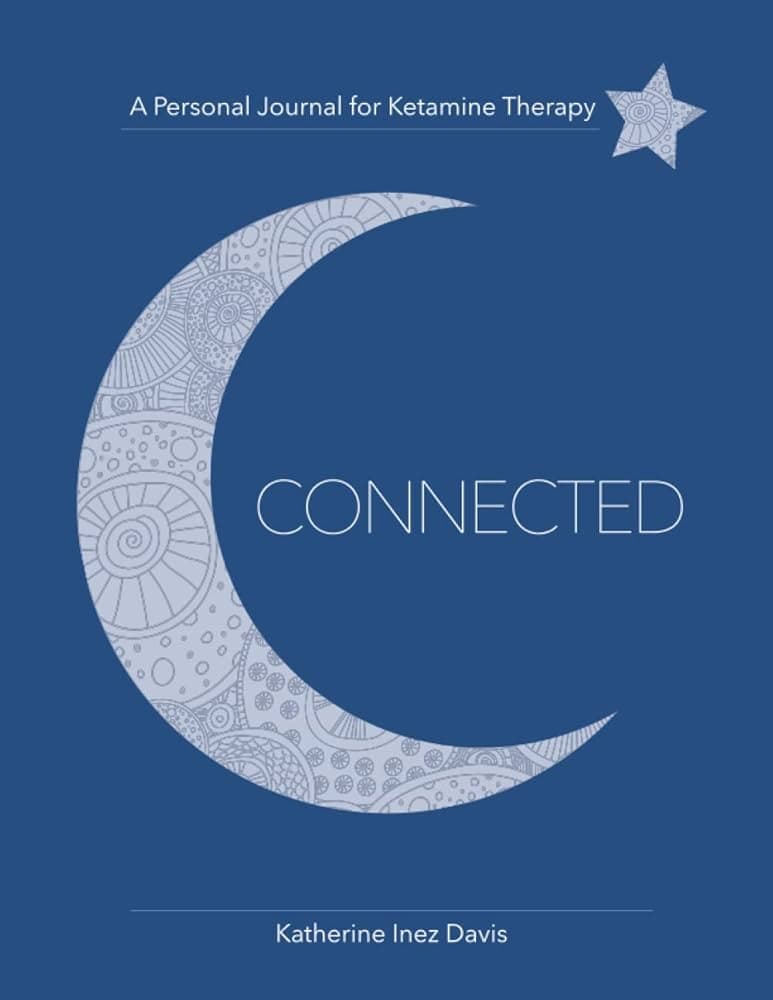
by Katherine Inez Davis
Enhance your ketamine therapy journey with a guided journal designed to support preparation, reflection, and integration. Process insights, track progress, and turn meaningful experiences into lasting personal growth.
View Product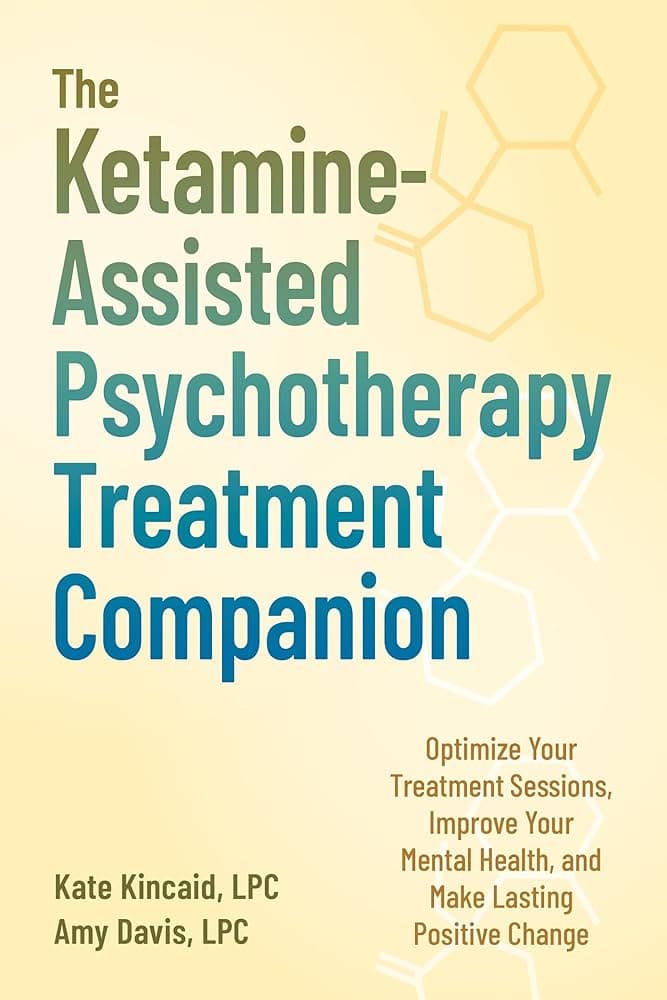
by Kate Kincaid LPC & Amy Davis LPC
Make the most of ketamine-assisted psychotherapy with this practical guide. Learn how to prepare for treatment, set meaningful intentions, integrate insights, and support lasting improvements in your mental health.
View Product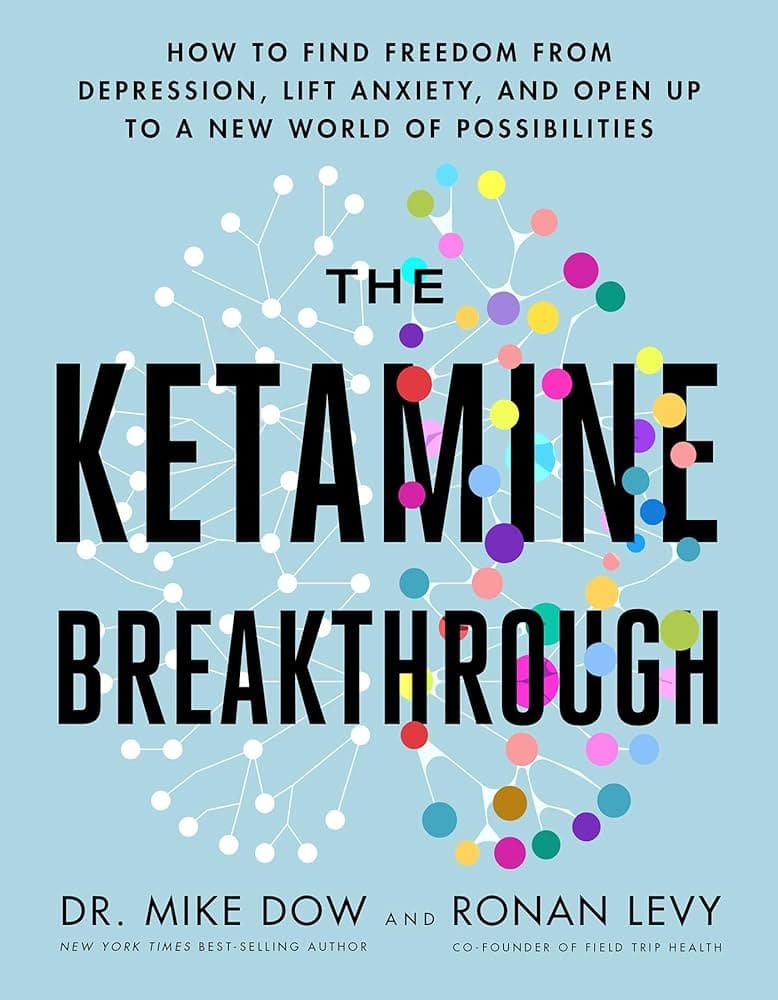
by Dr. Mike Dow & Ronan Levy
Discover how ketamine-assisted psychotherapy may help with depression, anxiety, PTSD, and more. This practical guide explains the science, treatment process, and integration strategies for patients and clinicians alike.
View ProductSome links are affiliate links. We may earn a commission at no extra cost to you.
Sources
- 1.What Is Ketamine Therapy? — Cleveland Clinic, Cleveland Clinic, 2023 (page last reviewed varies by section)
- 2.Ketamine as a therapeutic agent in major depressive disorder and posttraumatic stress disorder: Potential medicinal and deleterious effects — Sachdeva B, Sachdeva P, Ghosh S, Ahmad F, Sinha JK, iBrain, 2023
- 3.Ketamine's Mechanism of Action: A Path to Rapid-Acting Antidepressants — Abdallah CG, Adams TG, Kelmendi B, Esterlis I, Sanacora G, Krystal JH, Depression and Anxiety, 2016
- 4.Ketamine for the treatment of mental health and substance use disorders: Comprehensive systematic review — Walsh Z, Mollaahmetoglu OM, Rootman J, et al., BJPsych Open, 2022
- 5.Ketamine for treatment-resistant obsessive-compulsive disorder: Double-blind active-controlled crossover study — Beaglehole B, Glue P, Neehoff S, et al., Journal of Psychopharmacology, 2025
- 6.A qualitative study of patients' experience of ketamine treatment for depression: The ‘Ketamine and Me’ project — Griffiths C, Walker K, Reid I, Maravic da Silva K, O'Neill-Kerr A, Journal of Affective Disorders Reports, 2021
- 7.Ketamine for treatment-resistant depression: When and where is it safe? — Harvard Health Publishing, Harvard Health Publishing, 2022
- 8.Ketamine Side Effects — American Addiction Centers, American Addiction Centers, (n.d. / page updated over time)
- 9.Antidepressant effects of ketamine in depressed patients — Berman RM, Cappiello A, Anand A, et al., Biological Psychiatry, 2000
- 10.Ketamine and the Future of Rapid-Acting Antidepressants — Riggs LM, Gould TD, Annual Review of Clinical Psychology, 2021
- 11.Ketamine TRD — Oxford Health NHS Foundation Trust, Oxford Health NHS, (n.d. / ongoing clinical page)
Related articles

EMDR Therapy: How It Works, Benefits, Effectiveness, Risks and What to Expect
Jun 23, 2026 · 13 min read

Adverse Childhood Experiences (ACEs): Prevalence, Long-Term Outcomes, and Evidence-Based Interventions
Jun 26, 2026 · 8 min read

Mentalization-Based Therapy (MBT): What It Is, How It Works, and Who It Helps
Jul 2, 2026 · 9 min read