What Are Racetams? Benefits, Uses, Types & Side Effects Explained
Racetams are a class of nootropics studied for their potential effects on memory, learning, focus, and cognitive function. This guide explores how racetams work, their benefits, safety, common types, and what current research says.

How Racetams Work
Racetams are believed to enhance cognitive function by influencing the way neurons communicate rather than acting as traditional stimulants. Unlike caffeine or amphetamine-based medications, racetams do not directly increase central nervous system activity. Instead, they appear to modulate neurotransmitter systems involved in learning, memory, attention, and neuroplasticity.[1][2] Although researchers have studied racetams for decades, their precise mechanisms of action remain incompletely understood. Different racetams appear to affect the brain in slightly different ways, but most evidence suggests they primarily influence glutamatergic and cholinergic neurotransmission while also supporting neuronal membrane function.[1][3]
Modulating Acetylcholine
One of the best-studied actions of racetams is their interaction with the cholinergic system. Acetylcholine is a neurotransmitter essential for learning, memory formation, attention, and information processing. Several racetams appear to increase the sensitivity or efficiency of acetylcholine receptors rather than directly increasing acetylcholine levels themselves.[1] Piracetam, for example, has been shown to enhance cholinergic neurotransmission in animal models, while studies combining piracetam with choline supplementation demonstrated greater improvements in memory than either intervention alone.[4] This interaction is one reason many nootropic users combine racetams with choline supplements such as Alpha-GPC or CDP-Choline. The rationale is that providing additional choline may help support acetylcholine synthesis while reducing the headaches that some users report when taking racetams alone. However, high-quality human evidence supporting this practice remains limited.[4]
Effects on Glutamate Receptors
Many racetams also interact with glutamate receptors, particularly AMPA and NMDA receptors. Glutamate is the brain's primary excitatory neurotransmitter and plays a central role in learning, memory formation, and synaptic plasticity. Aniracetam, oxiracetam, and several newer racetams function as positive allosteric modulators of AMPA receptors, meaning they enhance receptor responsiveness without directly activating them.[5] Increasing AMPA receptor activity may strengthen synaptic transmission, potentially improving learning efficiency and information processing. Researchers believe this modulation contributes to:
Faster communication between neurons
Improved long-term potentiation (LTP), the cellular process underlying memory formation
Enhanced neuroplasticity
Better cognitive flexibility[5] Because glutamate signaling is tightly regulated, researchers continue investigating how these effects translate into real-world cognitive improvements in humans.
Improving Neuronal Membrane Function
One of piracetam's earliest proposed mechanisms involved improving the physical properties of neuronal cell membranes. Brain cells rely on flexible, healthy membranes for efficient signaling. Aging and certain neurological disorders may reduce membrane fluidity, impairing communication between neurons. Laboratory studies suggest piracetam may restore membrane fluidity by interacting with phospholipid layers surrounding neurons.[2] Improved membrane function may contribute to:
More efficient neurotransmitter release
Better receptor function
Improved cellular communication
Greater resistance to metabolic stress[2] This mechanism differs from traditional neurotransmitter-focused drugs and may help explain why piracetam has been investigated in age-related cognitive disorders.
Supporting Neuroplasticity
Neuroplasticity refers to the brain's ability to reorganize, strengthen existing neural connections, and form new pathways throughout life. Several experimental studies suggest racetams may indirectly support neuroplasticity through their effects on glutamate signaling, membrane stability, and cerebral metabolism.[3][5] Although the exact biological pathways remain under investigation, improved synaptic efficiency could theoretically support:
Learning new information
Memory consolidation
Recovery following neurological injury
Adaptation to new cognitive demands
However, much of this evidence comes from laboratory and animal research, meaning the extent of these effects in healthy humans remains uncertain.[2][3]
Increased Cerebral Blood Flow and Metabolism
Some racetams may also influence brain energy utilization. Research has suggested piracetam can improve microcirculation by increasing red blood cell flexibility and reducing blood viscosity without acting as a traditional vasodilator.[2] These changes may improve oxygen and glucose delivery to brain tissue, particularly in aging individuals or those with impaired circulation. Researchers have also reported increases in cerebral metabolic activity in some neurological conditions, although findings remain inconsistent across studies.[2]
Differences Between Individual Racetams
While racetams share a common chemical backbone, each compound has distinct pharmacological properties. For example:
- Piracetam is primarily studied for memory, learning, and age-related cognitive impairment.[1]
- Aniracetam appears to have greater effects on AMPA receptors and has been investigated for potential anxiolytic properties.[5]
- Oxiracetam is generally considered more stimulating and has been studied for attention and logical reasoning.[3]
- Pramiracetam is highly potent and may exert stronger cholinergic effects than earlier racetams.[3]
- Phenylpiracetam contains an added phenyl group that increases its ability to cross the blood-brain barrier and may contribute to stimulant-like effects in some users.[6]
- Despite these differences, the clinical evidence supporting superiority of one racetam over another remains limited.
Why Mechanisms Don't Always Translate Into Better Performance
One important distinction in nootropics research is that biological activity does not automatically produce meaningful cognitive enhancement. Many racetams clearly affect neurotransmitter systems and neuronal function in laboratory studies. However, controlled human trials often show smaller or inconsistent improvements, particularly in healthy young adults.[1][3] Researchers believe several factors may explain these mixed findings:
Individual differences in baseline cognition
Differences in dosage and treatment duration
Variations between healthy participants and clinical populations
Small sample sizes in many studies
Limited long-term research
As a result, while the underlying neuroscience behind racetams is compelling, experts generally conclude that stronger clinical evidence is still needed before their cognitive-enhancing effects can be confirmed for healthy individuals.[1][3]
Types of Racetams
Although all racetams share the same core chemical structure, each compound has distinct pharmacological properties, potency, and areas of research. Some have been studied primarily for age-related cognitive decline, while others have attracted interest for their potential effects on attention, memory, learning, or mental energy. It's important to note that the amount and quality of evidence vary considerably between individual racetams.[1][2] Below are the most well-known members of the racetam family and what current research suggests about each one.
Piracetam
Piracetam was the first racetam ever developed and remains the most extensively researched. Synthesized in the 1960s by Romanian chemist Dr. Corneliu Giurgea, it later became the compound that inspired the term "nootropic." Giurgea proposed that true nootropics should enhance learning and memory while maintaining a high safety profile and causing few side effects.[1] Piracetam has been investigated for a wide range of neurological and psychiatric conditions, including cognitive decline, dementia, stroke recovery, dyslexia, cortical myoclonus, and traumatic brain injury.[2][3] Research suggests piracetam may:
Support memory formation and learning
Improve communication between neurons
Increase membrane fluidity
Enhance cholinergic neurotransmission
Improve cerebral microcirculation without significantly affecting blood pressure[2][3] Clinical evidence is strongest in older adults and patients with neurological disorders. Results in healthy individuals are considerably less consistent, with many studies finding only modest or no significant cognitive improvements.[2] Because piracetam has been studied for decades, it also has one of the best-established safety profiles among racetams.[2]
Aniracetam
Aniracetam is a fat-soluble racetam that is generally considered more potent than piracetam on a milligram-for-milligram basis. Unlike piracetam, aniracetam appears to interact more strongly with AMPA glutamate receptors, leading researchers to classify it as an ampakine-like compound. This mechanism has generated interest because AMPA receptor activity plays an important role in learning, memory, and synaptic plasticity.[4] Researchers have investigated aniracetam for:
Cognitive impairment
Memory disorders
Anxiety symptoms
Emotional regulation
Attention deficits[4] Animal studies suggest aniracetam may also influence dopamine and serotonin signaling, potentially contributing to its reported anxiolytic effects. However, robust human clinical evidence remains limited, and many claims surrounding mood enhancement come primarily from preclinical research rather than large randomized trials.[4] Because it is fat-soluble, aniracetam is typically absorbed more effectively when taken with food containing dietary fat.
Oxiracetam
Oxiracetam is another derivative of piracetam that has been studied for its potential cognitive-enhancing effects. Compared with piracetam, oxiracetam is generally regarded as having more stimulating properties. Laboratory studies suggest it may influence both cholinergic and glutamatergic neurotransmission while improving neuronal energy metabolism.[5] Research has examined oxiracetam for:
Memory performance
Logical reasoning
Learning capacity
Attention
Cognitive decline[5] Some clinical studies involving individuals with mild cognitive impairment have reported improvements in memory and intellectual function. However, evidence in healthy adults remains relatively limited, and additional high-quality research is needed before firm conclusions can be drawn.[5]
Pramiracetam
Pramiracetam is considered one of the more potent racetams currently available. Unlike several other members of the family, pramiracetam appears to exert particularly strong effects on high-affinity choline uptake within neurons, potentially increasing acetylcholine availability during periods of cognitive demand.[6] Researchers have explored its use in:
Memory disorders
Cognitive impairment after brain injury
Learning difficulties
Age-related cognitive decline[6] Some early clinical studies suggested improvements in memory among patients recovering from traumatic brain injury. However, the total body of evidence remains relatively small compared with piracetam.[6] Pramiracetam has become popular within nootropic communities, although much of its reputation exceeds the available clinical evidence.
Phenylpiracetam
Phenylpiracetam is a modified version of piracetam that contains an additional phenyl group attached to its molecular structure. This small chemical modification significantly increases its ability to cross the blood–brain barrier while also producing more noticeable stimulant-like effects than earlier racetams.[7] Research has investigated phenylpiracetam for:
Fatigue
Physical endurance
Cognitive performance
Neurological recovery
Stress resilience[7] Some studies suggest it may improve both physical and mental performance under stressful conditions, although much of the available literature originates from relatively small or older studies. Because of its potential performance-enhancing effects, phenylpiracetam has been prohibited by the World Anti-Doping Agency (WADA) for use during athletic competition.[7]
Noopept
Although commonly grouped alongside racetams, Noopept is technically not a true racetam because it lacks the characteristic pyrrolidone ring found in the racetam family. However, it is frequently discussed alongside racetams because it produces similar proposed cognitive effects and may influence many of the same neurotransmitter systems.[8] Research suggests Noopept may:
Increase brain-derived neurotrophic factor (BDNF)
Support nerve growth factor (NGF)
Improve memory formation
Protect neurons against oxidative stress
Enhance learning in experimental models[8] Human evidence remains relatively limited, and much of the current understanding comes from animal research and studies conducted in Eastern Europe.
Newer and Experimental Racetams
Researchers have synthesized numerous additional racetam derivatives over the past several decades. These include compounds such as:
Coluracetam
Fasoracetam
Nefiracetam
Levetiracetam
Brivaracetam
While some of these compounds have been investigated as potential nootropics, others have been developed as prescription medications for neurological disorders such as epilepsy rather than cognitive enhancement.[3] For example, levetiracetam and brivaracetam are approved antiepileptic medications that share structural similarities with piracetam but have very different clinical applications.[3] Many experimental racetams remain poorly studied in healthy humans, making it difficult to determine their effectiveness or long-term safety. Which Racetam Has the Most Evidence? Among all racetams, piracetam remains the best studied by a considerable margin. It has been investigated in hundreds of clinical studies across several decades and possesses the largest body of safety data.[2] However, even for piracetam, evidence supporting cognitive enhancement in healthy individuals remains mixed. The strongest findings continue to come from studies involving older adults or patients with neurological disorders rather than healthy young people.[2][3] For newer racetams such as phenylpiracetam, pramiracetam, and aniracetam, the available evidence is considerably smaller. While early findings are promising in some areas, larger, well-designed clinical trials are still needed to determine whether these compounds produce meaningful cognitive benefits outside of specific medical conditions.[4][5][6][7]
Potential Benefits of Racetams
Racetams have been studied for decades as potential cognitive enhancers, particularly in people with neurological disorders and age-related cognitive decline. While the evidence is stronger for certain medical conditions than for healthy individuals, research suggests racetams may influence several aspects of brain function, including memory, learning, attention, and neuroprotection.[1][2] It's important to distinguish between established findings and popular claims. Many benefits promoted online are based on animal studies, small clinical trials, or anecdotal reports rather than large, high-quality randomized controlled studies.
Memory Enhancement
Memory is the area where racetams have received the greatest scientific attention. Piracetam was originally developed to improve learning and memory, and numerous studies have investigated its effects in patients with cognitive impairment, dementia, traumatic brain injury, and other neurological disorders.[2] Research suggests racetams may improve memory by:
Enhancing cholinergic neurotransmission
Supporting long-term potentiation (LTP)
Improving communication between neurons
Increasing neuronal membrane fluidity[2][3] Several clinical trials involving older adults have reported improvements in memory performance, recall, and overall cognitive function. However, results among healthy young adults have been much less consistent, with many studies showing only modest or statistically insignificant improvements.[2] Current evidence suggests racetams are more likely to benefit individuals with existing cognitive impairment than people whose cognitive function is already normal.[2][3]
Learning and Cognitive Performance
Because acetylcholine and glutamate are central to learning processes, researchers have explored whether racetams can improve the brain's ability to acquire and retain new information. Experimental studies suggest racetams may support:
Faster information processing
Improved learning efficiency
Better retention of newly acquired information
Enhanced cognitive flexibility[3] Some human studies have reported improvements in certain learning tasks, particularly among older adults and individuals recovering from neurological injury.[2] However, systematic reviews generally conclude that evidence in healthy populations remains insufficient to confirm meaningful improvements in academic performance or intelligence.[2]
Attention and Focus
Several racetams have been investigated for their potential effects on attention and concentration. Unlike stimulant medications used for attention-deficit disorders, racetams do not appear to directly increase dopamine or norepinephrine to the same extent. Instead, any improvements in attention are believed to result from more efficient neuronal communication and enhanced cholinergic function.[3] Users often report:
Better concentration
Improved mental clarity
Reduced mental fatigue
Easier sustained attention
While these subjective reports are common within nootropic communities, controlled clinical studies have produced mixed results, particularly in healthy adults.[2][3] Researchers continue to investigate whether certain racetams may benefit attention in individuals with neurological disorders or age-related cognitive decline.
Neuroprotection
One of the more promising areas of racetam research involves neuroprotection. Laboratory and animal studies suggest piracetam may help protect neurons by:
Improving membrane stability
Reducing oxidative stress
Supporting mitochondrial function
Enhancing cerebral metabolism
Improving oxygen utilization within brain tissue[2] Researchers have investigated these mechanisms in conditions including:
Stroke
Traumatic brain injury
Alzheimer's disease
Vascular dementia
Cerebral ischemia[2][4] Although preclinical findings are encouraging, translating these protective effects into meaningful clinical outcomes has proven more challenging, and additional human research remains necessary.
Cognitive Decline and Dementia
Perhaps the strongest clinical evidence for racetams comes from studies involving cognitive decline. Piracetam has been investigated extensively in patients with:
Alzheimer's disease
Vascular dementia
Age-related memory impairment
Mild cognitive impairment[2] Some studies have reported improvements in:
Memory
Attention
Daily functioning
Overall cognitive assessment scores
However, systematic reviews generally conclude that while some patients appear to benefit, evidence remains inconsistent, and racetams are not considered first-line treatments for dementia in most current clinical guidelines.[2] Newer compounds continue to be investigated, but more high-quality randomized trials are needed before routine clinical recommendations can be made.
Recovery After Brain Injury
Researchers have also explored racetams for neurological rehabilitation. Some studies suggest piracetam and pramiracetam may support cognitive recovery following:
Traumatic brain injury
Stroke
Hypoxic brain injury
Certain neurosurgical procedures[4][5] Potential improvements include:
Memory recovery
Attention
Verbal learning
Mental processing speed
However, evidence varies considerably between studies, and treatment protocols remain inconsistent.
Mood and Anxiety
Certain racetams, particularly aniracetam, have attracted attention because of their potential effects on mood. Animal studies suggest aniracetam may influence dopamine and serotonin pathways involved in emotional regulation.[6] Researchers have proposed that this may contribute to:
Reduced anxiety-like behavior
Improved emotional resilience
Better stress tolerance
Human evidence, however, remains limited. While some small studies report improvements in anxiety symptoms, larger clinical trials are needed before these effects can be confirmed.[6]
Physical and Mental Fatigue
Phenylpiracetam has been studied for its potential to reduce fatigue while improving both physical and cognitive performance under stressful conditions. Early research suggests it may:
Increase resistance to fatigue
Improve mental endurance
Enhance physical performance
Maintain cognitive function during stress[7] These findings contributed to its eventual prohibition by the World Anti-Doping Agency (WADA) for competitive athletes.[7] Nevertheless, much of the available evidence comes from relatively small studies, meaning further research is still required.
What Does the Overall Evidence Say? After more than five decades of research, racetams remain scientifically interesting but somewhat controversial. The strongest evidence supports their use in specific neurological disorders and age-related cognitive decline rather than as universal cognitive enhancers for healthy people.[2] Researchers generally agree that:
- Some racetams demonstrate measurable biological effects in the brain.
- Certain clinical populations may experience meaningful cognitive improvements.
- Evidence for healthy adults is considerably weaker.
- Many studies are small, older, or methodologically limited.
- Larger randomized controlled trials are needed to clarify which racetams work best, at what doses, and for which individuals.[2][3]
- For this reason, racetams should be viewed as promising compounds with evolving evidence rather than proven "smart drugs" capable of dramatically increasing intelligence or cognitive performance.
Racetam Dosage
There is no universally accepted dosage guideline for racetams. Recommended amounts vary depending on the specific compound, the condition being treated, and whether it is being used in a clinical or research setting. Most racetams have been studied using a wide range of doses, making direct comparisons between compounds difficult.[1][2] In general, researchers recommend following dosages that have been evaluated in human studies rather than relying on anecdotal recommendations found online.
Piracetam
Piracetam is typically studied at much higher doses than most other racetams because it has relatively low potency. Clinical studies have commonly used:
2,400–4,800 mg per day for cognitive disorders
Sometimes divided into two or three daily doses
Higher doses have been used in certain neurological conditions under medical supervision[2] Because piracetam has a relatively short half-life, splitting the daily dose may help maintain more consistent blood levels.
Aniracetam
Aniracetam is considerably more potent than piracetam and is fat-soluble, meaning it is generally absorbed more effectively when taken with meals containing dietary fat.[3] Research commonly uses:
750–1,500 mg per day
Usually divided into two doses
Because of its relatively short duration of action, some users prefer morning and early afternoon dosing.
Oxiracetam
Oxiracetam is often studied at:
800–2,400 mg per day
Usually divided into two daily doses
Its more stimulating profile leads many users to avoid taking it late in the evening to reduce the possibility of sleep disruption.[4]
Pramiracetam
Pramiracetam is substantially more potent than piracetam. Clinical studies have commonly investigated:
400–1,200 mg per day
Often divided into two doses
Like aniracetam, pramiracetam is fat-soluble and may be better absorbed when taken with food containing healthy fats.[5]
Phenylpiracetam
Phenylpiracetam is among the most potent racetams and generally requires much smaller doses. Research has commonly examined:
100–300 mg per day
Often taken once or twice daily
Because phenylpiracetam may produce mild stimulating effects, many users take it earlier in the day.[6]
Should Racetams Be Taken With Choline? One of the most common practices among experienced nootropic users is combining racetams with a choline source such as Alpha-GPC or CDP-Choline. The reasoning comes from the fact that several racetams appear to increase cholinergic activity. Some users report headaches when taking racetams alone, leading to the theory that increasing choline intake may support acetylcholine synthesis and reduce these symptoms.[7] Animal research has demonstrated that combining piracetam with choline produced greater improvements in memory than either compound alone.[7] However, human evidence supporting routine choline supplementation alongside racetams remains limited. While many users report subjective benefits, clinical trials have not definitively established that everyone taking racetams requires additional choline.
How Long Does It Take Racetams to Work? The onset of effects varies depending on the specific racetam and the outcome being measured. Some users report noticing subjective improvements within a few hours of taking faster-acting compounds such as phenylpiracetam or aniracetam. However, many clinical studies evaluating cognitive disorders administered racetams continuously for several weeks before measuring cognitive outcomes.[2] Potential timelines include:
- Hours: Some users report increased mental clarity or alertness with certain racetams.
- Several days: Initial adaptation may occur for some individuals.
- Several weeks: Most clinical studies evaluate cognitive improvements after sustained use rather than single doses.[2]
- This difference partly explains why anecdotal reports often differ from published research.
How Long Do the Effects Last? Duration depends on the specific compound. For example:
- Piracetam: approximately 4–6 hours
- Aniracetam: around 1–3 hours
- Oxiracetam: roughly 8 hours
- Pramiracetam: approximately 5–7 hours
- Phenylpiracetam: commonly 3–6 hours, although subjective effects may persist longer[3][4][5][6]
- Because half-lives vary, dosing schedules differ between compounds.
Can You Take Racetams Every Day? Many clinical studies have administered racetams daily for weeks or months without serious safety concerns, particularly piracetam.[2] However, there is relatively little research examining continuous use over many years in healthy adults. Researchers continue investigating questions such as:
Whether tolerance develops
Long-term effects on cognition
Optimal treatment duration
Which patient populations benefit most
Because long-term evidence remains incomplete, prolonged daily use should ideally be discussed with a qualified healthcare professional.
Factors That Influence Dosage
The most appropriate dosage may depend on several factors, including:
The specific racetam being used
Age
Body weight
Kidney function
Overall health
Whether the individual has an underlying neurological condition
Use of other medications or supplements
People with impaired kidney function should be particularly cautious, as several racetams are eliminated primarily through the kidneys and may accumulate if renal function is reduced.[2]
Practical Takeaways
Although dosage recommendations are widely shared within nootropic communities, the strongest guidance continues to come from published clinical research. Current evidence suggests:
- Different racetams require substantially different doses.
- Higher doses do not necessarily produce better cognitive outcomes.
- Many clinical studies used daily dosing over several weeks rather than single administrations.
- Combining racetams with choline may benefit some individuals, but human evidence remains limited.
- Long-term optimal dosing strategies have not yet been fully established.[2][7]
- For anyone considering racetams, using evidence-based dosages and avoiding unnecessarily high amounts is likely to provide the best balance between potential benefits and safety while further research continues to clarify their long-term effects.
Frequently asked questions
- What are racetams?
Racetams are a family of synthetic compounds that share a common chemical structure known as a pyrrolidone ring. They are commonly classified as nootropics because they have been studied for their potential effects on learning, memory, attention, and cognitive function. The first racetam, piracetam, was developed in the 1960s and inspired the term "nootropic." While some racetams are used as prescription medications in certain countries, others are sold for research purposes or as nootropic supplements depending on local regulations.
- How do racetams work?
Racetams appear to work by improving communication between neurons rather than acting as traditional stimulants. Research suggests they primarily influence acetylcholine and glutamate neurotransmission, support neuronal membrane function, and may promote neuroplasticity. Some racetams also appear to improve cerebral metabolism and microcirculation. Although these biological effects are well documented, researchers still do not fully understand their precise mechanisms of action.
- What is the strongest racetam?
"Strongest" depends on what you're measuring. In terms of potency by dose, phenylpiracetam and pramiracetam are generally considered much more potent than piracetam because they require significantly smaller doses. Phenylpiracetam is also known for producing more noticeable stimulant-like effects due to its enhanced ability to cross the blood-brain barrier. However, greater potency does not necessarily translate into greater cognitive benefits, and there is less clinical evidence supporting newer racetams than piracetam.
- Which racetam is best for memory?
Piracetam has the strongest body of clinical evidence for memory support, particularly in older adults and individuals with cognitive impairment. Pramiracetam has also shown promising results in small studies involving memory disorders and brain injury recovery. For healthy adults, however, current evidence does not clearly demonstrate that any racetam consistently improves memory.
- Which racetam is best for focus?
Oxiracetam and phenylpiracetam are generally regarded as the racetams most associated with improved attention and focus. Oxiracetam has been studied for attention, learning, and logical reasoning, while phenylpiracetam may help reduce fatigue and maintain mental performance under stressful conditions. Despite these findings, controlled studies in healthy individuals remain limited.
- Are racetams safe?
Piracetam has one of the best-established safety profiles among racetams and has been studied in clinical research for decades. Overall, racetams are generally well tolerated in research settings, but long-term safety data in healthy individuals remain limited. Because many racetams are eliminated through the kidneys, people with impaired kidney function should exercise particular caution and consult a healthcare professional before use.
- Are racetams legal?
The legal status of racetams varies widely between countries. Some racetams are available as prescription medications in certain regions, while others are sold only for research purposes or are not approved for medical use. Phenylpiracetam is also prohibited by the World Anti-Doping Agency (WADA) for use during competitive sports because of its potential performance-enhancing effects.
- Do racetams really work?
Research suggests that racetams produce measurable biological effects in the brain, including changes in neurotransmitter activity and neuronal function. However, these effects do not always translate into meaningful improvements in cognition. The strongest evidence supports their use in older adults and people with neurological disorders. In healthy young adults, studies often report small, inconsistent, or statistically insignificant cognitive benefits.
- Can you take racetams every day?
Many clinical studies have administered racetams daily for weeks or months without major safety concerns, particularly piracetam. However, relatively little research has examined continuous daily use over many years in healthy adults. Questions surrounding tolerance, optimal treatment duration, and long-term cognitive effects remain under investigation.
- Should you take choline with racetams?
Many nootropic users combine racetams with choline sources such as Alpha-GPC or CDP-Choline because racetams appear to increase cholinergic activity. Some users report that choline reduces headaches associated with racetam use, and animal studies suggest combining piracetam with choline may improve memory more than either intervention alone. However, high-quality human evidence supporting routine choline supplementation remains limited.
- What's the difference between piracetam and aniracetam?
Piracetam is the oldest and most extensively studied racetam, with the strongest clinical evidence and a well-established safety profile. It has primarily been investigated for memory, learning, and age-related cognitive impairment.
Aniracetam is more potent on a milligram-for-milligram basis, is fat-soluble, and interacts more strongly with AMPA glutamate receptors. It has also been investigated for anxiety symptoms and emotional regulation, although evidence supporting these effects remains limited compared with piracetam.
- Are racetams addictive?
Current research does not suggest that racetams produce the addictive properties commonly associated with stimulant medications or recreational drugs. They do not appear to directly stimulate dopamine reward pathways in the same way as amphetamine-based substances. However, long-term studies specifically evaluating dependence potential remain limited.
- How long do racetams take to work?
The onset depends on the specific racetam and the effect being measured. Some users report subjective improvements in mental clarity within a few hours of taking compounds such as phenylpiracetam or aniracetam. However, most clinical studies evaluating cognitive disorders measured outcomes after several weeks of continuous use rather than after a single dose.
- What are the side effects of racetams?
Racetams are generally considered well tolerated in clinical studies, particularly piracetam. Some users report headaches, which are one reason choline supplementation is commonly discussed within nootropic communities. Because long-term research remains limited, the complete side-effect profile for many newer racetams has not been fully established. Individuals with kidney disease should be particularly cautious because several racetams are primarily eliminated through the kidneys.
- Can racetams improve intelligence?
Current evidence does not support the idea that racetams increase intelligence or IQ in healthy individuals. While they may influence biological processes involved in learning and memory, controlled human studies have generally found only modest or inconsistent improvements in cognitive performance. Researchers emphasize that measurable biological activity does not automatically translate into meaningful cognitive enhancement.
- Can you stack racetams with caffeine?
Some people choose to combine racetams with caffeine because the two compounds work through different mechanisms. However, there is limited clinical research evaluating the effectiveness or safety of this combination. Most available information comes from anecdotal reports rather than controlled human trials, so no evidence-based recommendations can currently be made.
- Who should avoid racetams?
People with impaired kidney function should exercise caution because several racetams are primarily eliminated through the kidneys. Individuals taking prescription medications, those with underlying neurological or medical conditions, and anyone who is pregnant or breastfeeding should consult a qualified healthcare professional before using racetams, as high-quality safety data for these populations remain limited.
- Are racetams prescription drugs or supplements?
This depends on the specific racetam and the country. Some racetams are approved prescription medications for neurological conditions in certain regions, while others are not approved for medical use and may be sold for research purposes. They are not universally regulated as dietary supplements, so their legal classification varies by jurisdiction.
Nootropic Supplements To Improve Cognition
Nootropic supplements are compounds people use to support focus, memory, and mental energy. They range from natural extracts to lab-based ingredients, often aimed at sharpening cognition during study, work, or high-demand days.
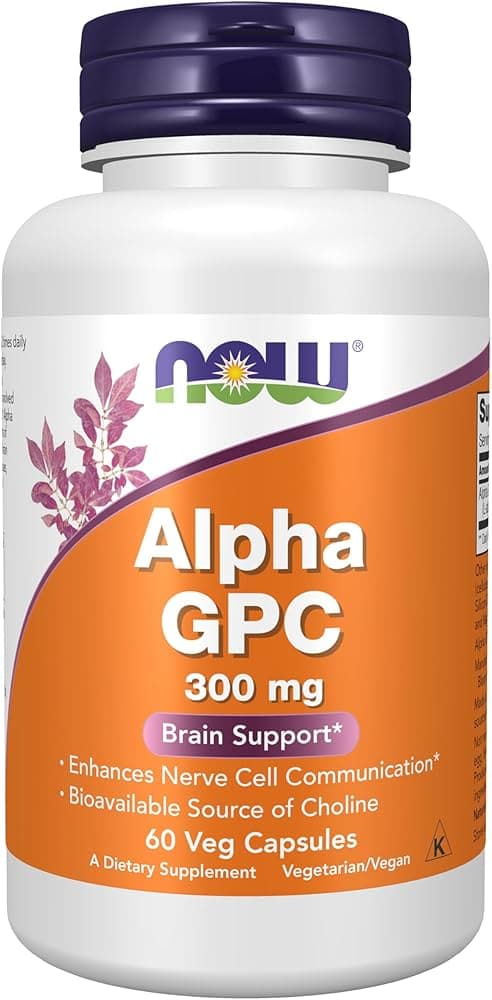
NOW Foods
Boost focus, memory, and mental performance with 300 mg Alpha GPC per capsule. Features a highly bioavailable source of choline to support cognitive function and healthy neurotransmitter production in vegan capsules.
View Product
Nature Made
Promote calm focus and everyday stress relief with 200 mg L-Theanine per chewable tablet. Helps support relaxation without drowsiness, making it ideal for work, study, or busy days in a delicious, easy-to-chew tablet.
View Product
THORNE
Support strength, power, muscle recovery, and cognitive performance with 5 g of micronized creatine monohydrate per serving. NSF Certified for Sport, easy to mix, unflavored, and ideal for athletes and active lifestyles.
View ProductSome links are affiliate links. We may earn a commission at no extra cost to you.
Sources
- 1.Piracetam: A Review of Pharmacological Properties and Clinical Uses — Bengt Winblad, CNS Drug Reviews, 2005
- 2.Piracetam and Other Structurally Related Nootropics — A.H. Gouliaev, A. Senning, Brain Research Reviews, 1994
- 3.Piracetam and Piracetam-Like Drugs: From Basic Science to Novel Clinical Applications to CNS Disorders — M. E. Müller, et al., Drugs, 2010
- 4.Positive AMPA Receptor Modulation in the Treatment of Neuropsychiatric Disorders: A Long and Winding Road — Black et al., Frontiers in Molecular Neuroscience, 2022
- 5.Cognitive Impairment and Nootropic Drugs: Mechanism of Action and Spectrum of Effects — O. S. Levin et al., Neurochemical Journal, 2023
- 6.Profound Effects of Combining Choline and Piracetam on Memory Enhancement and Cholinergic Function in Aged Rats — R. T. Bartus, R. L. Dean III, K. A. Sherman, E. Friedman, B. Beer, Neurobiology of Aging, 1981
- 7.World Anti-Doping Agency (WADA) Prohibited List — Organization: World Anti-Doping Agency (WADA), Current Edition
Related articles

Modafinil for Cognitive Enhancement: Benefits, Side Effects, Dosage, Uses, and Safety
Jun 26, 2026 · 15 min read

What Is Alpha-GPC? Benefits, Dosage, Side Effects and How It Works
Jul 5, 2026 · 8 min read

Can Nicotine Boost Your Brain? The Science, Benefits, Risks, and Research Behind Nicotine as a Nootropic
Jun 24, 2026 · 9 min read